
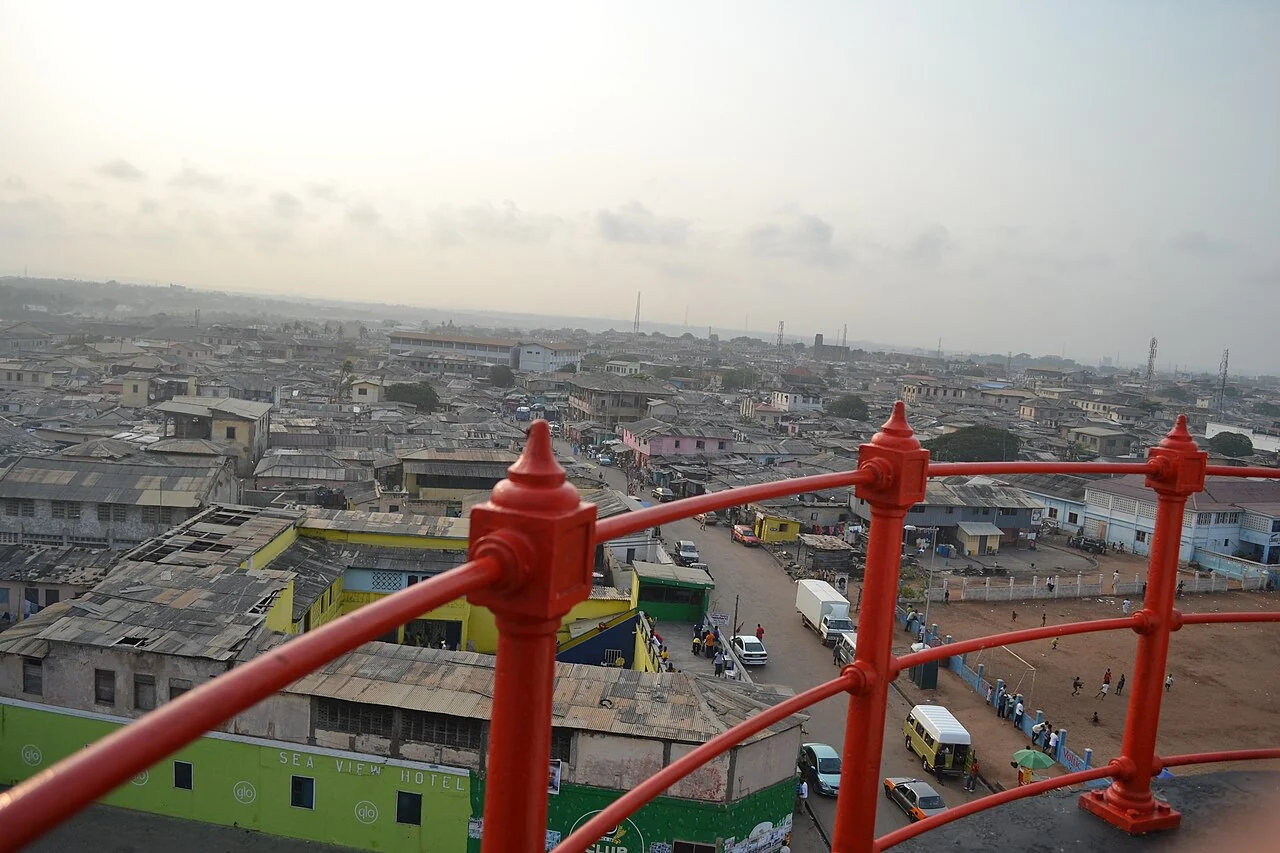
The Tatilmerkezi Stork suggests three city days in Accra: neighbourhood history with a local guide in Jamestown, the National Museum in Adabraka, and a slower Osu-area meal with a suitable coastal pause. This city guide does not retell the Ghana country itinerary through Cape Coast, Elmina, Kakum and Kumasi. A short urban stay raises a different question: which neighbourhood belongs to which day from one base, and how can a local meal receive proper time without disappearing into long transfers? Exploring a few visits more deeply can also improve a weekend added to a work trip. A sea view, a lived-in street and a museum serve different interests; each needs its own time.
Four nights and three different city days
Arrival and settling occupy the first night. Jamestown comes on the first complete day, the National Museum and nearby surroundings on the second, an Osu-area meal and appropriate coastal pause on the third, then departure the next morning. Four nights therefore contain three full visiting days. Morning arrivals can keep the first evening modest around their accommodation. A packed programme immediately after landing can disregard baggage and rest. Confirming the collector's identity, the address and the next day's meeting point provides a useful first task.
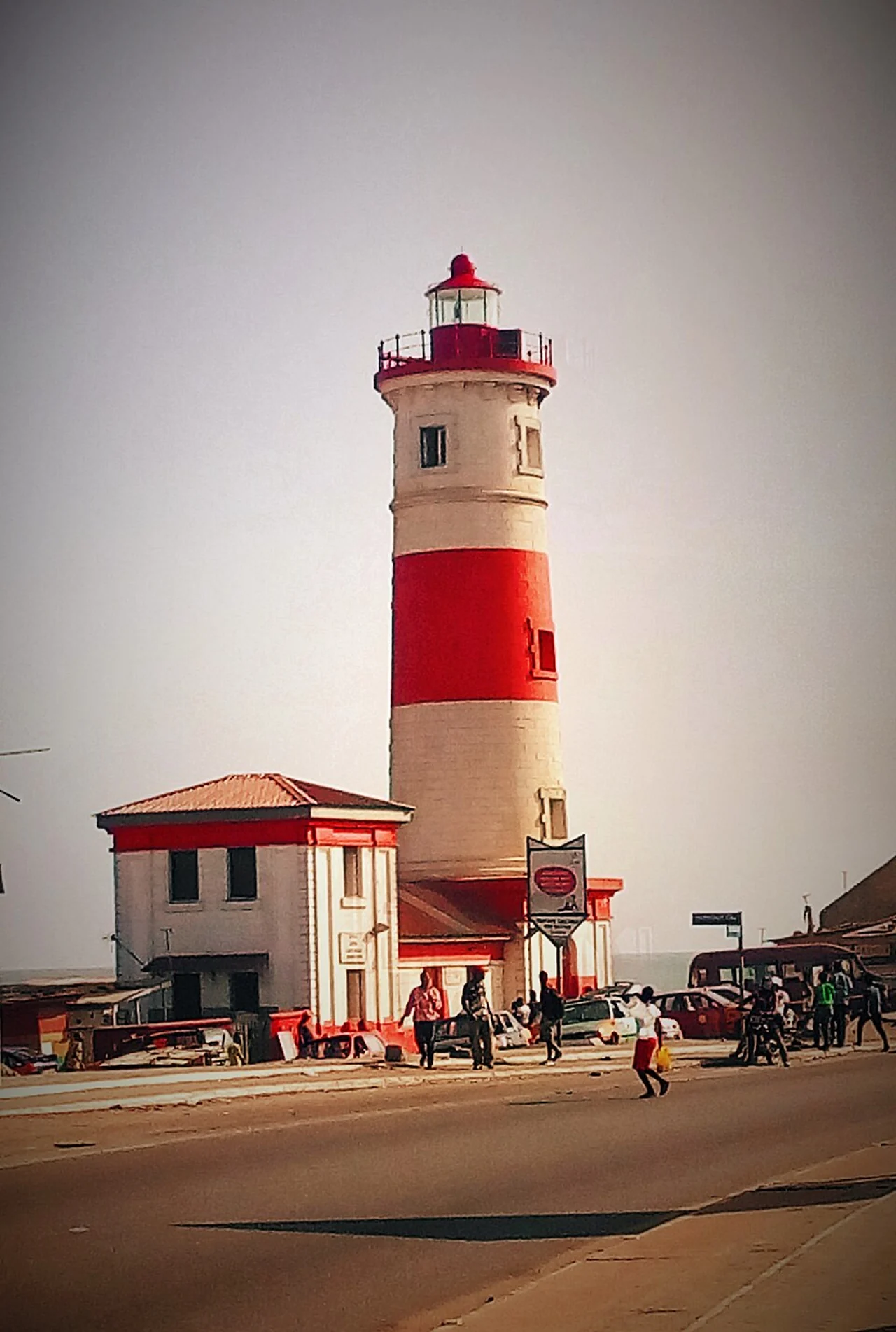

With two complete days, retain the museum and Jamestown and omit the coast day. If a meeting or family visit centres on another area, change the order accordingly. The plan does not rely on invented minute-by-minute timings: rain, traffic and institutional admission shape the actual duration. A same-day return journey to Cape Coast is not a hidden requirement of this guide. A longer coastal-history trip belongs to the separate country itinerary. Before adding another district on the final day, leave a joint margin for the airport, baggage and checkout. Reducing the programme does not mean valuing the city less.
Jamestown: history in a lived-in neighbourhood
Ghana Tourism Authority identifies Jamestown and Ushertown among the older urban areas. A short daylight route with a local guide can help explain the streets without disrupting residential life. James Fort and the lighthouse provide useful context, but access inside every structure or climbing to the top must not be assumed. Obtain authorised current visitor arrangements and photography permission beforehand. Remembering that ordinary life continues here prevents the historical visit from becoming only a collection of monuments.
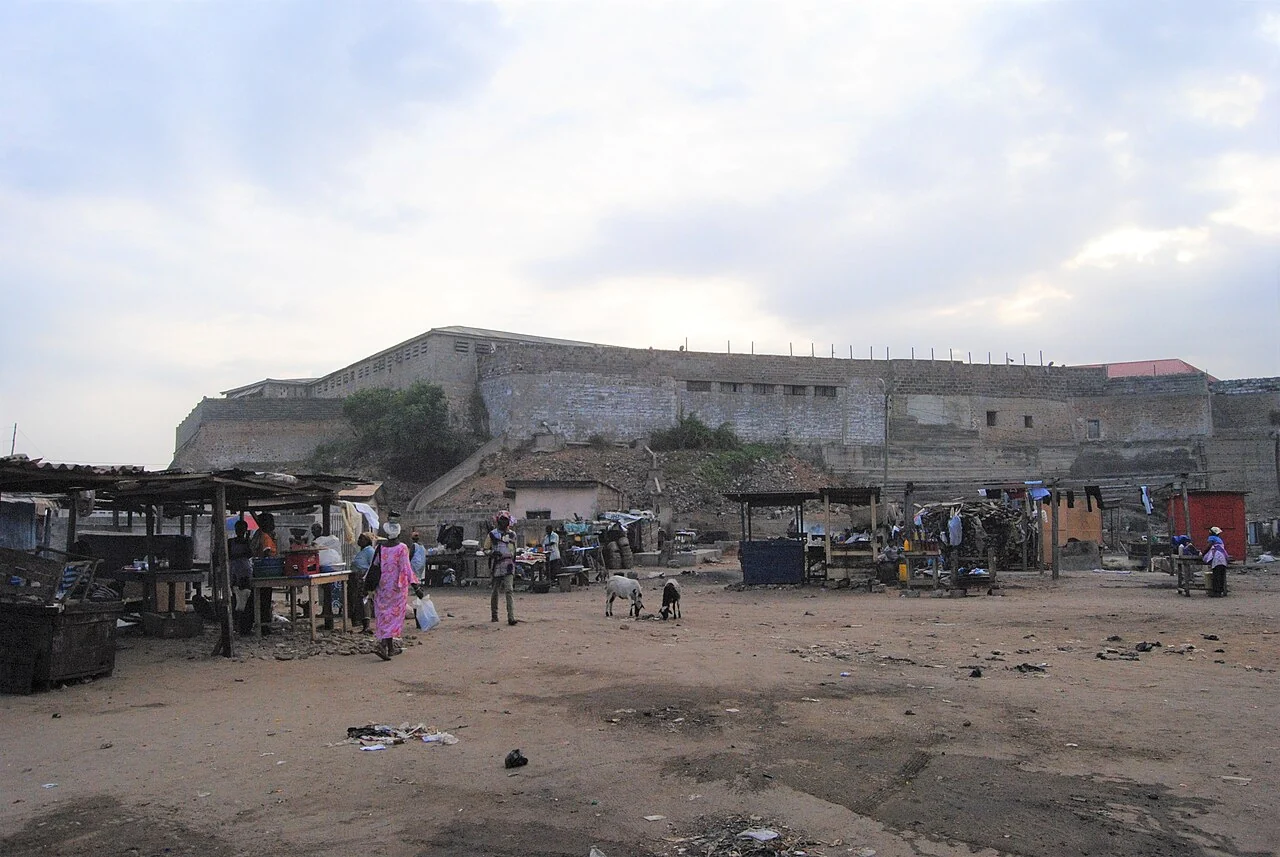

Agree the meeting point, walking length, shaded pause and return vehicle with the guide. If visiting a fishing-related area, do not enter working spaces or make close photographs without permission. Seek consent for portraits of residents and children; people should not become scenery for a search for poverty images. A narrow street does not necessarily provide easy access for every visitor, so explain needs involving steps, ground surfaces and seating. Historical photographs do not claim that a street remains unchanged today. The narrative depends on informed local interpretation and observable surroundings rather than fictional first-hand adventures.
Adabraka: a separate National Museum day
GMMB's official source gives the National Museum address as 2 Barnes Road, Adabraka. Ask the institution directly about currently accessible galleries, guided interpretation and photography rules. An older fee table is not treated as today's ticket price. Selecting a section according to cultural, archaeological or artistic interests can offer more than passing every case at identical speed. A collection record does not prove that all objects are displayed on the day. With children or mobility needs, ask separately about the suitable entrance and rest facilities.
Add lunch and a short rest nearby afterwards. A distant coastal transfer the same day is unnecessary. If a particular craft or exhibition interests you, request the current programme rather than using an old event report as an appointment. When shopping, ask about a product's material, transport requirements and purpose. Consider lawful contemporary production instead of protected objects or items of unclear provenance. The museum day leaves time to think about past and present together. Street or fort images do not represent museum objects; photographs and visiting locations retain their own identities.
An Osu base and a short coastal pause
Travellers concentrating meals or visits around Osu might consider a base there. Museum and central-city priorities may suggest comparing Adabraka or another actual address. A room close to the airport only becomes useful when daily connections also fit. Do not turn a district name into an automatic safety label. Evaluate the full address, dependable collection, backup water and power, a quiet room, stairs, nearby meals and evening return arrangements. If moving hotels within three days, establish what the baggage change genuinely gains.
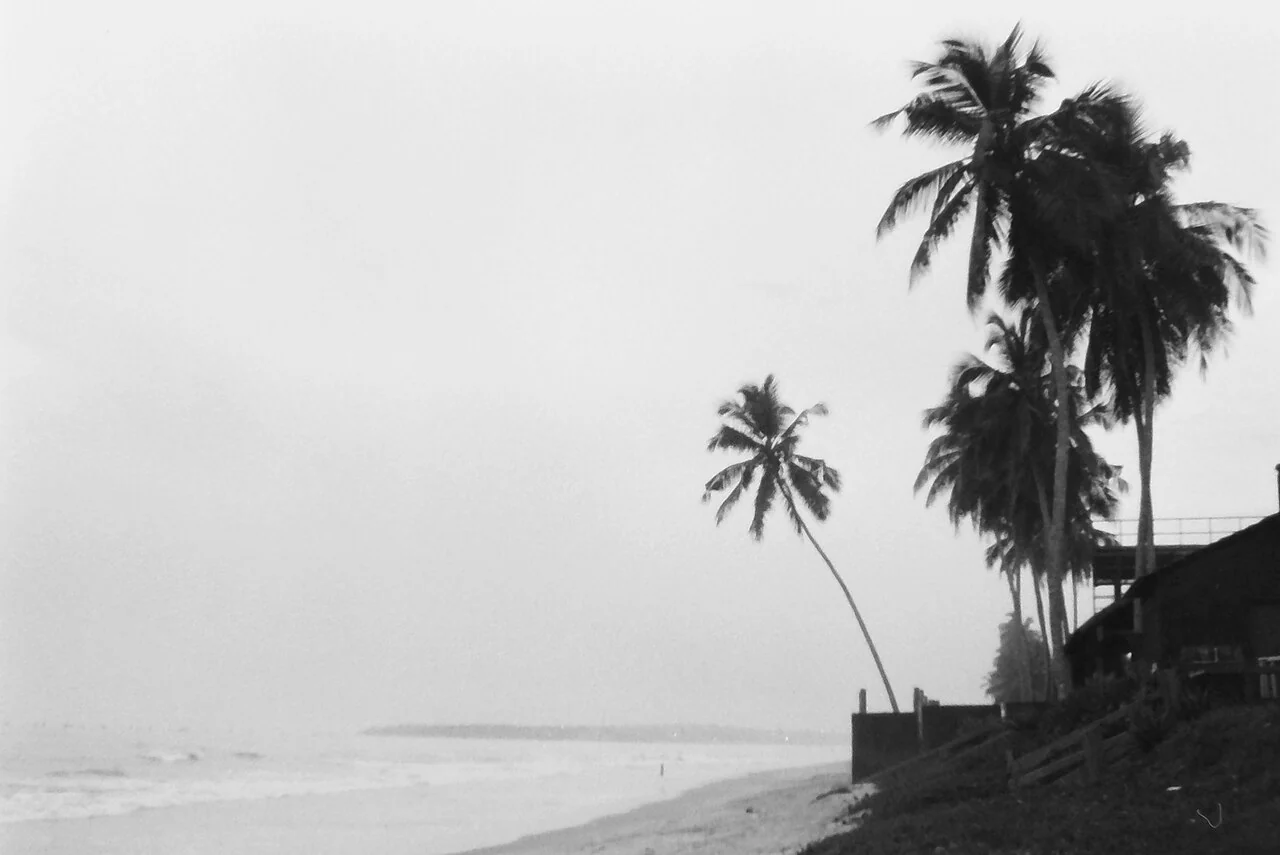

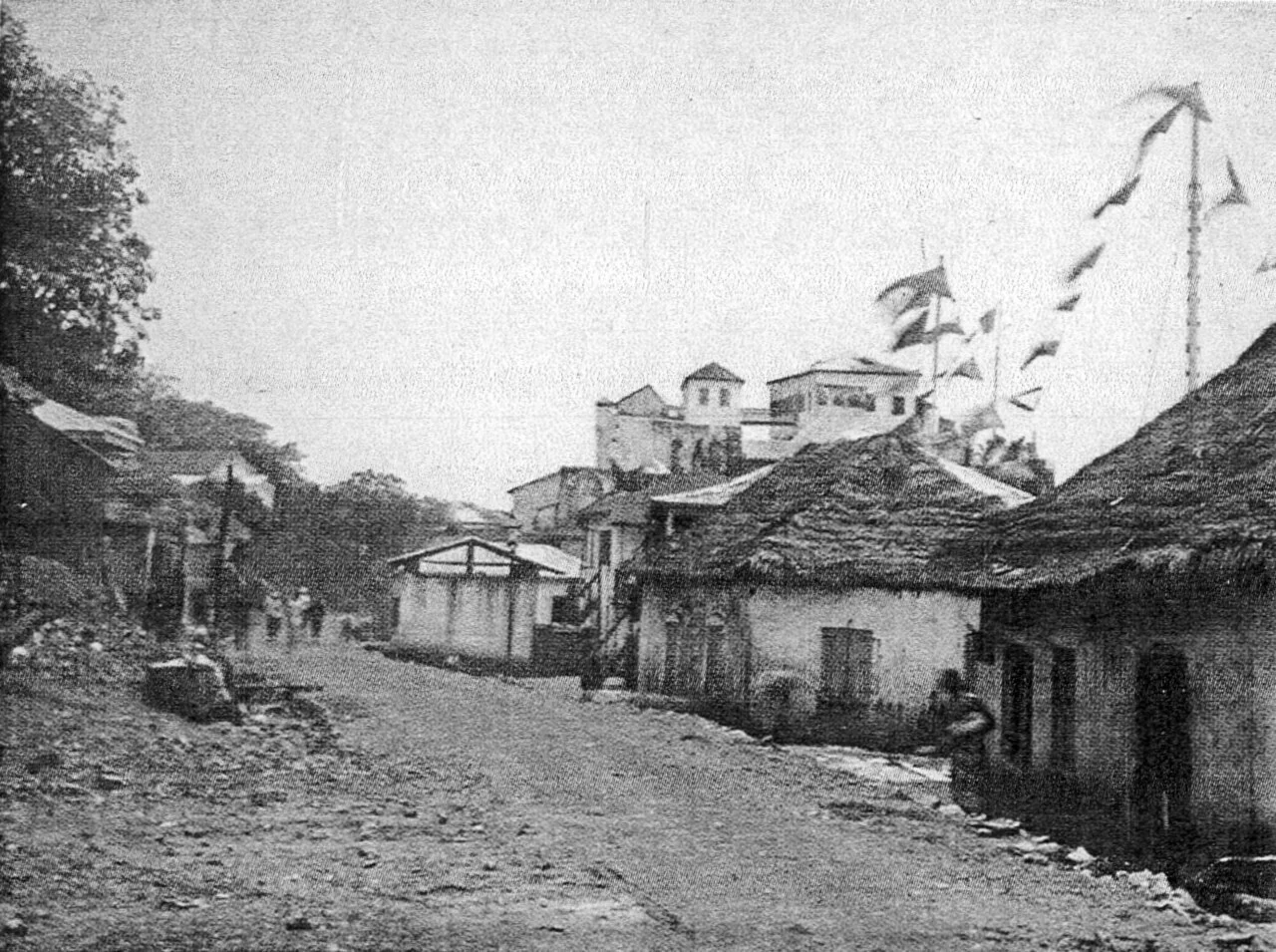

An appropriate permitted viewpoint and a nearby meal may be enough for the coast day. The Accra beach photograph proves neither a particular business's admission nor present swimming safety. Obtain authoritative local information on sea conditions and currents before treating entry to the water as compulsory. In the heat, shade, water and a suitable return vehicle can replace a lengthy walk. The Osu archive image dates from 1885–1914 and is not a current street photograph. It can help consider an earlier city form without becoming advice about today's hotels or roads. A local cultural visit whose opening has been confirmed could also fill part of the third day.
A banku and soup meal
Ghana Tourism Authority food material records banku among traditional choices paired with soups. If offered on the actual menu, this meal can provide a concrete reason to spend time at the table after exploring a neighbourhood. Ask about ingredients and accompaniments, explaining fish, chilli sauce or other allergy needs. A cultural dish name does not promise identical recipes or portions in every business. Establish the price, portion and service time before ordering. The source confirms a Ghanaian meal choice, not the current menu of a kitchen on a particular street.
On the Jamestown day, arrange food near the end of the guided route; on the museum day, take lunch in the same area; on the Osu day, choose a meal near the base. Crossing the city twice for one restaurant name can consume a short holiday. Settling breakfast and drinking water before leaving makes a late lunch more manageable. A city image is not presented as a food photograph when no plate image is available. Unhurried conversation may enrich a meal while respecting the business's actual service. No fictional tasting recollection or invented daily budget appears in this guide.
Airport connections and current conditions
GACL's official transportation source explains airport taxi provision. Verify the current collection point, vehicle, charge and baggage arrangements with the provider. For an accommodation-arranged driver, share the person's name, contact and vehicle identity in advance. Airport charging should not be assumed to price all urban visits. Obtain actual local traffic information and do not attach the flight transfer to last-minute market shopping. Confirm vehicle suitability separately for needs such as mobility access or a child seat.
FCDO advice checked on 4 October 2026 discusses precautions involving crime and demonstrations, alongside separate warnings for some northern areas. This short Accra programme does not extend into Bawku or other risky northern additions. Handle belongings discreetly in crowds and arrange a dependable vehicle for evening returns. Obtain current official entry and health documents for your passport. Leave a joint checkout, baggage and road margin on departure morning. The Stork preserves three distinct city-day rhythms: a lived-in neighbourhood, museum interpretation and a considered local meal offer an urban experience different from a rushed country tour.