
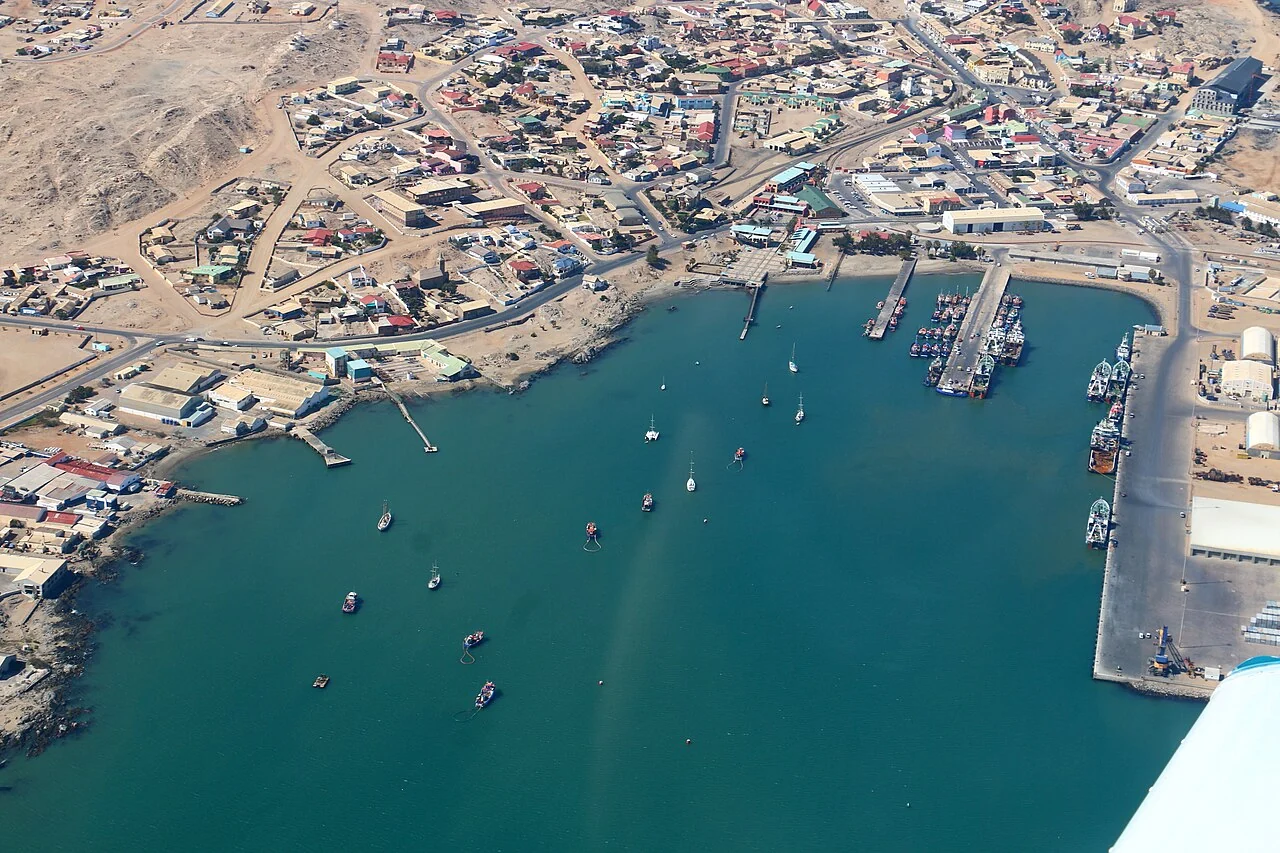
Lüderitz: maritime memory and a permitted Kolmanskop day
Tatilmerkezi Stork suggests two distinct Lüderitz days: the working coastal town’s maritime memory first, then Kolmanskop with the appropriate permit and visiting arrangements. This lets you connect port and museum on the first day and examine an abandoned settlement more carefully on the second. Three nights can leave space around two full days by separating arrival and departure. With only one day, choose the urban museum or the Kolmanskop focus rather than attempting every stop after a long journey. This guide concerns two specific cultural needs around Lüderitz, not a cross-country safari itinerary.
A quiet-looking coastal town is not universally open for exploration. Port operations, inhabited streets and visitor sites may follow different rules. Prepare the actual entrance and return connection on your first evening. If one companion tires of extensive historical interpretation, a short outdoor section and a seated pause may be enough. People can ask different questions without reducing the visit’s value. Someone interested in maritime instruments and someone studying the old settlement can find room in the same outline; there is no need to force everybody to photograph continually or enter every room.
Namibia Maritime Museum: begin with the sea’s work
The Lüderitz Waterfront operator associates the Namibia Maritime Museum with the old power station project; its address is Dias Street. Collections address maritime history, fishing and navigation. The official page links to tickets; establish your date, last admission, accessible floors and mobility arrangements before visiting. A promotional description of several floors does not guarantee identical access to each on your day.
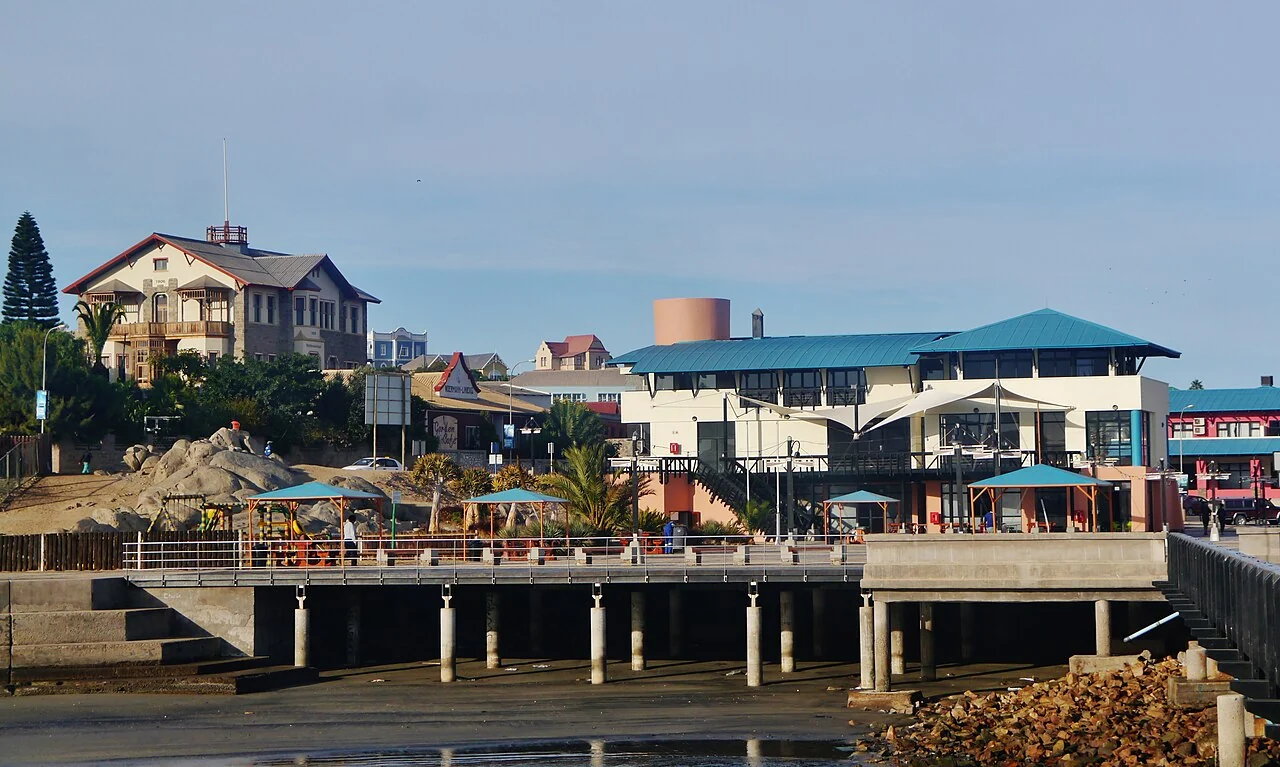

Choose a single question through a ship model, map or navigational instrument: what task did this object make easier at sea? Read the interpretation and compare it with your own suggestion. Counting details on a model can give children a better starting point than reading lengthy panels. An object’s age does not make a photograph of a display, or a modern painting alongside it, free to publish. Ask about photography rules. After leaving, establish which harbour sections can be observed from public areas; a museum ticket is not permission to enter a working site. Then move to a meal and a central pause without exhausting the group.
Kolmanskop: arrange permit, admission and return together
The Kolmanskop operator’s visitor page provides permitted admission and guided options. During research on 4 October 2026, its weekday and weekend hours did not agree with a separate daily-hours statement. This guide therefore gives no single definitive timetable: confirm your permit type, valid entry period, last admission and guided-tour language directly for your date. Photographs of abandoned buildings do not establish that the area is an unrestricted roadside stop.
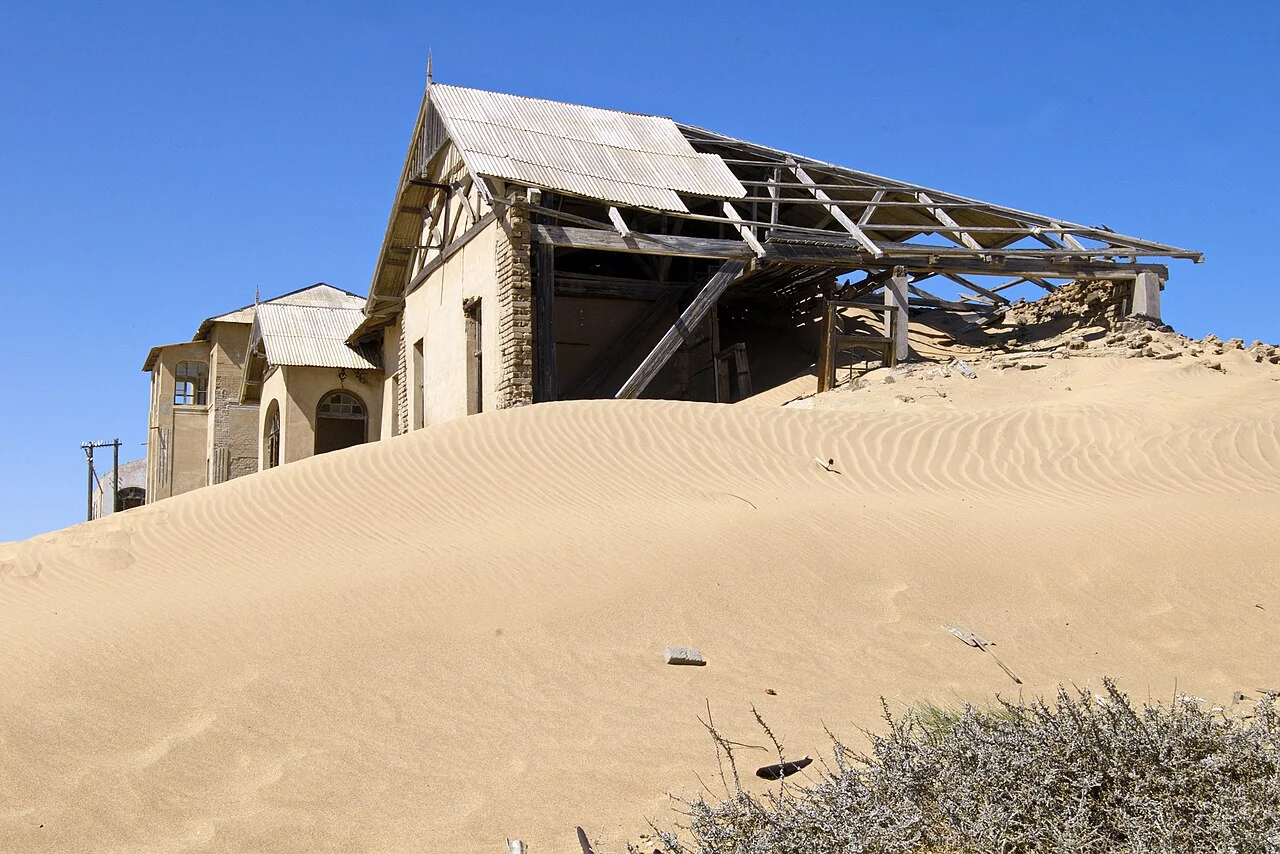

Build the second day only after its actual access arrangements are clear. Arrange the outward and return journey together; finding transport does not equal obtaining permission. Bring water, enclosed shoes and clothing suitable for wind. Follow the designated route and instructions at entry rather than guessing that ruins, stairs or roofs are safe from a distance. Do not move sand or objects for photographs. While observing a room’s colour and light, retain questions about labour, mining and abandonment. A few permitted spaces examined carefully may make a better day than attempting to finish every building.
Sand-filled rooms: return with time to recover
Kolmanskop interiors and exteriors offer different perspectives: outside, observe buildings against sand; inside, notice the changing relationship between walls and light. This is not a suggestion to rent a photographic studio. If you need professional shooting, a tripod or special hours, ask about separate operator conditions rather than assuming a normal visitor permit is sufficient. If the light disappoints, take fewer photographs from an allowed position instead of entering a closed section.
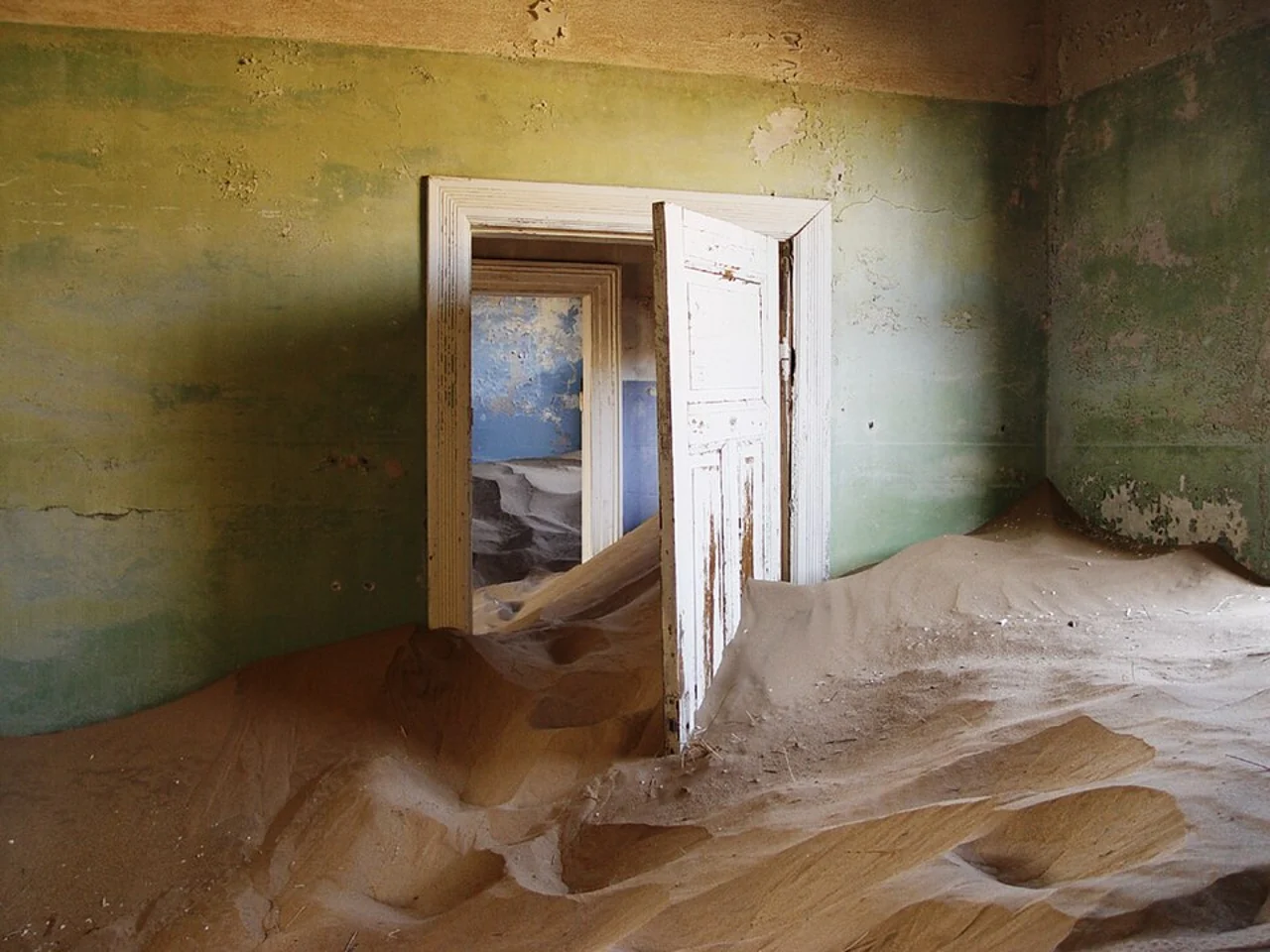

After returning to town, leave time for washing, water and a seated meal before adding further activities. With older travellers or anyone requiring mobility support, discuss ground surfaces, seating and the distance from the vehicle before departure. Shortening the programme because of wind or access difficulties is not a failure. If Kolmanskop cannot work that day, choose the urban museum and a short central section, leaving the permitted visit for another date. An old room photograph cannot promise future access; a small preparation check can prevent an unnecessary journey.
Bergstraße and seafood: complete the urban day
Consider Bergstraße as a brief exterior street section in the centre. Colourful houses may interest photographers, but homes, courtyards and private doors are not visitor sites without permission. Notice present-day residents and uses instead of defining a street only through older architecture. The town council describes rock lobster, oysters and mussels among local seafood; this is not a menu guaranteed at every business on the same day.
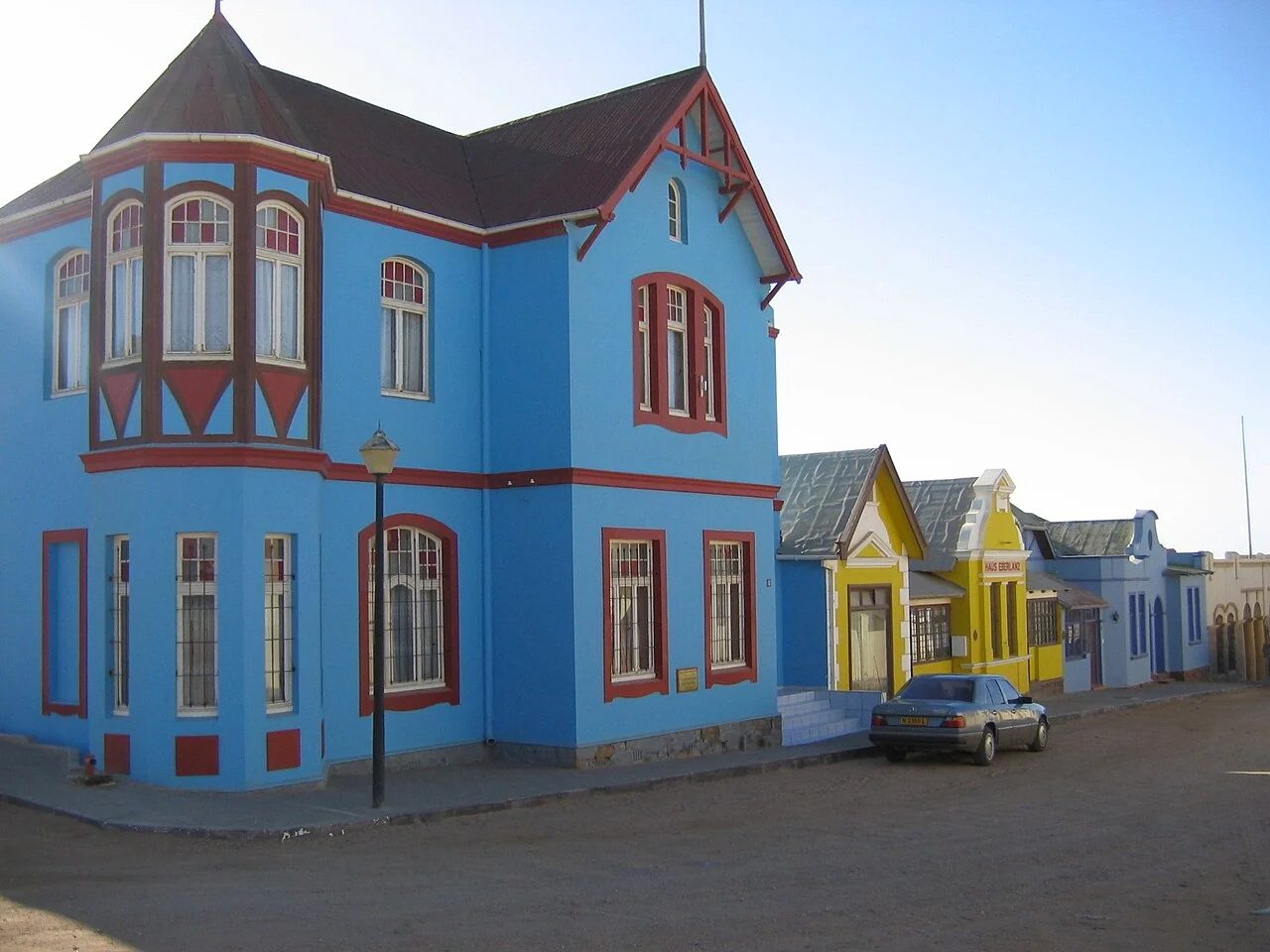

If rock lobster is offered, ask about preparation, portion and the complete order. Consider storage and serving conditions for mussels or oysters, explain allergies and choose cooked alternatives if raw products are unsuitable. Allow a main meal after the museum on day one and after the Kolmanskop return on day two. If some companions do not eat seafood, a shared small taste and different main dishes can work. Do not postpone the meal for another photograph. Regional association needs to be considered alongside the actual menu, hygiene and group requirements before choosing a business.
Arrival and rooms: keep the long journey separate
For a road arrival, assess distance from your own starting point rather than treating another traveller’s driving duration as a timetable. Plan fuel, water, road conditions, rental coverage and daylight. Official Namibian travel advice identifies wildlife and rural night-driving risks. If considering a flight, check an actual ticket for your travel day and the final town connection with the operator; this guide claims no fixed service or frequency.
Compare central and waterfront rooms through the dinner return, parking, stairs and short connections in wind as well as the view. Discuss the actual departure point for your Kolmanskop morning with the accommodation. Use the first complete day for the museum and a brief Bergstraße section, and the second for permitted Kolmanskop, reversing them when institutional arrangements require. Sources were checked on 4 October 2026. Resolve the stated timetable discrepancy with the operator rather than an old assumption, so the two days can support meaningful visits instead of avoidable waiting and a rushed return.