
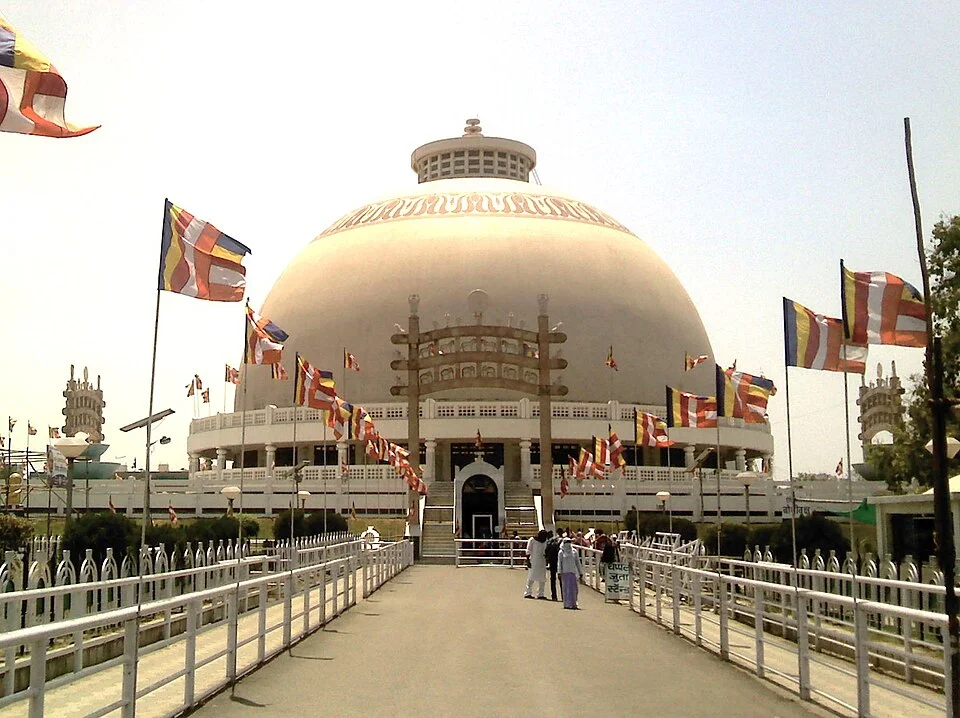
Nagpur: two city days and two kinds of memory
The Tatilmerkezi Stork suggests four calendar days and three nights for a first visit to Nagpur. The first full day connects the social memory of Deekshabhoomi with a quiet pause around Ambazari Lake; the second links historic central markers with a shorter Futala stop. This city in Maharashtra’s Vidarbha region need not be merely an overnight interchange on the way elsewhere. The programme concentrates on Nagpur itself rather than squeezing Ramtek, Khindsi or a tiger reserve into a city day. A business visitor can also attach one cluster to a meeting schedule. Understanding a monument and choosing a local meal without rushing is a more useful measure of the visit than the number of places reached. Keep the principal clusters when time is shortened instead of collecting distant stops.
Sharing four days and three nights
Day one is for arrival, the accommodation transfer and a nearby evening meal. Day two gives the main visit to Deekshabhoomi, followed by lunch and a shorter Ambazari pause. Day three begins with the Zero Mile marker, the public exterior of the General Post Office and central connections around Sitabuldi; Futala is the shorter final pause if transport fits. Day four is departure. That means two full city days, not a third full sightseeing day on the departure morning. If a ceremony or crowd requires more time at Deekshabhoomi, reduce the lakeside pause. Entering every building is not compulsory on the central day: an exterior observation does not require access to a private working area. Two principal clusters make the plan easier to simplify when connections or the group’s pace change.
Deekshabhoomi: the meaning at the centre of the visit
Maharashtra’s tourism authority presents Deekshabhoomi through its connection with B. R. Ambedkar’s conversion to Buddhism in 1956. Knowing that context helps prevent the monument from becoming merely a photograph of a large dome. Begin with the public approach and current visitor directions, then visit an open interior area quietly where access permits. At a place of religious and social significance, observing how visitors behave can be more instructive than rushing for a picture. Follow on-site requirements for shoes, clothing and photography. A major gathering or commemoration can create different conditions from an ordinary city visit, requiring transport and visiting arrangements to be reconsidered. No precise admission price, last-entry time or claim of unrestricted daily access is invented here. Allow enough time for the meaning of the place rather than treating it as a quick transfer stop.
Ambazari: a measured lakeside pause
The official Nagpur tourism page includes Ambazari Lake among the city’s recreation settings. A shorter pause after Deekshabhoomi can complete that day without turning the monument visit into an exhausting attraction circuit. Do not assume an uninterrupted walkable route between the two stops; select the actual vehicle or public transport connection according to your accommodation. An old photograph of a lake does not establish that a particular boating service operates today. Use the open public section and respect closed areas. Families can adjust the pause to sun and tiredness rather than extending the day to a distant additional destination. The lake is not proposed as a swimming location. Its role in this plan is the water view and a slower walk, with the return arranged before the group becomes tired.
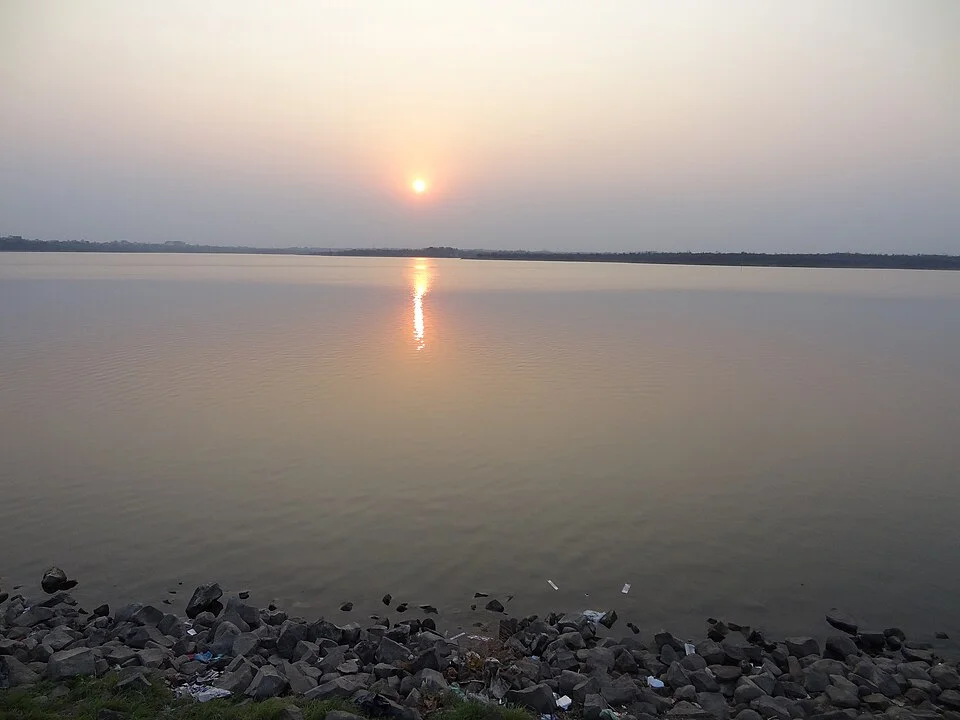

Zero Mile and the General Post Office: reading the centre
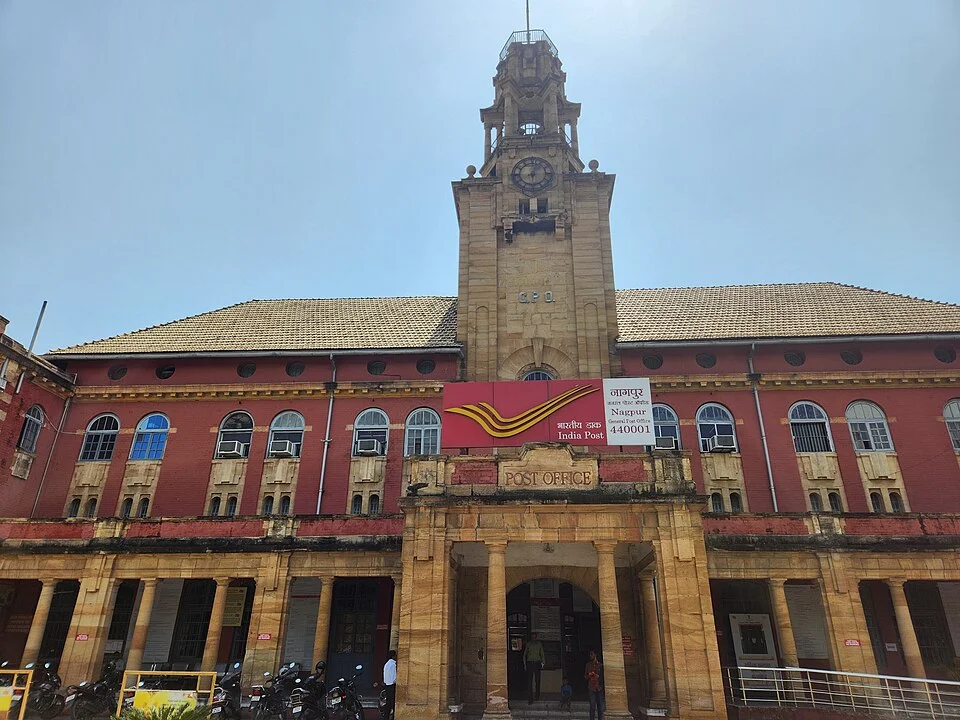
Zero Mile is a historic survey marker. Even the official tourism account notes debate over India’s exact centre, so this guide makes no claim about an undisputed geometric centre. Understanding the marker’s place in survey geography is a better starting point than seeking a geographical record. Consider the General Post Office as a separate architectural exterior on the same central day. It is a working institution; do not assume all its rooms are available for tourist visits. Observe and photograph from a permitted public location. Connect the Sitabuldi part of the day with lunch and a short shopping pause. The Nagpur district administration identifies Sitabuldi as an important market area. A brief observation of the commercial streets is useful without chasing a single celebrated shop or claiming a fixed shopping itinerary.


Futala: a shorter final stop on day three
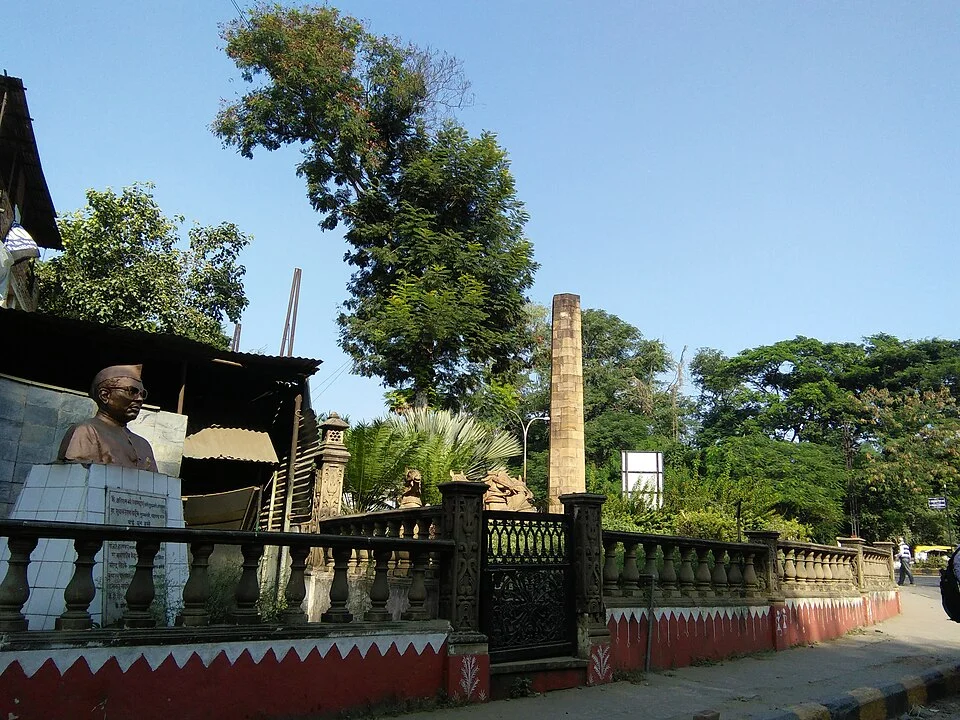
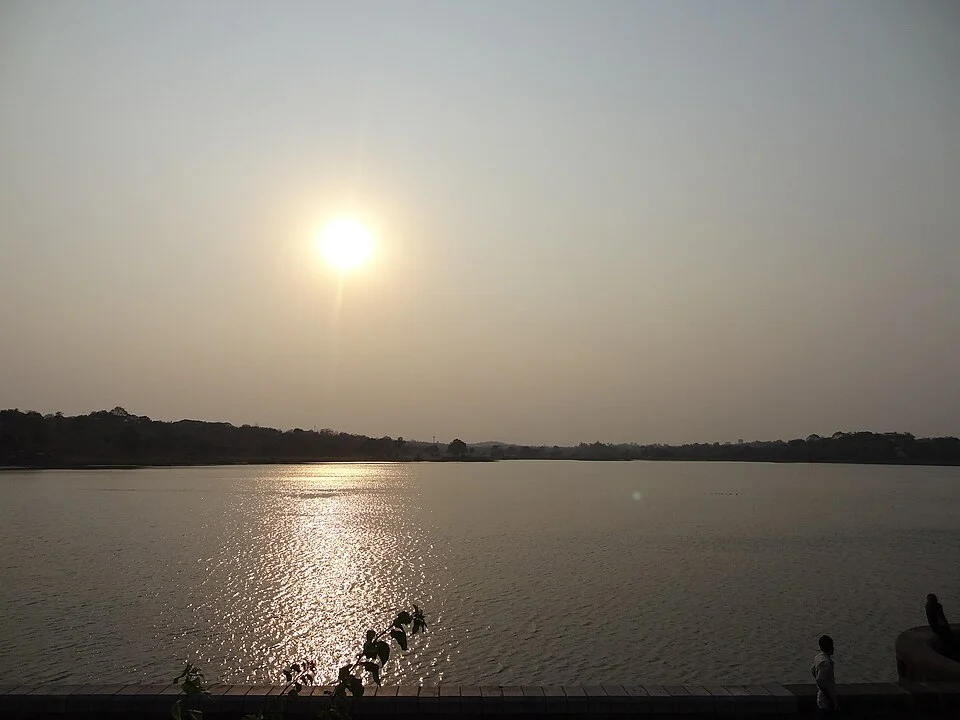
Futala is written as Phutala in some official material. That spelling difference does not indicate two separate lakes in this city setting. At the end of the central day, consider a short lakeside pause if the transport connection is suitable; do not assume a show, paid attraction or fixed viewing programme operates every evening. The lake photograph used here dates from 2013 and does not represent current event arrangements. A tired group can omit this stop after completing the principal visits. Plan the return all the way from the bank to the hotel, since a useful daytime connection may not offer the same service later. Keep the waterfront as a modest open-air complement to the central and social-history visits rather than enlarging it into a separate long excursion.

A Saoji meal: adding Vidarbha flavour
Maharashtra’s tourism authority describes Nagpur’s Saoji cuisine through strongly spiced, aromatic, thick gravies served with meat. That gives a concrete local starting point for lunch: consider an available Saoji-style meat dish with suitable bread or rice from the actual menu. Do not assume every kitchen follows an identical spice balance or offers the dish daily. A first-time visitor can select one main dish to share rather than order a demanding tasting table. Vegetarian readers should independently confirm suitable options; removing meat from a meat gravy does not automatically create a vegetarian meal. Place the Saoji stop near the Deekshabhoomi or central cluster where practical, reducing an unnecessary journey across the city solely for food. Obtain current prices and waiting times directly from the business. The named cuisine supplies a local basis without inventing a restaurant recommendation.
Accommodation, metro connections and a single-day option
Compare accommodation with the train or airport arrival, the Deekshabhoomi day and the central day. Staying near the railway station may help an early departure, but does not make all the lakes and monuments walkable. For an option around Sitabuldi, check the actual address, access to a main street and the evening return. Use Nagpur Metro’s official channel for current line and station information; a planned extension must not be presented as an operating service. Treat the luggage transfer separately from sightseeing. With only one city day, retain Deekshabhoomi, a chosen central stop and a Saoji meal rather than making both lakes compulsory. Sources were checked on 4 October 2026. Reconfirm changing visiting and transport arrangements through the relevant official channel before travel. The programme remains a practical introduction to Nagpur, not a substitute for a wider Vidarbha journey.