
Begin Kottayam with its urban institutions
Start Kottayam with its institutions and everyday transport setting rather than an obligation to hire a boat. Tatilmerkezi Leyleği suggests two nights in the same room and one complete day for Thirunakkara Temple and the Thazhathangady mosque setting. Arrival occupies the first evening, with the booked onward connection on the final morning. This leaves time for Kottayam itself, even though the name is often linked with Kumarakom and Vembanad. The route does not assume that every religious institution permits entry or that every room opens daily. Exterior architecture, a proper meal and short rest intervals can make a worthwhile city day. Add Kumarakom with another night and its own transport plan if that is the main interest. A central Kottayam room, a lakeside property and a boat day departing from Alappuzha provide different stays. Choosing the purpose before the address avoids unnecessary moves.
The bus terminal and the real door of your room
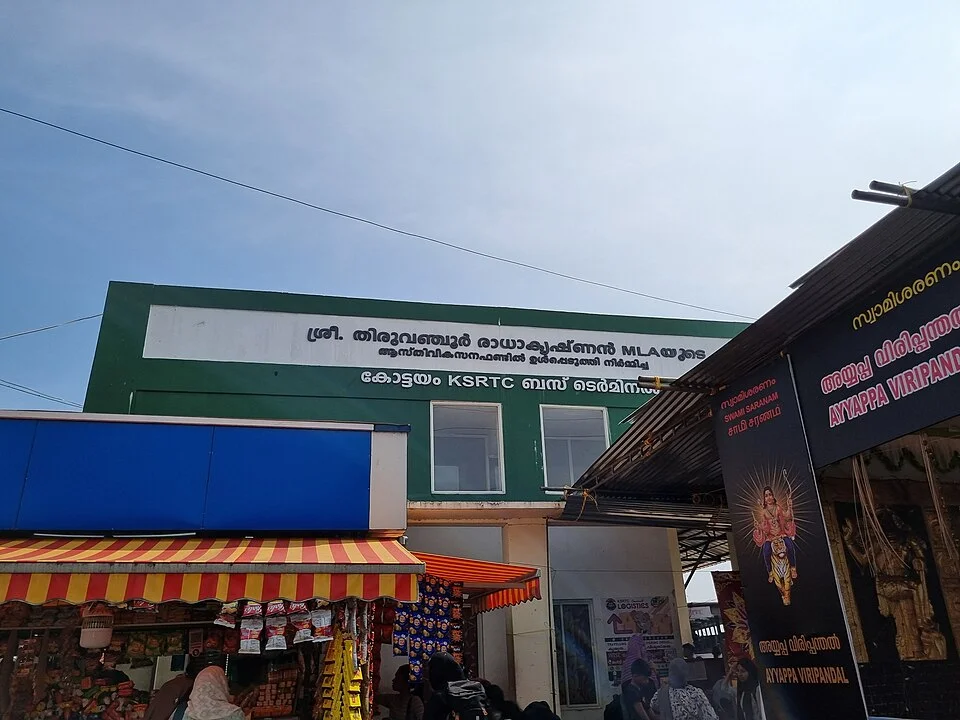
Read the district administration's current transport account according to your arrival method, then connect the actual station or bus stop on the ticket to the accommodation entrance. The photographed KSRTC terminal sign and shop setting show an urban transport scale; they do not mean every service leaves from the same place. Ask separately about private buses and local connections. For a late first-night arrival, confirm room admission and the final transfer in advance. A central address can simplify the main city day, while a quieter location requires real vehicle time for each outing. Arrange early luggage storage instead of carrying a large bag throughout the visit. Do not assume that a resort is downtown merely because its address includes Kottayam. The final station or terminal transfer also depends on the room's precise location. Remember that a stay spanning three calendar days contains only one complete sightseeing day when comparing booking times.

Thirunakkara: the gateway within a working town
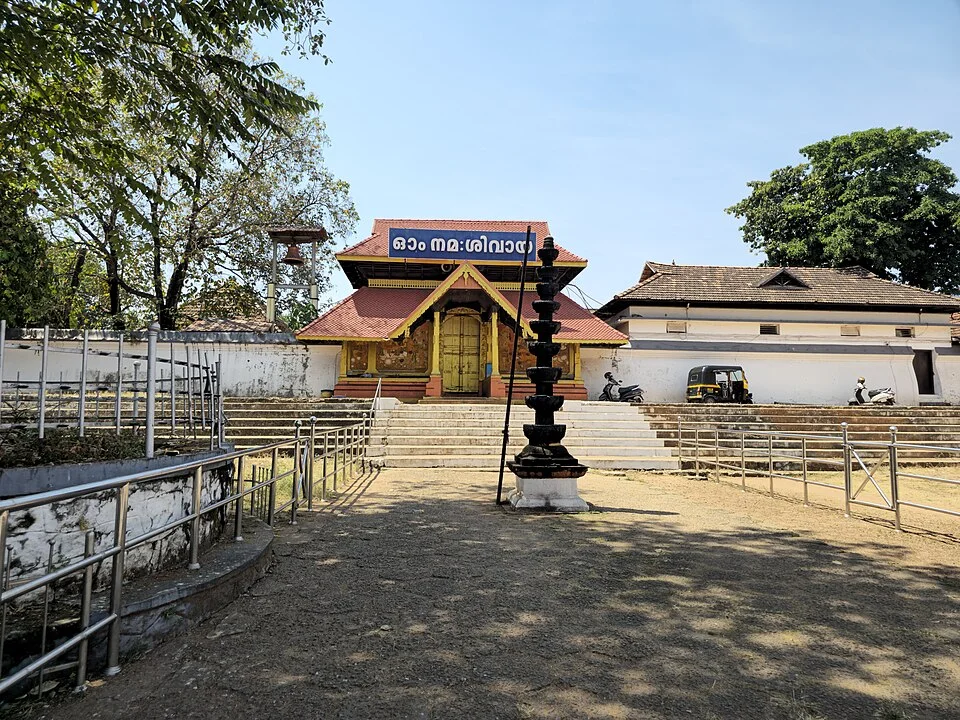
Kerala Tourism presents Thirunakkara Mahadeva Temple as a historic institution in Kottayam town. Use its exterior setting for the first part of the full day before travelling towards Thazhathangady. Look at the eastern gateway, approach and open space rather than rushing through a checklist of religious places. Accepted areas and the actual worship arrangements define the visit. Follow staff guidance on shoes, clothing and photography. A festival described on a tourism page is not a promise that it takes place during your stay; check an actual institutional announcement for dates. During busy worship, a brief exterior stop may be more appropriate. There is no reason to infer accessible inner rooms from a photograph. The gateway's relationship with the everyday city gives this first session a clear purpose, followed by a seated break before another transfer.

Thazhathangady: look at the roof and exterior wall
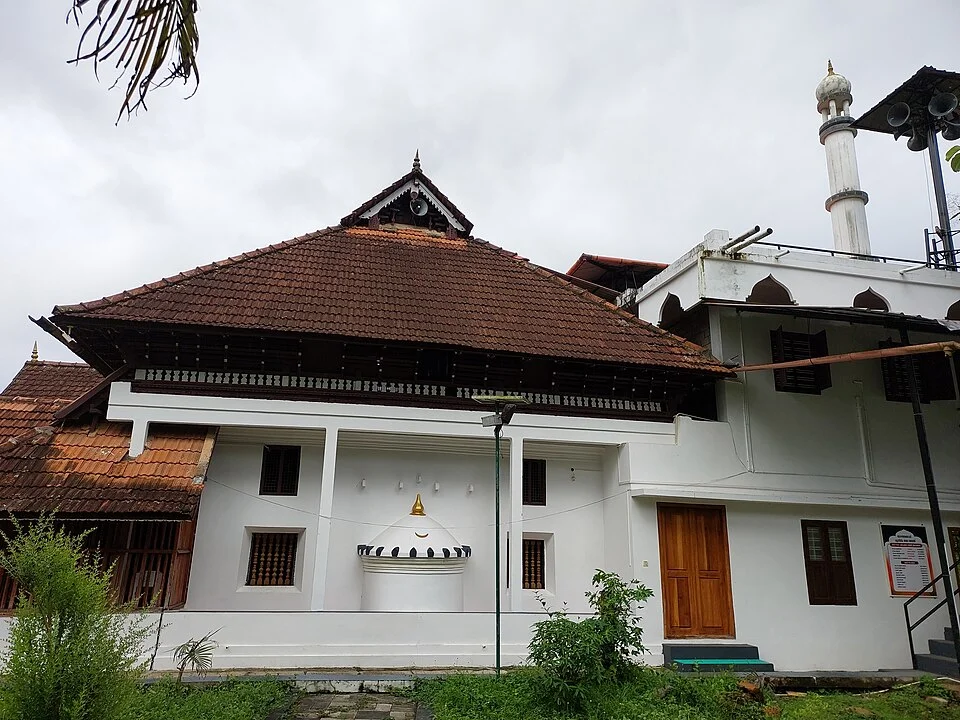
Make Thazhathangady Juma Masjid the second main historical setting of the short plan. The actual selected photograph shows its western white wall, layered tiled roof and minaret. It does not establish complete access to the building or its inner rooms. Check the genuine vehicle connection from the earlier central stop. Ask the institution about visitor timing, prayer and clothing arrangements. If admission is unsuitable, view the accepted exterior setting rather than trying another door to create your own route. Roof proportions, shade and wall arrangement offer a quiet architectural reading without an exhaustive history lesson. Conditions at a side door on the unknown capture date cannot guarantee today's arrangements. Keep a meal interval between the main institutional sessions. Instead of extending this stop until the next journey becomes a race, reassess how much of the remaining day is actually available.
The old seminary only with an appropriate connection
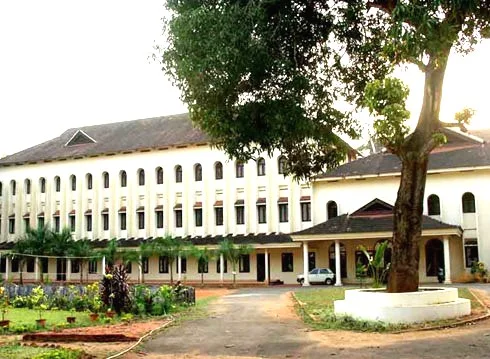
The Orthodox Theological Seminary's current official website identifies an active educational institution in Kottayam. Treating it as an ordinary ticketed museum would therefore be misleading. If its history interests you, contact the institution beforehand about visiting and accepted areas; without an answer, leave it out of the required city circuit. The chosen photograph shows a long exterior frontage, courtyard tree and approach. It does not claim unrestricted classrooms, worship areas or an open campus. When suitable permission and transport are confirmed, a short exterior session can add a separate educational perspective to the day. Otherwise, return towards the centre for a rest. Do not derive a foundation date or opening time from an image. This option serves a reader interested in the institution itself rather than expanding the day into another compulsory list of sacred places.

A meal beginning with appam or puttu
The state tourism account of the Kottayam region names appam, puttu and meen curry. Ask an establishment whether appam or puttu is available for breakfast, and consider an appropriate fish curry with its actual accompaniments for a main meal. Do not expect an identical recipe and portion everywhere. Learn the fish choice, heat and side dishes from the menu or staff; a traveller avoiding fish needs a direct conversation about alternatives. These names make a regional meal concrete without claiming a single recipe invented only inside Kottayam town. Put a seated meal and rest between the main institutional sessions. Skipping breakfast and depending on small snacks until evening does not simplify the visit. This plan requires neither a personally tested restaurant nor a claimed current price. Choose according to your own needs while considering the real return connection and the establishments that are genuinely open that day.
The field landscape and a separate Kumarakom day
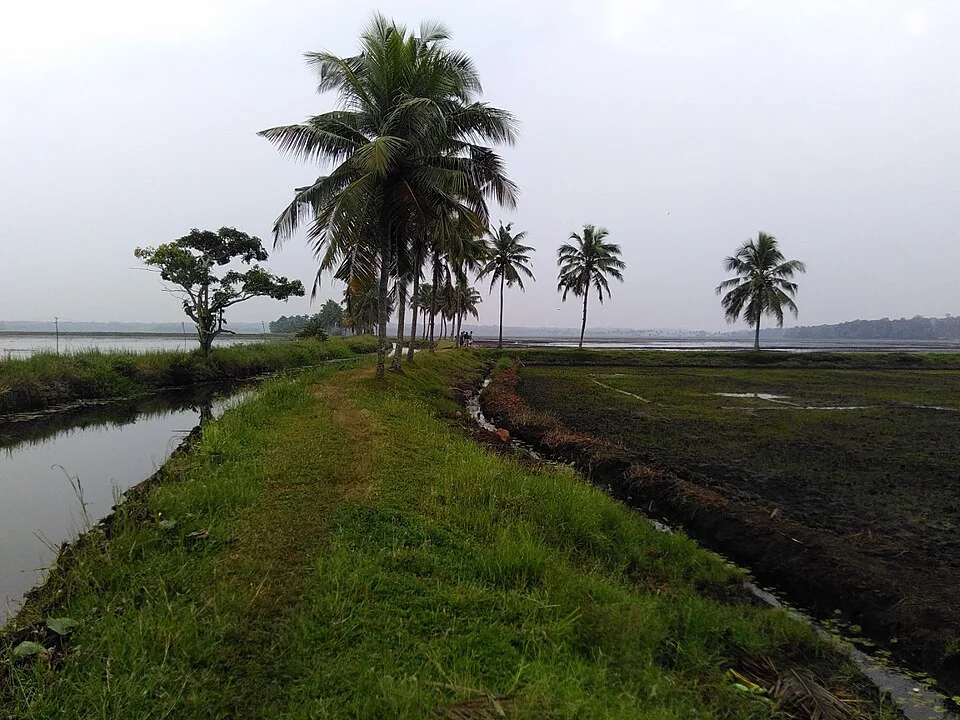
The Kottayam-setting photograph of a water channel, green fields and palms introduces a wider regional landscape. It is not evidence of a particular boat excursion or a field path open to visitors. If this surroundings interests you after the city day, investigate an actual transport address and accepted activity separately. Giving Kumarakom another day reduces pressure to rush towards the lake. A boat booking needs its departure point, return arrangements, real operator and weather conditions. A central Kottayam room does not automatically supply a jetty or ticket. Nor does the channel photograph permit entry through farmland. A suitable public viewpoint can be enough for a brief landscape session. Shape the city day and the chosen regional day around their separate purposes rather than transplanting an Alappuzha waterfront itinerary into this stay.

Leave a straightforward morning for departure
After breakfast on the final morning, concentrate on the room, bags and the actual booked train or bus connection. Instead of fitting every unused option into this interval, save an institution that interests you for a longer return stay. Ask the property about luggage storage for a late departure and choose a comfortable waiting arrangement near the onward connection. One complete city day need not include every institution's interior: gateways, exterior architecture, a suitable meal and neighbourhood scale provide a useful introduction. Sources were checked on 5 October 2026. Confirm admission hours, menus and services for the actual visiting date. Images with an unverified capture day do not establish today's entry arrangements. A longer stay can add a separately planned Kumarakom day or an institutional visit with permission already confirmed. Keeping the end of a short stay simple makes reaching the chosen connection easier.