
A useful two-day Farmington visit combines a city river walk and a Main Street meal with a separate trip to Aztec Ruins. Farmington is the overnight base; the archaeological monument is in the different city of Aztec, about 14 miles or 22.5 kilometres to the east. These are not consecutive stops on one walking circuit. With only one full day, visit the monument in the morning and return to Farmington for a short riverside walk and dinner. Two nights make it easier to separate hotel check-in from the closing time of the archaeological site.
How are Farmington and Aztec connected?
The Farmington tourism office presents Aztec Ruins as an excursion east of the city. All five archaeological photographs accompanying this guide show that excursion, rather than downtown Farmington. The name can also mislead historically: the settlement belongs to Ancestral Pueblo history, not to the Aztec civilisation of Mexico. Understanding that distinction before arrival makes the museum and the buildings much easier to interpret.
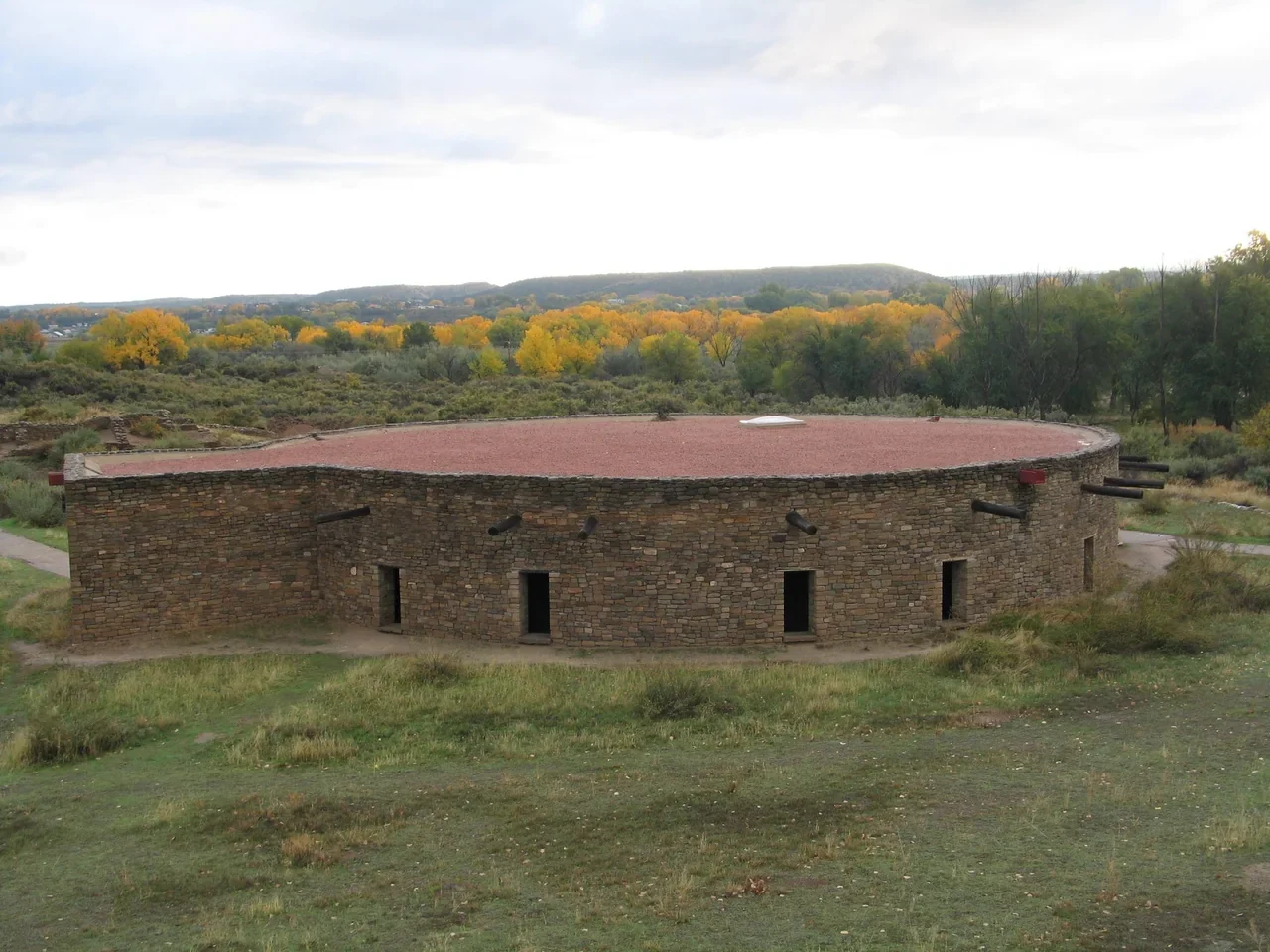
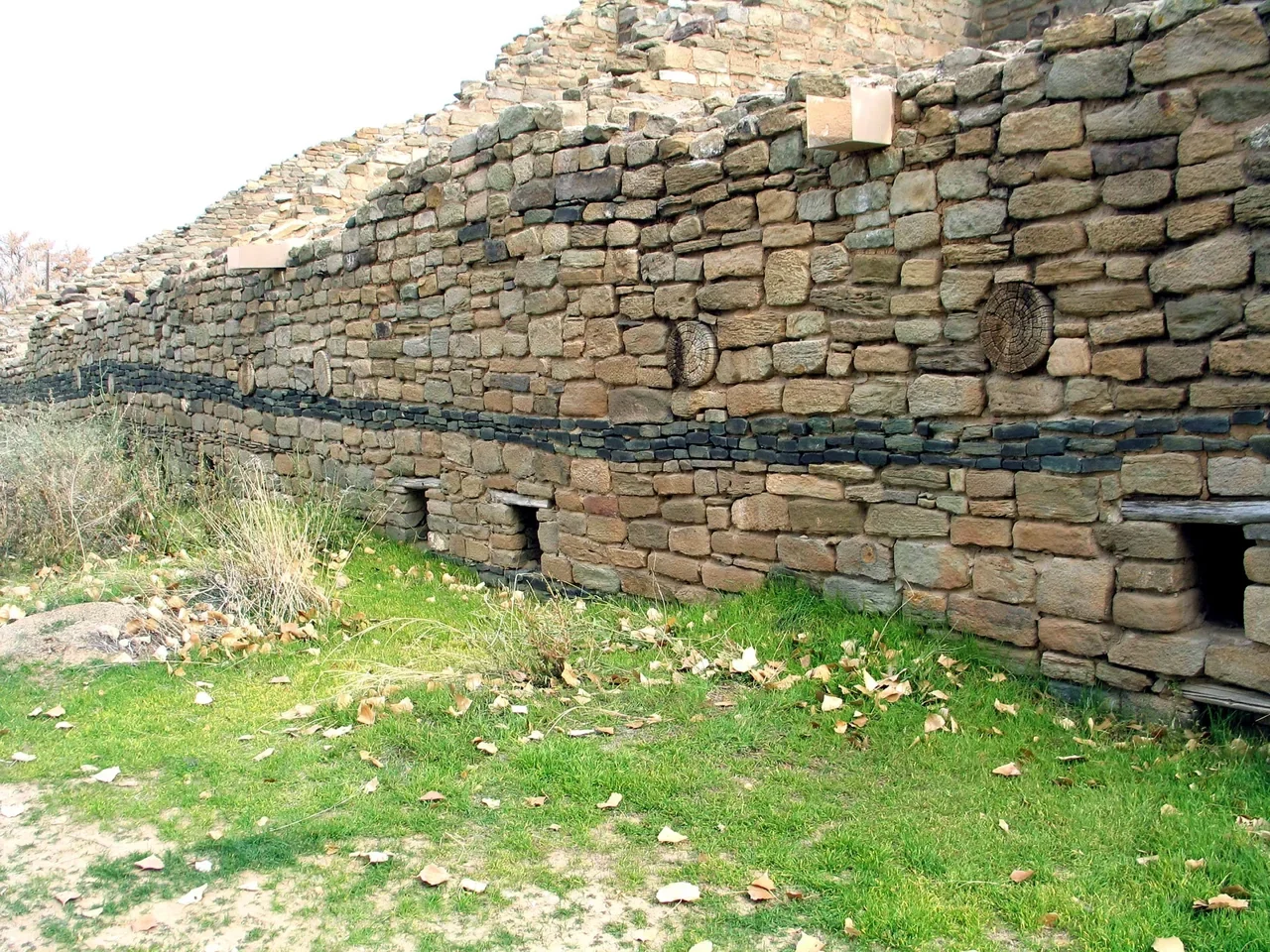
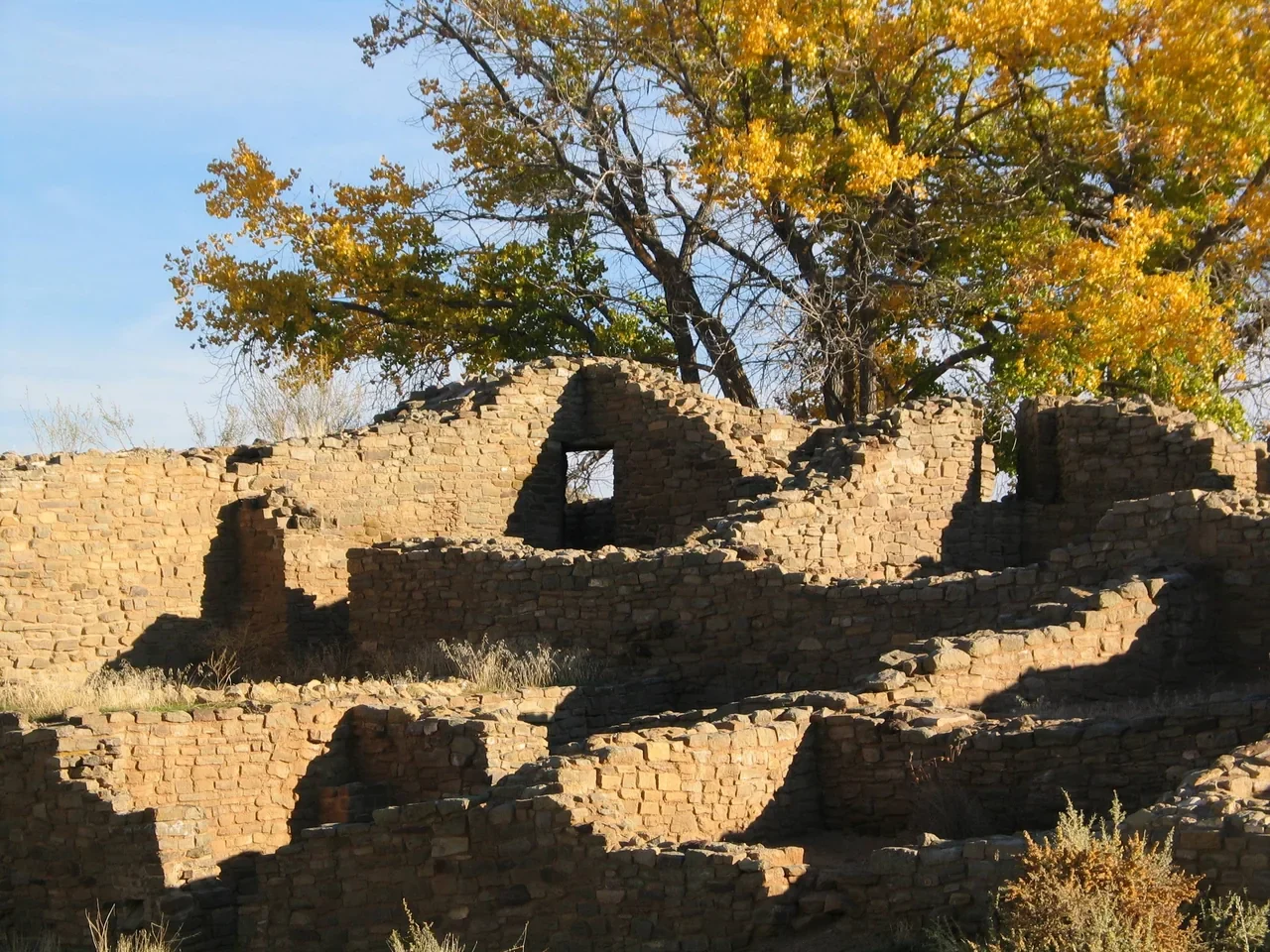
The National Park Service introduction highlights original wooden beams, masonry and the restored Great Kiva. Doorways, grinding stones and a contrasting band of stone help visitors consider everyday activity alongside larger architectural decisions. The Great Kiva encountered today is a reconstruction; do not treat the entire visible building as untouched ancient fabric. The official history pages also explain relationships with living Indigenous communities. This is a place with continuing cultural connections, rather than simply an abandoned setting for photographs.
How do you reach the monument from Farmington?
The visitor address is 725 Ruins Road, Aztec. NPS directions send drivers east from Farmington on NM 516, then towards Ruins Road beyond Lightplant Road. Enter the full destination into navigation rather than just either city name. Allow separately for the drive, parking and finding the visitor centre; a late departure from a Farmington hotel reduces the time available inside the monument.
This itinerary is simplest with a car or a transfer whose outward and return legs are arranged in advance. Do not rely on a bus connection appearing in an older directions page as proof of a current timetable. Confirm the service and the last useful return directly before basing an archaeological visit around public transport. Without a car, keep the booked Aztec excursion and the Farmington walking day separate. Walking from the monument back to a city hotel is not a sensible implied continuation of the short archaeological trail.
What are the opening hours and entrance costs?
The NPS operating-hours page lists the visitor centre from 9 am to 5 pm and grounds and archaeological trail from 7 am to 5 pm. The site closes on Thanksgiving, Christmas and New Year's Day. An early grounds opening does not mean that indoor interpretation is available at the same time. Do not plan an unscheduled after-hours visit or leave a vehicle overnight. Where tourism listings show a different summer schedule, use the park operator's information for the practical plan.
Admission is free, and an entrance pass is not required. Allowing roughly two hours is a planning suggestion for an unhurried museum and trail visit, rather than an official required duration. Review the conditions page again before travelling. Free admission should never be interpreted as unrestricted access during a closure or after the gate has shut.
How should the archaeological visit be organised?
Start at the visitor centre after 9 am, then follow the short outdoor route. The official things-to-do page describes a half-mile trail through original rooms, beams and masonry. A short distance still deserves a slow pace where passages are narrow. Stay on the designated route and avoid climbing walls. For an October visit, do not assume a summer ranger talk will be running; ask the centre about any programme offered that day.
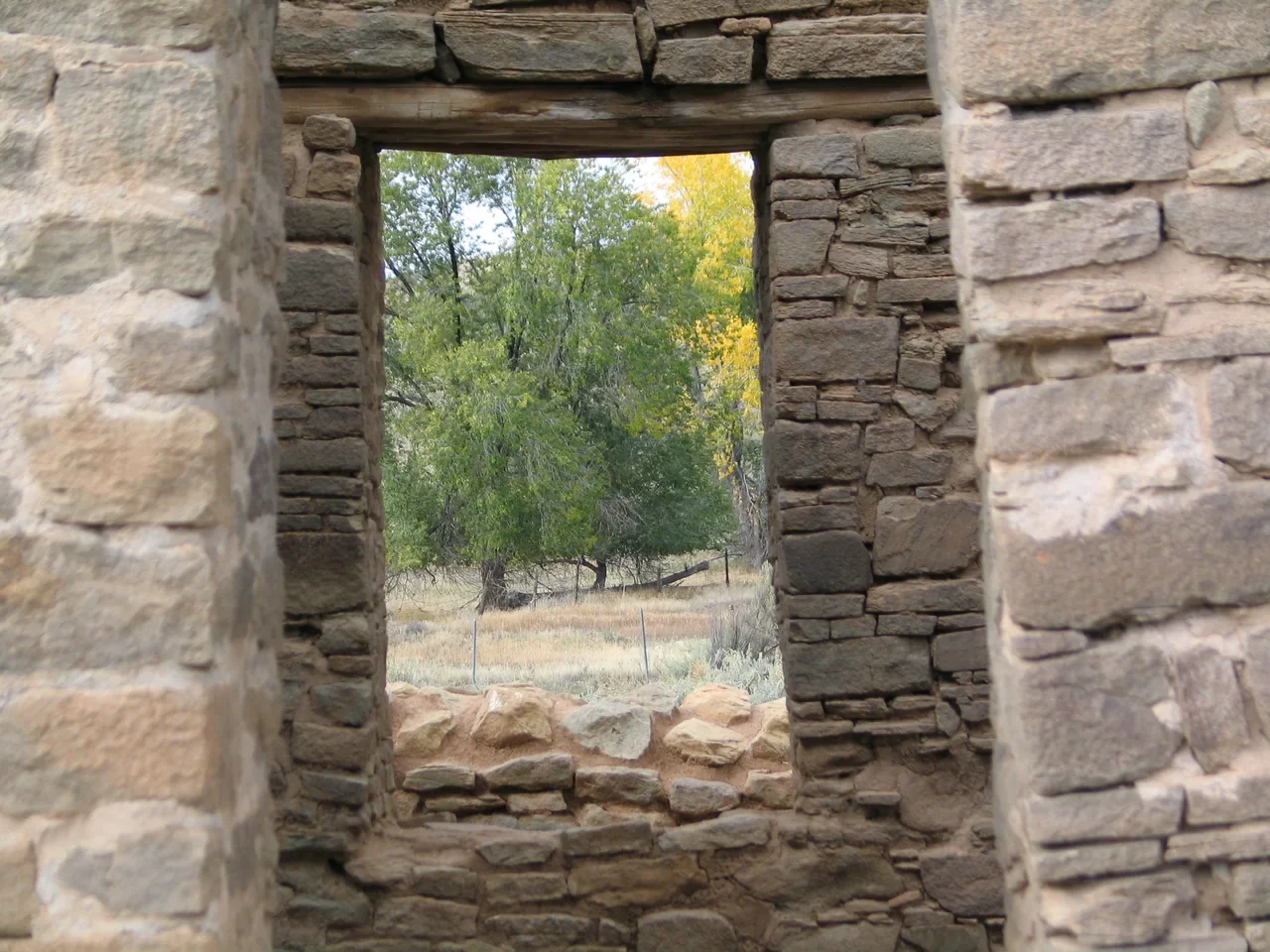
The archival view through a doorway illustrates one central opening, rather than guaranteeing a continuously walkable sequence of passages. Accessibility information distinguishes the accessible centre from a trail with low doorways and steps. Only some sections are suitable for wheelchair use; reaching the Great Kiva's lower floor requires stairs. Discuss the route map with staff first if mobility is a concern. Distance alone is a poor measure of accessibility here, and nobody needs to complete every passage to understand the site.
Where can you walk in Farmington itself?
Use the first afternoon for Animas River Trails. Berg Park has an access point at Scott Avenue and San Juan Boulevard, making it a practical place to start. Instead of committing to the entire trail network, walk out for around half an hour and return along the same section. Surfaces vary, so choose the length to suit the weather, footwear and available energy.
This city walk provides a different setting from the stone rooms at Aztec. It can follow a morning archaeological excursion, provided the road journey between the two is included. Keep the evening meal around Main Street rather than filling the remaining daylight with another distant destination. Travellers arriving late can shorten the river walk and move the longer visit to the following morning, without losing the basic shape of the trip.
Where can you stay and eat a proper main meal?
Hampton Inn & Suites Farmington is at 1500 Bloomfield Boulevard. Its official information lists 3 pm check-in, noon checkout, included hot breakfast and parking, and no airport shuttle. It is a Farmington base rather than accommodation beside the archaeological monument. For a driver spending two nights in one room, it provides a straightforward starting point for the separate Aztec day. Confirm any specific room or accessibility requirement when booking.
Three Rivers Brewery & Eatery, at 101 East Main Street, lists Green Chile Chicken Lasagna on its official menu. Chicken, green chile and cheeses are layered with green-chile Alfredo sauce, with vegetables and garlic bread alongside. This is a substantial sit-down main course rather than a snack suggestion. Ask staff about ingredients if allergies or dietary preferences affect the order; the presence of a named dish is not a guarantee that substitutions will be possible.
The restaurant's own page lists daily hours of 11 am to 9 pm while qualifying the closing time according to business. Plan an early dinner instead of assuming that the kitchen accepts orders until the last minute. A meal here fits naturally after the Farmington river walk or after returning from Aztec. Keeping the meal in the overnight city also avoids depending on an unverified late transport connection after the monument closes.