

Bhutan rewards a first visit that gives its valleys time rather than trying to collect every destination in one week. A western route around Paro, Thimphu and Punakha connects mountain journeys with town life, farming landscapes and religious heritage. Tatilmerkezi Stork suggests five to seven nights, a small number of accommodation changes and short walks agreed with your guide. The useful question is which day belongs to driving, resting or walking, rather than how many dzong names can fit on a checklist. Eastern valleys require a separate decision about time and road travel. Understanding the western triangle can make a more satisfying introduction than seeing many regions briefly through a vehicle window.
Arrange entry and guiding before the itinerary
The official tourism information checked on 4 October 2026 describes guiding as a central requirement of travel in Bhutan. Visa and permit arrangements depend on your passport, so confirm your own case through the official application information. Consider the Sustainable Development Fee and visa charge separately from accommodation, guiding and vehicle costs; an old social media price is not a complete budget. The tourism authority's approved business directory provides a starting point for researching accommodation and operators. Your written agreement should identify the guide, driver, overnight route and arrangements for a cancellation. The official FAQ describes changed route-permit arrangements when travelling with a Department of Tourism certified guide. This guide therefore avoids repeating older permit instructions as if they were current requirements for everyone.
Divide five or seven nights between the western valleys
With five nights, an initial rest around Paro, two nights in Thimphu, one in Punakha and a final Paro night can be a starting framework. Flight timing and road conditions may change it. Seven nights allow a calmer distribution: two in Thimphu, two in Punakha and three around Paro, including arrival and departure margins. Do not schedule the Taktsang walk on your arrival day. Luggage, flight fatigue and adaptation to altitude can make a path that looks short in a photograph feel considerably harder. Begin with a gentle valley outing or an unhurried meal according to your guide's assessment. Removing the final Paro night and planning to meet an international flight immediately after a long road transfer reduces your flexibility when weather or roads change.
Thimphu: a market and an ordinary city day
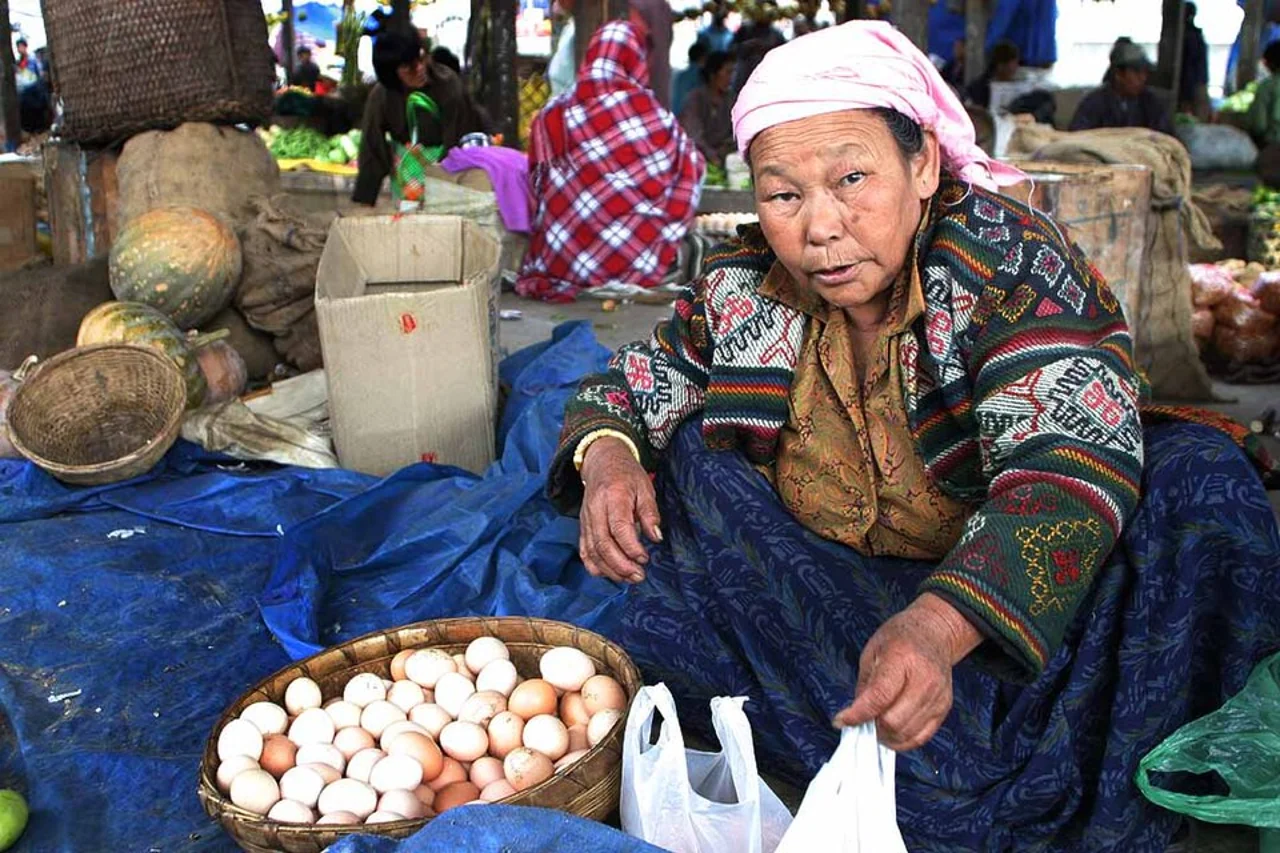
Give one capital day to market surroundings and everyday urban life. Ask your guide about current activity and permitted access, then choose a market section that is operating. Leave sellers room to work. Permission matters when photographing people's faces, private activity or worship. Instead of stacking several institutional interiors into one day, combine an open cultural stop, a short walk and a seated meal. When looking at craft products, ask about materials, technique and whether an item was actually made locally. A named museum or shop should not be assumed to open every day. If rain increases, shorten the outdoor shopping and agree an indoor alternative with your guide. Shopping is an option for learning about production, not an obligation that needs to dominate the trip.

Paro and Taktsang: give the walk a separate day
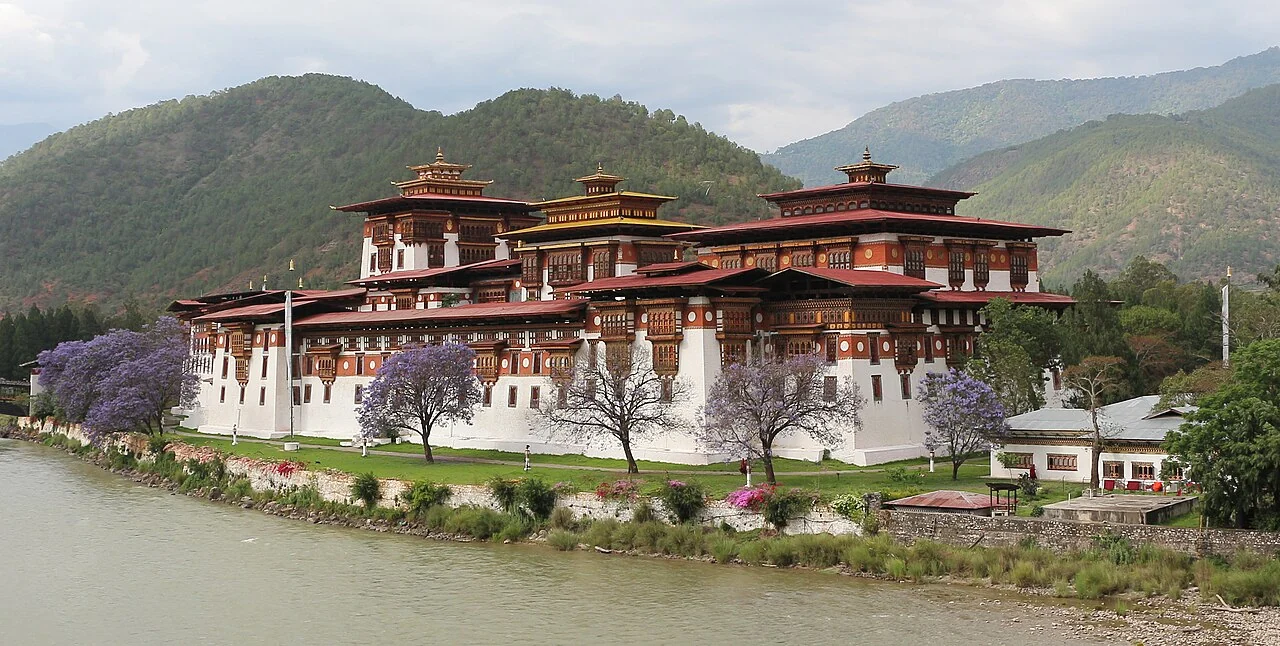
Paro's farming landscape suits a quiet arrival or return-day outing. Taktsang deserves a separate day planned with your guide. Gradient, weather, surface conditions and your own walking capacity need to be considered together. Seeing the monastery in a photograph does not mean every traveller can complete the same route safely. Leave adequate time for the ascent, rests, permitted visiting and descent. Check dress and photography rules before setting off, and respect restrictions inside religious spaces. Turning back when tired or when weather changes is a sensible decision. An alternative Paro valley day can introduce architecture and farmland without requiring a demanding climb. Tell your guide your intended walking limits before departure, rather than waiting until the highest point to decide whether the outing suits you.


Punakha: separate the dzong visit from the farming valley
The Punakha leg is more than one photograph of a large building. Understanding the dzong's historical setting and visiting rules is a different activity from observing a farming valley on a short walk. First confirm institutional access and the areas visitors may enter. Quiet behaviour and suitable clothing respect a place where religious life continues. Later, follow a public route selected by your guide to observe the rice fields from outside working plots. Fields, irrigation channels and household courtyards are not shortcuts. Colours and farming activity change with the season; an older harvest image cannot promise today's landscape. A second night makes it easier to enjoy this outing without squeezing it into the middle of a lengthy transfer. It also leaves you better rested for the road journey the following morning.


Ema datshi, red rice and buckwheat at the table
Official tourism writing and the government's cookbook describe ema datshi as a chilli and cheese dish. If it appears on the menu, try a modest portion alongside red rice and ask about heat before ordering. Cheese and accompanying ingredients deserve attention if you have food allergies. Buckwheat is also part of Bhutan's food culture, but ask how the particular item offered is prepared rather than assuming it belongs on every table. A walking-day breakfast should provide an adequate familiar meal instead of becoming a test of the hottest unfamiliar dish available. The Thimphu city day works well for a seated lunch; in Punakha, add a warm meal and a rest after the valley outing. Seeking local flavours should take account of the individual traveller's needs, appetite and tolerances.
Accommodation bases and mountain transport
Compare accommodation around Paro for departure access, Thimphu for city-day connections and Punakha for a quieter break in the road route. Beyond a central location label, ask about the actual entrance, stairs, heating, hot water and meal times. An approved directory listing does not automatically answer every practical question. With a guided vehicle arrangement, clarify driving scope, luggage and rest stops beforehand. Current FCDO advice highlights weather disruption to flights, rain and landslides on mountain roads, and the risks of night travel. Altitude and limited medical facilities warrant individual professional advice and insurance that includes appropriate evacuation cover. Keep an unscheduled eastern extension out of this first western journey. A departure margin protects both practical connections and the quieter details that otherwise get lost when a trip becomes a race.