
For a first Uzbekistan journey, link Tashkent, Samarkand and Bukhara to experience a capital and historic centres on separate days. Tatilmerkezi Stork recommends a seven-night framework rather than adding Khiva, lengthy desert crossings and border excursions to the same week. Consider two nights in Tashkent, two in Samarkand, two in Bukhara and a final Tashkent night if required by your departure connection. This is a suggested allocation, not a timetable. Establish suitable trains and flights before confirming rooms. One main visit and one quieter neighbourhood outing in each city leave room for ordinary daily life without continually moving luggage.
Entry, registration and borders outside this itinerary
Using official information checked on 4 October 2026, establish passport-specific entry requirements through the official tourism guidance and the appropriate diplomatic authority. Do not apply another nationality's exemption to yourself. The official tourism page describes a foreign visitor's registration requirement within three days. Ask on arrival how your hotel handles registration and retain the record. Private accommodation requires a clear arrangement in advance. FCDO regional advice highlights military areas near the Afghan border and the Friendship Bridge's closure to foreign visitors; this border is outside the first-city itinerary. Bringing a drone is not an ordinary camera decision: import and operation are restricted and require confirmation with the relevant authority before arrival.
Tashkent: Chorsu and the first two nights
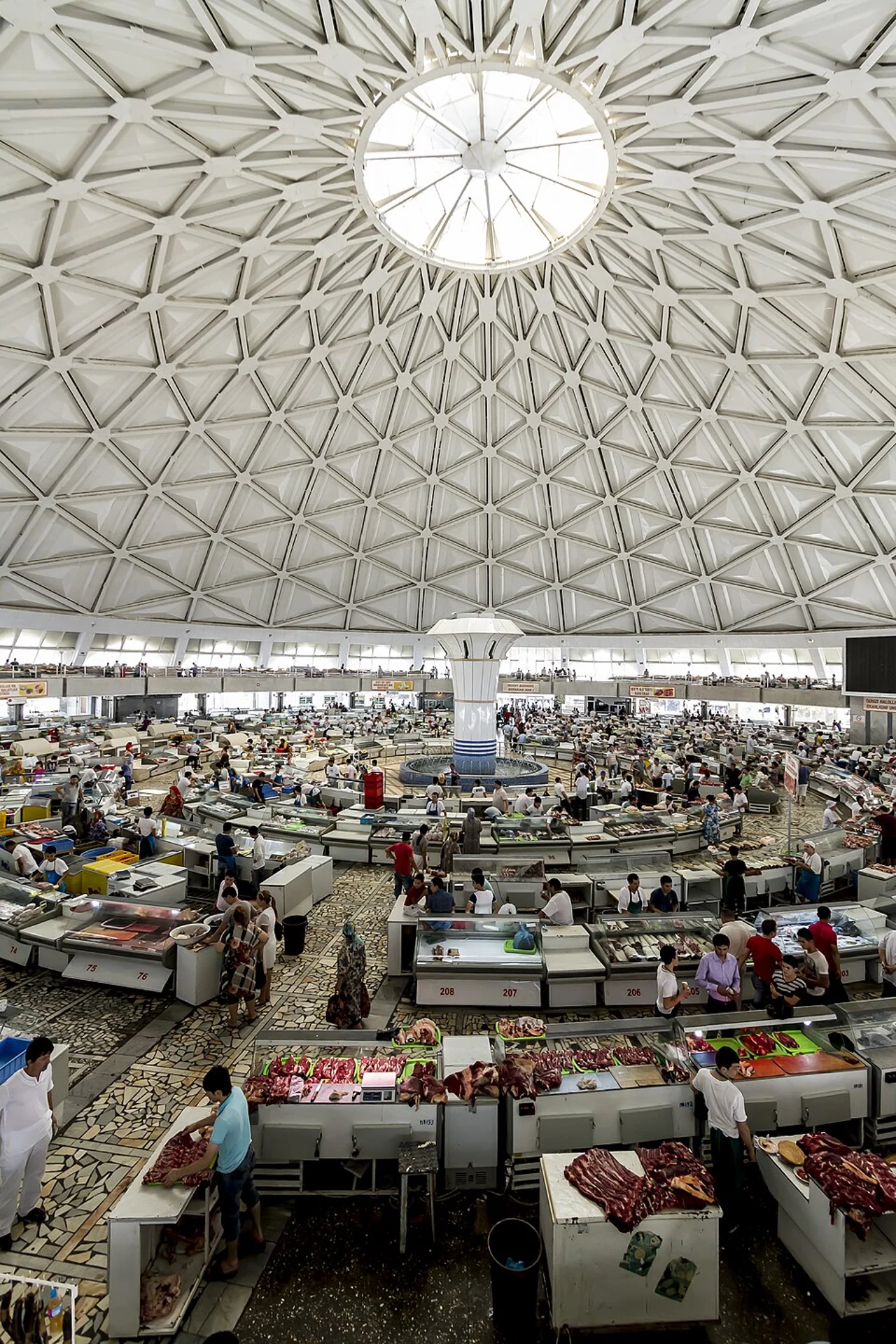
Begin your arrival day with a modest outing and reserve longer visits for a rested day. Choose a suitable quieter period for Chorsu market rather than turning working stalls into a photography studio. When looking at bread, nuts or fruit, ask about the product and portion. Obtain permission for close photographs of people and keep passages clear. A seated meal and shaded rest after the market may be more useful than attaching a lengthy capital tour. Tashkent's Chorsu and Samarkand's Siyob are different markets, so check names and meeting points carefully. A short-looking distance on a map may be uncomfortable with luggage or in hot conditions. Your first two nights also provide time to confirm the next train connection.

Plan the train and hotel arrival together
Use the official railway sales portal to compare travel date, passenger name and the actual departure and arrival stations. This guide does not guarantee a particular fast train at convenient hours every day or promise ticket availability. Tell your hotel which station you will use and arrange the connection around that real arrival. Ask about luggage storage if early room access has not been agreed. A travel day needs time for drinking water, a light meal, station access and offline access to reservation documents rather than a complete museum schedule. Consider the consequences of delays before linking the last intercity journey and an international departure on one day. A spare capital night offers flexibility rather than a failure of the itinerary.
Samarkand: Registan and neighbourhood connections
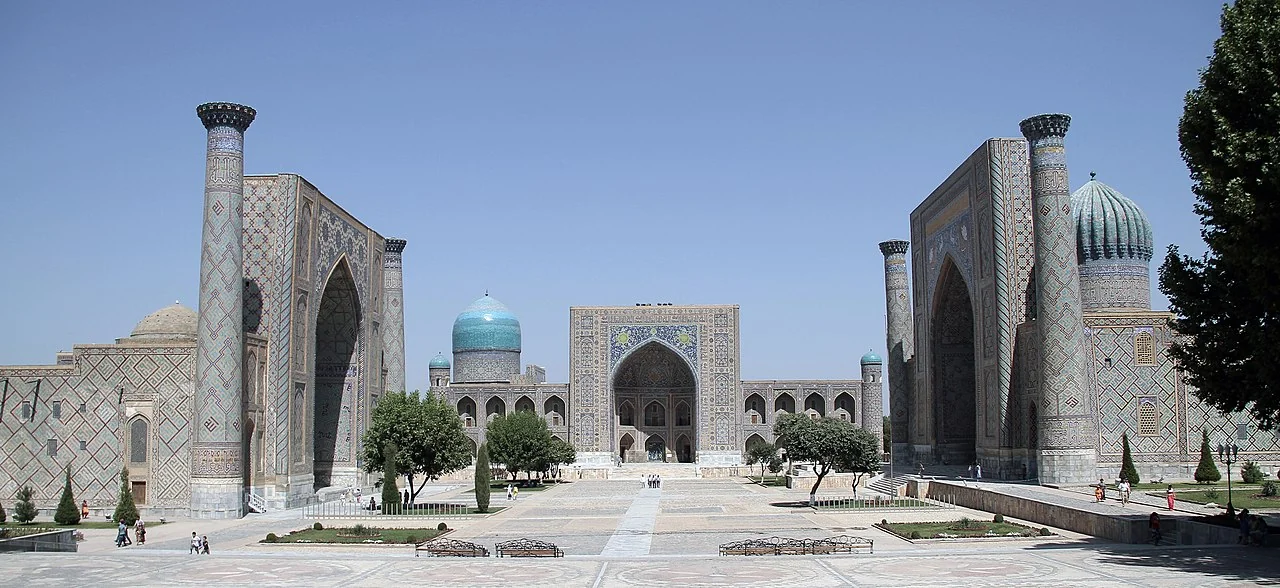
Spend the first full Samarkand day around Registan to understand its scale and the sections open to visitors without rushing between monuments. The official tourism source's historic stops offer different spatial experiences, not simply a photographic checklist. Confirm entry arrangements, visitor sections and steps with the institution. An exterior image does not prove that every interior is accessible. Separate afternoon rest from a nearby walk. Choose accommodation through practical access to the historic area, the actual entrance and the evening journey after dinner. A station-area room may simplify baggage transfers while still requiring daily transport to the centre. Give room quietness, cooling and accessibility as much attention as a view. Leave time to enjoy the square instead of treating arrival and departure as equivalent sightseeing opportunities.
A separate day for Shah-i-Zinda and Siyob
On the second Samarkand day, you can pair Shah-i-Zinda with Siyob market without assuming a continuous easy walk. Respect clothing, visitor conduct and photography rules around worship and burial spaces. Ask about steps and narrow passages before deciding whether the visit suits your needs. Official tourism information associates Siyob with the Bibi Khanum surroundings. Local bread and everyday shopping provide a different focus from the previous day's major square. When heat, tiredness or crowding rises, retain one outing and omit the other. Combining two days only to add another city name often removes the very time that makes Samarkand worthwhile. Keep a seated meal between outings rather than expecting purchases from a market to solve everyone's dietary needs.


Bukhara: a walking base around Lyabi Hauz
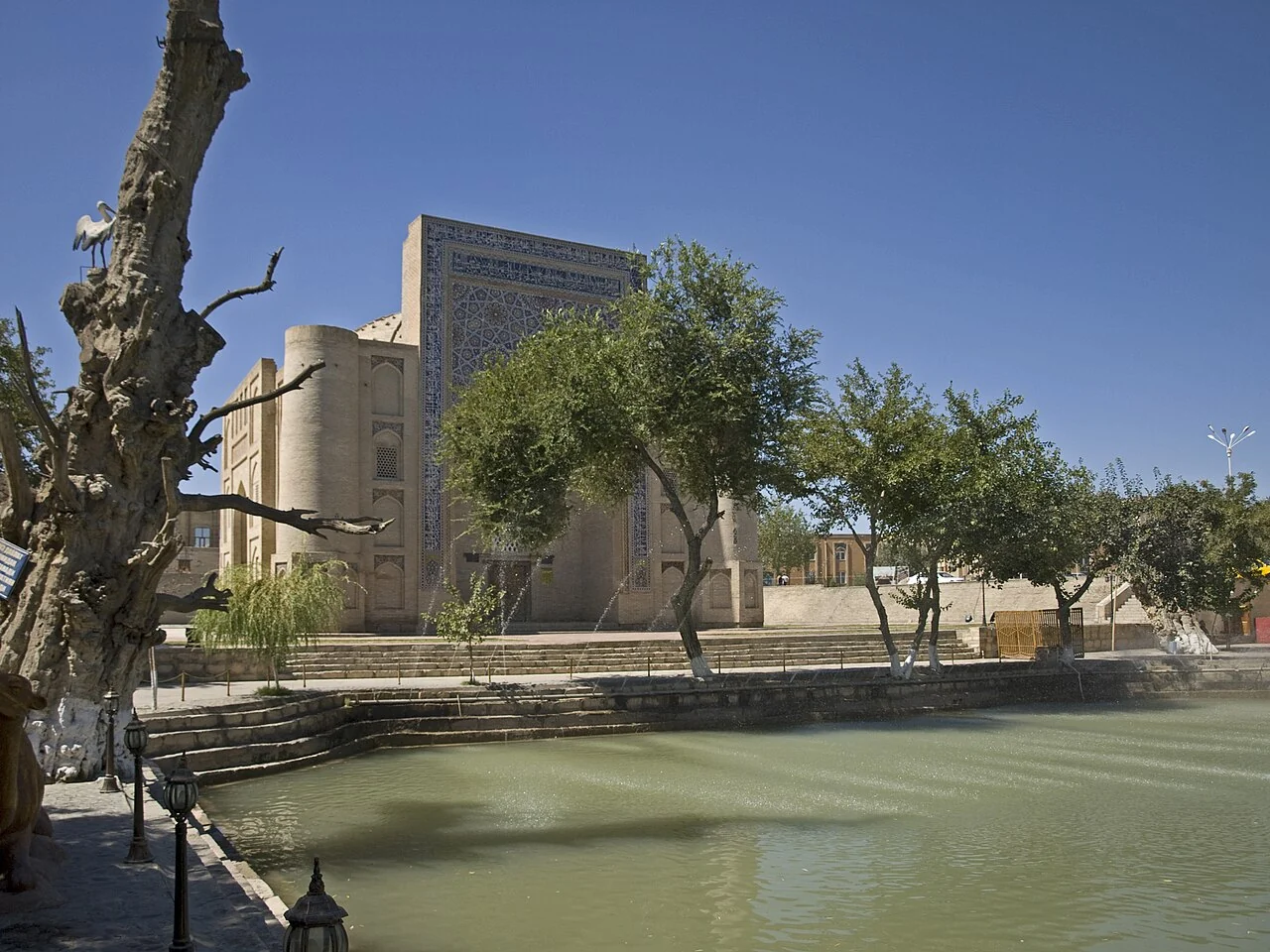
Two nights with practical access to Bukhara's historic walking area reduce the pressure to fit squares and trading domes into one extended day. On the first evening, a short orientation around Lyabi Hauz and a seated meal can be enough. The following day, choose Poi Kalon and the trading surroundings according to current visitor information. Build shade, toilets and rest into the route, as older surfaces and steps can affect mobility. Ask about the distance between the vehicle stopping point and your actual room entrance. For craft purchases, clarify materials, production origin and transport requirements. Permission to observe a working craftsperson is more respectful than assuming that every workplace is automatically a visitor attraction. Leave room for a slow return rather than rushing back for another long transfer.

Palov, samsa and Samarkand bread
Official tourism writing associates palov with rice, meat, carrots and onions, while regional kitchens differ in preparation and serving. The older photograph of a Bukhara palov plate here is a food example, not a current restaurant recommendation. Sharing palov at one meal and choosing samsa with a lighter accompaniment on another day can be more flexible than ordering numerous rich dishes together. Ask about samsa filling, meat and allergens. Connect Samarkand bread shopping with the Siyob outing, without interpreting historical stories as storage or health guarantees. On a train day, place the main meal in a relaxed break instead of rushing it before station access. A speciality name introduces local food but does not establish what a particular business will have on its current menu.


When to add Khiva or a remote extension
Leaving Khiva out of this first week creates useful time in three cities. If Khiva is your main interest, consider extending the trip and rebuilding connections rather than compressing nights elsewhere. A long vehicle day and a historic-centre walking day create different fatigue. This city guide provides no access permission for remote border areas, independent mountain outings or desert crossings. Before departure, review your passport conditions, registration records, trains and flights, hotel arrival arrangements, weather and return plan. A good Uzbekistan route is not the one with the largest number of stops. It is the one that combines real transport connections with each day's visits, meals and rest, while respecting the practical rules that apply to your own journey.