
One night in Astoria: read the river city at two scales
A short stay in Astoria works well when the maritime story of the Columbia River is connected with the smaller scale of downtown streets. This proposed overnight itinerary gives the first day to Commercial Street and a short section of the Riverwalk, then reserves the following morning for the Columbia River Maritime Museum. Add the Flavel House visit as a separate downtown stop if it suits your interests. Museum, river, historic house and meal then become different parts of a coherent city visit, without trying to include every place on the Oregon coast. Choose the departure journey first, leave a useful block of time for the museum and fit the other stops around it. A hilltop viewpoint can be considered separately rather than treated as an inevitable extension of the waterfront walk. Staying one night also removes the pressure to reach the museum before closing immediately after arrival and makes room for observing the river at your own pace.
Transport: begin with the Marine Drive transit centre
The current SETD contact page on NW Connector gives Astoria Transit Center's address as 900 Marine Drive. Information and ticket office hours are listed as eight in the morning to five in the afternoon on weekdays. A closed weekend office does not mean every bus service is suspended. Visitors arriving from Portland can consult POINT's current NorthWest route page, which describes daily service between downtown Portland and Oregon's north coast. Select the direction and actual travel date without carrying a fare or departure time forward from an old announcement. Look at the luggage journey between your arrival stop and accommodation before booking. If the address is on a higher street, the waterfront distance alone will not explain the final approach; consider the elevation and how you will complete that section. Drivers should ask about parking separately from the room rate. Parking once and arranging two short downtown walking chapters may make the first afternoon easier than moving the vehicle for every stop.
The maritime museum: the anchor of the second morning
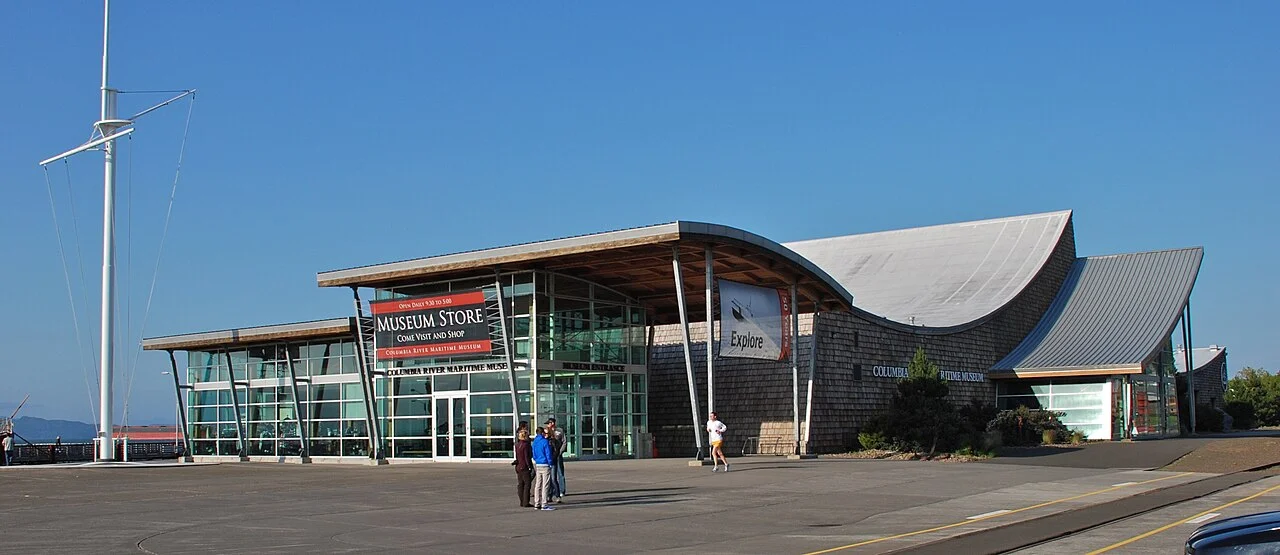
The Columbia River Maritime Museum's own site, observed on 5 October 2026, gives an address of 1792 Marine Drive and normal daily hours of 9.30 a.m. to 5 p.m., with Thanksgiving and Christmas Day exceptions. This visit can place the boats and river activity seen outside into a wider maritime context. Do not reduce it to a quick exterior photograph stop: allow time for the indoor material you choose, then return to the water afterwards. The museum also describes several campus projects running during 2024–2026. The 2012 exterior photograph therefore should not be used as an exact map of the present entrance arrangements. Check ticket categories and the sections available on your day before arriving. On the 5 October check, the institution reported that the wheelchair lift to the upper platform in Brix Maritime Hall was out of order; discuss an alternative gallery arrangement rather than assuming upper-platform access. The announced Mariners Hall opening on 20 November 2026 is still in the future and does not establish an open October visit. A separate film or vessel visit should not automatically be assumed to follow the main building's hours. On the departure day, completing the museum first and putting lunch and luggage collection afterwards provides a clear structure that is less dependent on the weather.

Lightship Columbia: keep its access separate
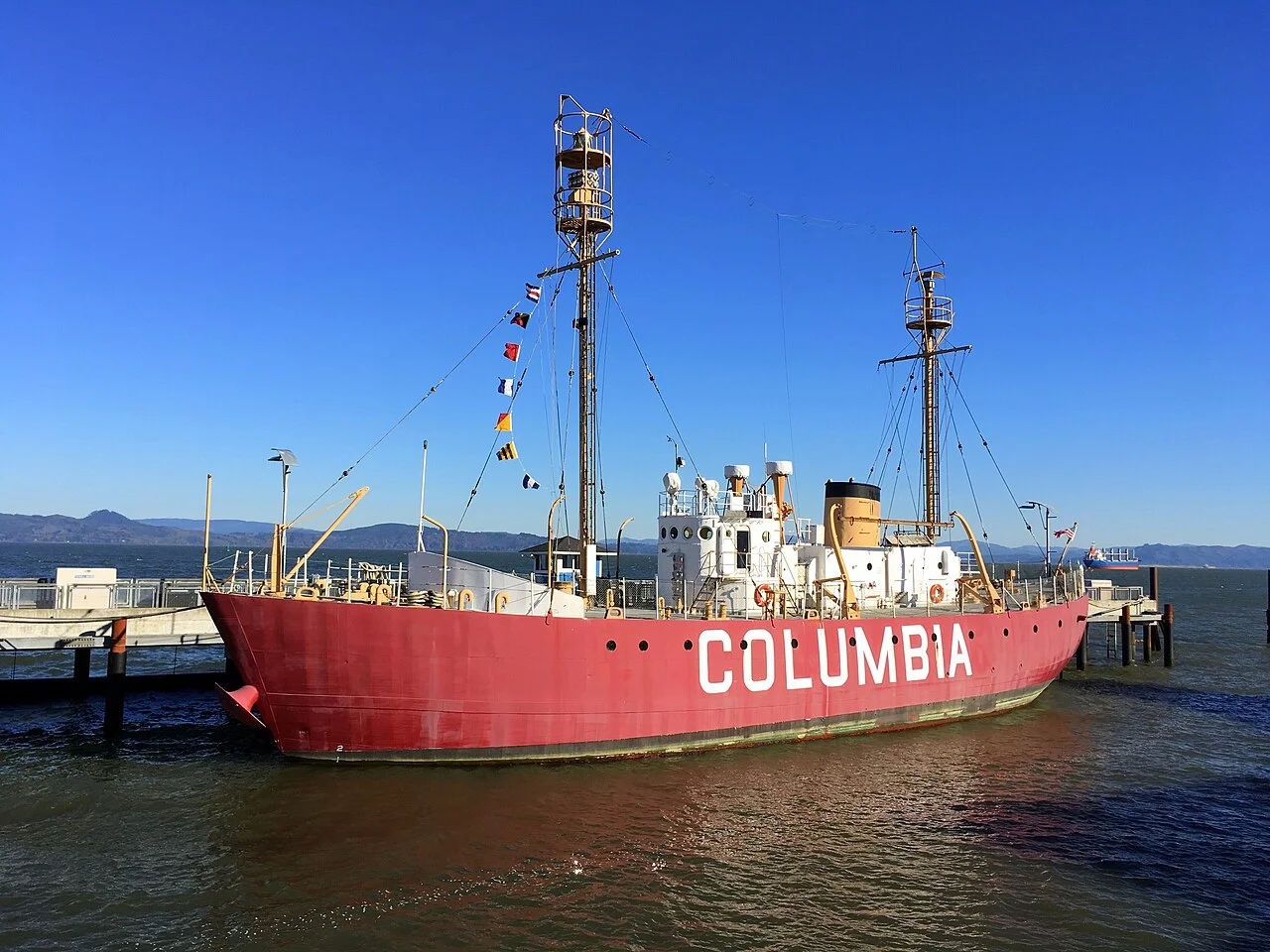
The red-hulled Lightship Columbia is a recognisable part of the museum waterfront. The photograph here is an exterior view taken in October 2017. The current museum page lists vessel hours of 11 a.m. to 3 p.m. and asks visitors to call for availability on the day. Keep that distinction in your route: an open museum door does not establish that the ship is available to visit. If going aboard matters to you, ask at 503.325.2323 before choosing the order of the second day. If it is unavailable, the museum and the waterfront remain worthwhile, independent chapters; the entire trip does not depend on that one entrance. No current deck, stairway or boarding detail has been checked through the old photograph. Looking from outside also tells you nothing definite about the present visitor arrangements. With children or a traveller who has limited mobility, asking separate questions about the vessel and the main museum can prevent the wrong access assumption from shaping the plan.

Flavel House and Commercial Street: another city chapter
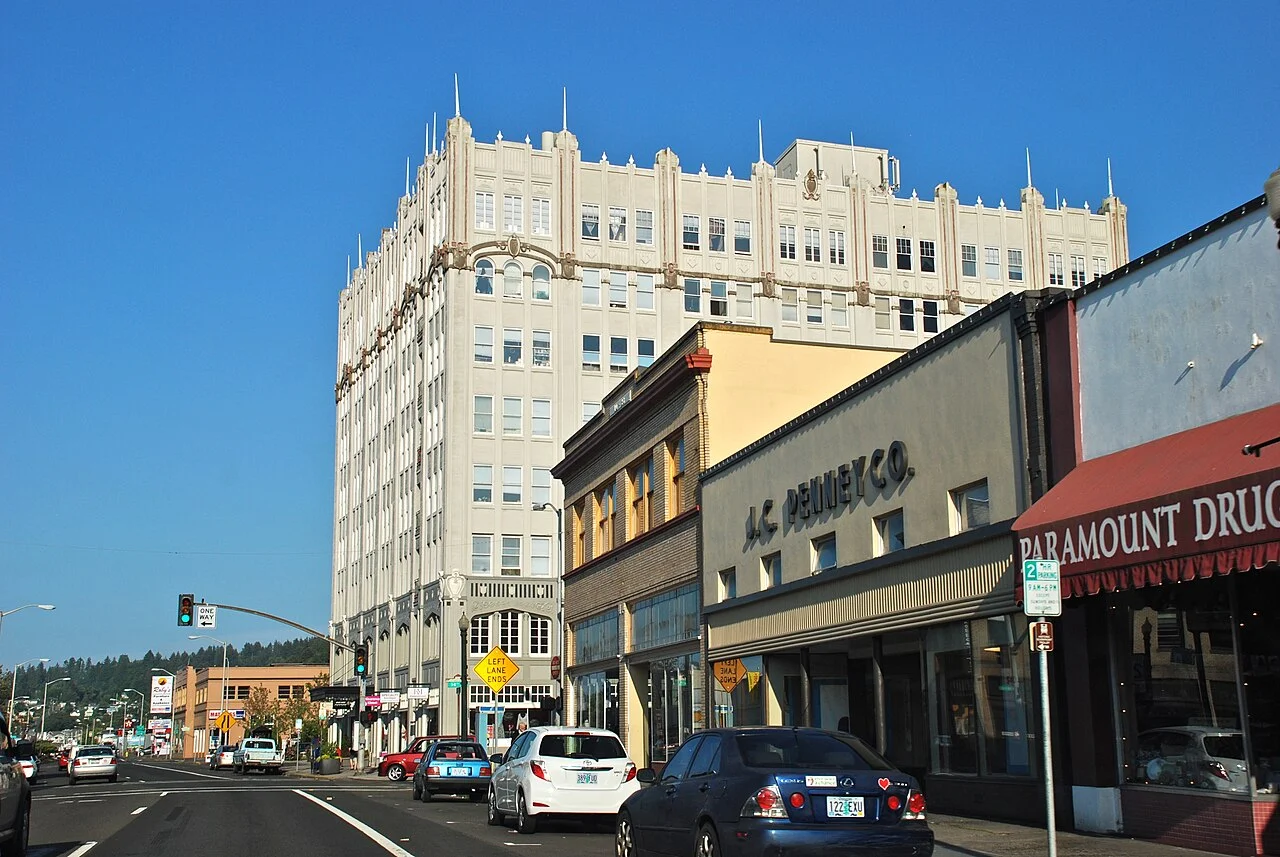
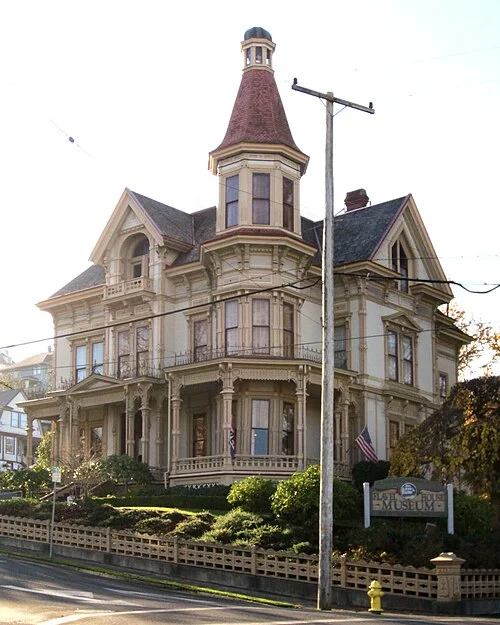
The Flavel House Museum, operated by the Clatsop County Historical Society, is a separate option for the downtown history part of the stay. The society's own account explains how the house was preserved and made into a local history museum. Confirm the current ticket and opening arrangements if you want an indoor visit; viewing a facade and buying museum admission are different decisions. The main house shown in the photograph was captured in December 2011, and its source distinguishes it from other Flavel properties in Astoria. Pair this stop with a limited walk around Commercial Street rather than a second sprawling itinerary. The former Hotel Astoria visible in the street photograph is not presented here as a current hotel recommendation: the file's description explains its later apartment use. Read the two photographs as a comparison of building scales, with an elaborate residential exterior in one and a commercial streetscape in the other. Choose a short loop and mark where you will return to the river. If the indoor programme takes longer, shorten the street walk instead of rushing the museum.

The Riverwalk and a specific albacore meal
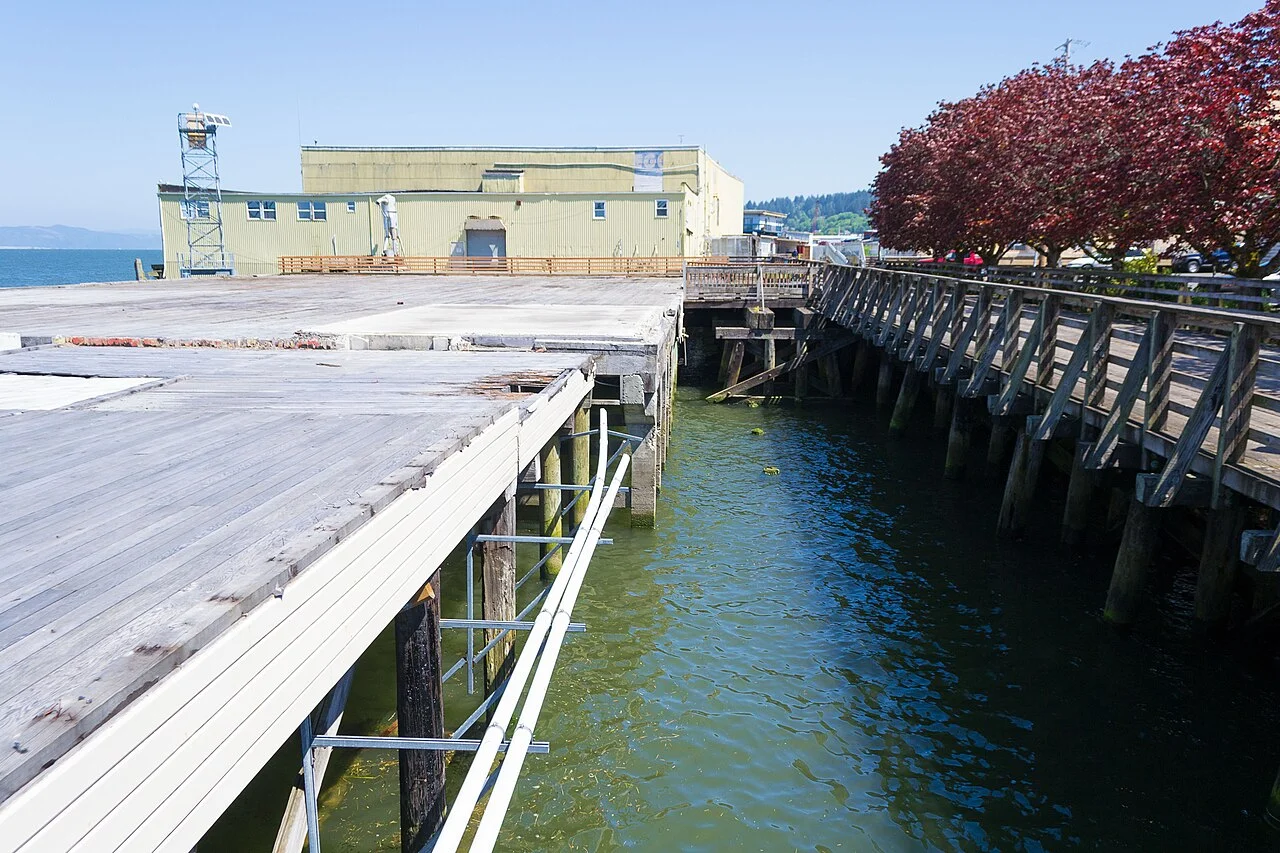
The National Park Service describes the Astoria Riverwalk as a waterfront route following part of a former railway corridor. For this short stay, choose an open section that connects with the museum rather than aim to finish the entire trail. Follow current signs around tracks and piers. Bowpicker's own site identifies its converted fishing boat at the corner of 17th and Duane. The fish and chips described there uses albacore tuna, with a light beer batter, thick steak fries, malt vinegar and tartar sauce. Do not silently change the fish to cod. The operator says opening depends on weather, particularly strong winds, so check that day's operation instead of promising a fixed lunchtime. Thinking of it as a museum-exit meal option is practical, while leaving time to find another open business if the boat is closed. The city photographs included in this guide do not show Bowpicker's plated meal and should not be represented as food imagery. This distinction keeps the concrete menu choice useful without inventing a visual record of the dish.

Where to stay and how to shorten the plan
Compare central addresses around Marine Drive and Commercial Street to reduce repeated transfers between the transit centre, museum and meal area. For a more distant or uphill property, consider how you will return from the water in the evening rather than judge only the appearance of the room. No property's availability or rate has been verified here. Ask about parking, late arrival, luggage storage and checkout before booking. If adding the Astoria Column, use its own official visitor page; the hilltop grounds and the interior staircase do not have the same accessibility conditions. The column is optional in this itinerary. When the second day becomes tight, remove the Flavel indoor visit or the extra hilltop chapter while keeping the maritime museum, a short river walk and the meal. Current information was checked on 5 October 2026. Historic photographs and the operating details observed on official pages should be read separately. Choosing the departure journey at the start, instead of leaving it for whatever time remains, gives this short river-city stay its most useful boundary.