
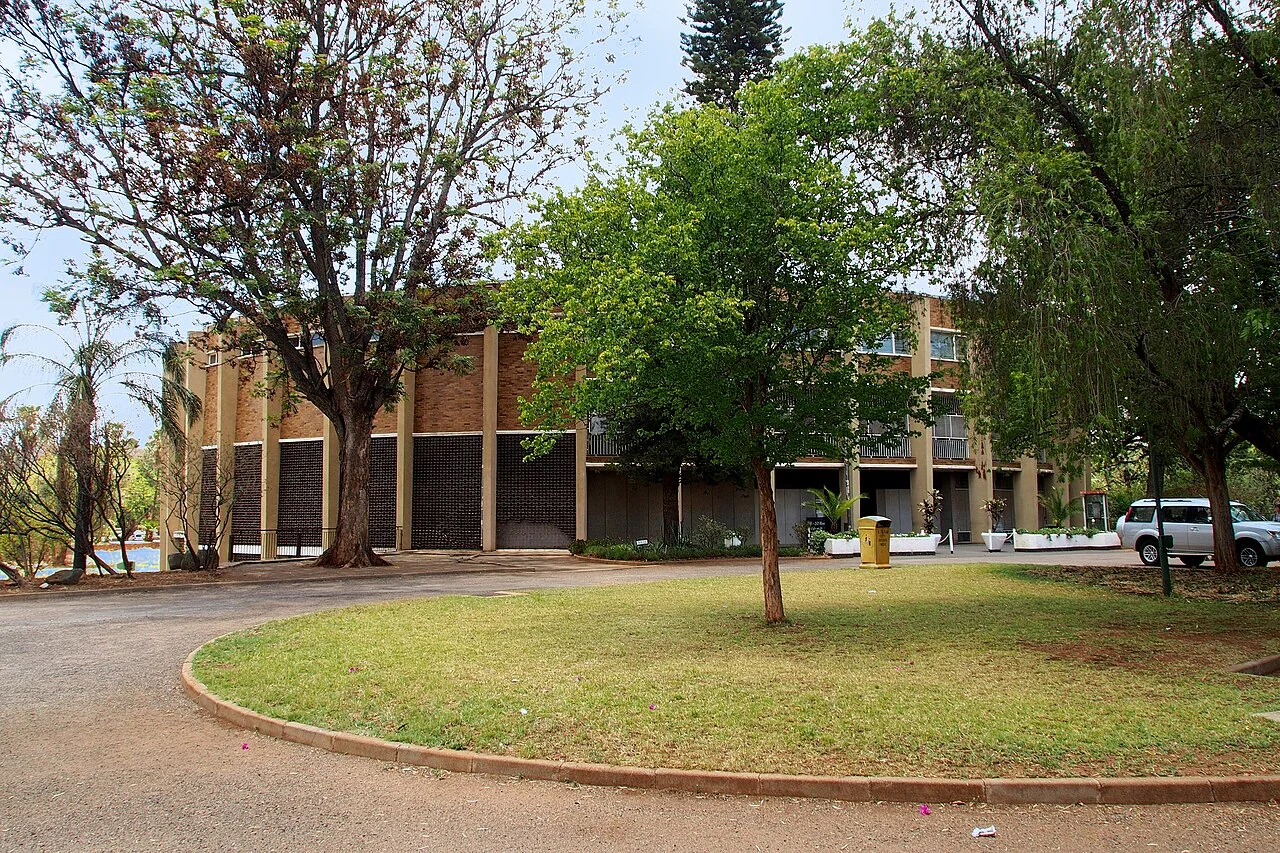
Bulawayo: a science and city day separate from safari
The Tatilmerkezi Stork approaches Bulawayo as a city with its own questions, rather than only a vehicle base. The Zimbabwe country guide uses the city as a gateway for Matobo; this programme instead centres on the Natural History Museum of Zimbabwe and the setting around Centenary Park. With two nights, settle in on the first evening, use the following day for the museum, lunch and a conditional short park pause, then depart the next morning. Flight connections and long road journeys are not counted as sightseeing days. Matobo, Hwange and Victoria Falls are not added to this one-day plan; each needs a separate calendar and transport arrangement.
Choose two questions for a first visit: how has a natural specimen been classified, and how does an urban building relate to surrounding public space? That reduces pressure to complete the entire museum. For families, two sections children can follow may be more useful than equal time at every case. Leave room to ask about scientific labels you do not understand. Lunch and a seated rest belong to the itinerary too; reaching the principal building is not enough to organise a worthwhile city day.
Natural History Museum: start with two gallery questions
The museum's own institutional account identifies natural sciences, geology and human-related collections. NMMZ's regional description distinguishes public galleries from research areas. At admission, ask which galleries are open, what access is possible and what arrangements apply that day. Working or research rooms are not unrestricted visitor spaces. You might start with a mineral or geology explanation, then consider how animal specimens are classified. Choosing two other sections according to your interests is equally reasonable; completing every collection before lunch is not the target.
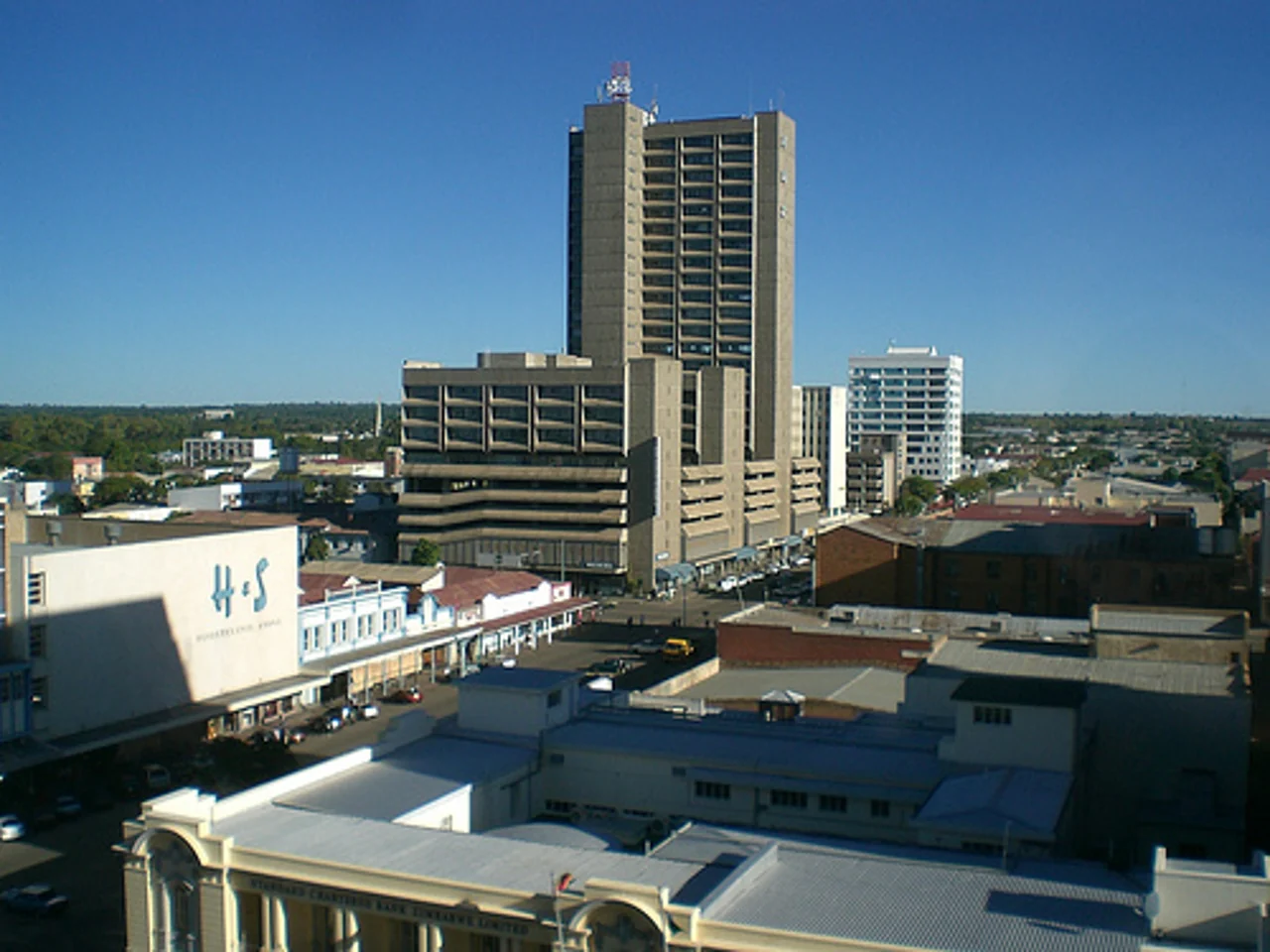

Read where specimens came from, what a date on a label represents and which scientific question the interpretation addresses. Seeing an animal specimen does not mean that species will appear on a wildlife trip outside the city. Ask separately about any live-animal area or special event rather than assume admission to it. Institutional descriptions give differing dates for building and opening history, so the guide does not impose one uncorroborated founding year. Confirm the current charge and hours directly. Discuss photography rules, stairs and rest needs with staff at the beginning, while there is still time to adapt the visit.
Centenary Park: a pause that slows the visit
Bulawayo City Council lists Centenary Park among municipal recreational spaces. After the museum, consider a short pause around the park when current route and area conditions make it suitable. Discuss the usable public section and return meeting with accommodation or a local guide. A green park photograph does not show that every fountain, facility or shaded bench is operating today. Organise supervision of children, sun protection and water separately; no particular event or amusement service is promised.
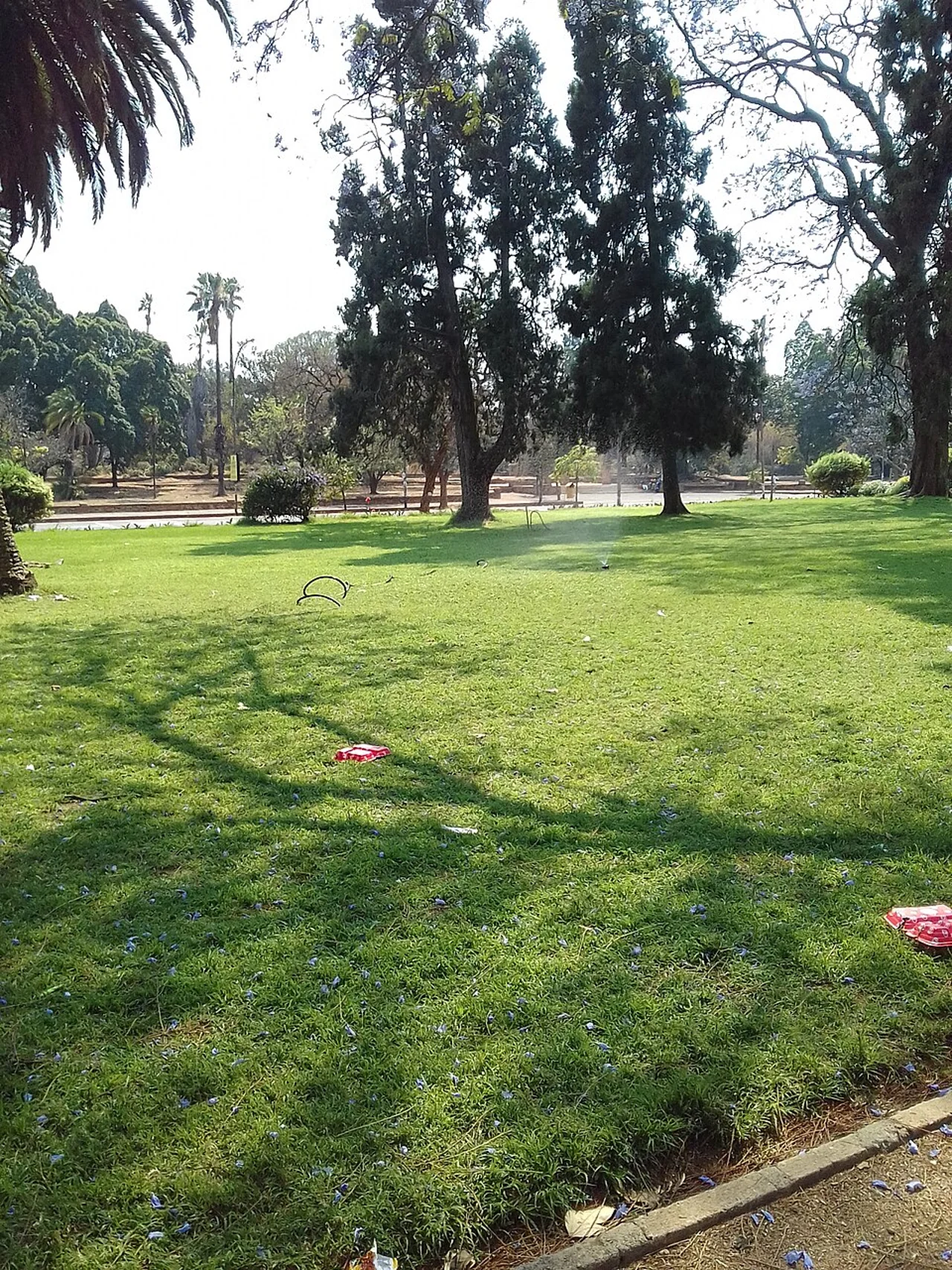

The pause can also help organise what you learned inside. Which gallery introduced a new word? What did an explanation change, and which question would you still like to ask? Make a short note. Move the rest period to another dependable indoor setting if rain, heat or local access makes the park unsuitable. Cancelling that segment does not make the museum day a failure. Observing one public space carefully can create a more realistic first-day rhythm than attempting a long walk across the whole city. This itinerary has an independent purpose even without treating Bulawayo as the starting gate for a rural excursion.
Sadza and maheu: a national food context at lunch
Zimbabwe's Ministry of Tourism names sadza, haifiridzi and maheu in its gastronomy introduction. They should not be presented as foods exclusive to Bulawayo or available in every city restaurant every day. After the museum, a seated lunch can introduce the national food context by asking about sadza and the accompaniments actually offered. UN Tourism's Zimbabwe gastronomy account explains that different grains or flours may be used for sadza; establish the ingredient used that day. A widely recognised name does not imply one universal recipe or serving style.
If maheu is on the menu, discuss ingredients and the form in which it is served, rather than assume it is identical to another drink or suitable for every dietary need. A freshly prepared, clearly understood meal is especially useful before a long transfer. Ask separately about sauces, vegetables and meat where allergies or special diets matter. Confirm price, portion and accepted payment method before ordering; the guide invents neither an exchange rate nor a restaurant charge. Link lunch to the vehicle arranged for a return visit or accommodation. This urban day's food is based on a real menu decision, rather than borrowing a Matobo picnic or safari-lodge meal programme.
A central base and a short street observation
Begin the accommodation decision with access to the museum and lunch address, the purposes of this day. An advertisement for a central room does not establish a quiet entrance or appropriate walking conditions. If choosing another neighbourhood, discuss the morning museum journey and evening return. Ask what arrangements exist for interruptions to water or electricity, charging a phone, cooling and stairs. These practical details evaluate a night and the following visit better than a building photograph alone.
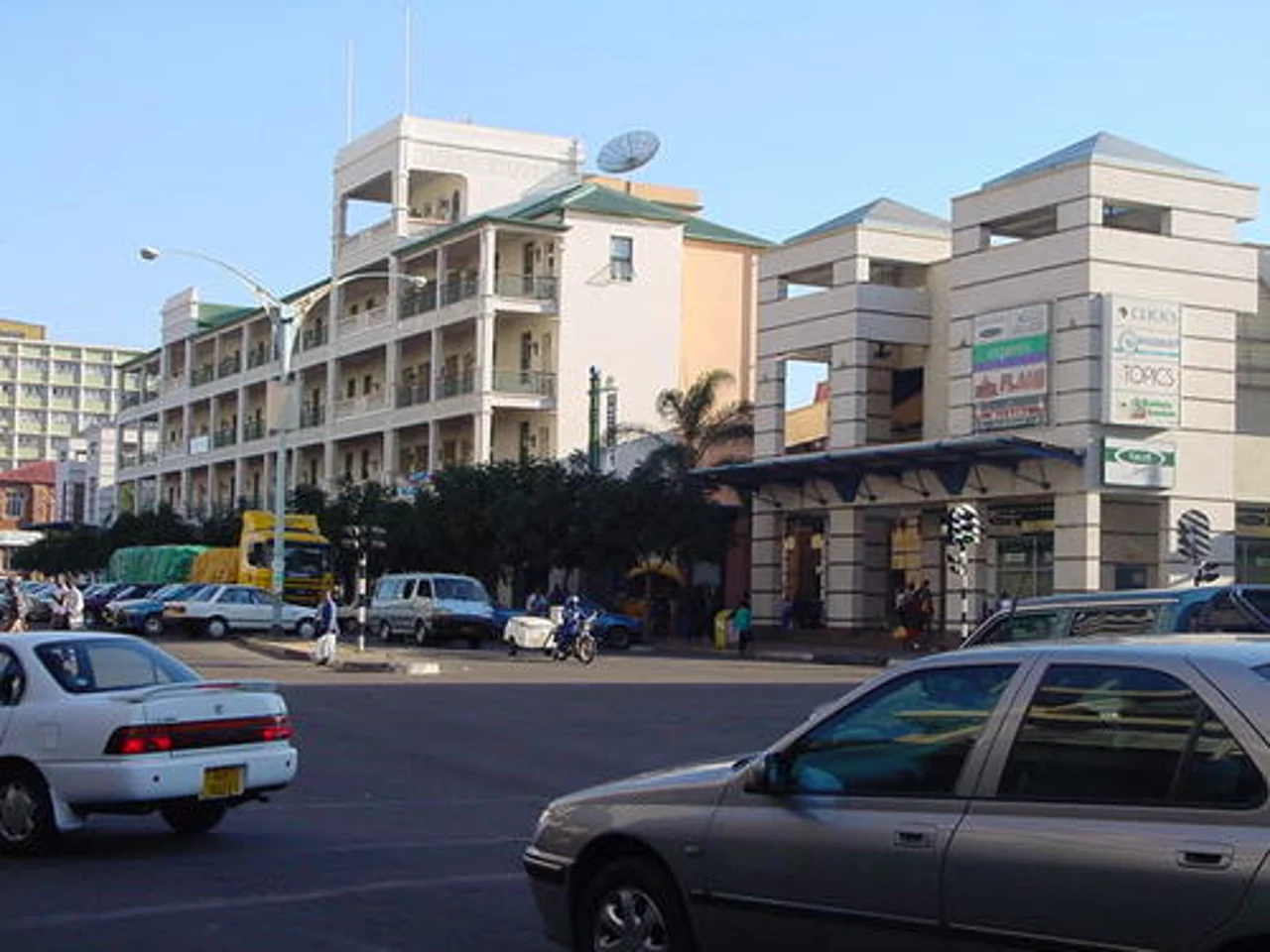

For a short daylight street observation, select a route using current local advice. A broad intersection or commercial frontage may be enough to consider urban scale; it does not establish that the entire area is suitable for walking. Do not assume a photographed shop still offers the same products or operates under the same name. The intersection image taken during the January 2019 shutdown is a dated urban record, not normal 2026 traffic evidence. Learn permission rules before photographing people or official premises. Returning to accommodation instead when crowds, demonstrations or road disruption affect the segment does not diminish the value of the day.
Airport arrangements, daylight return and condition checks
Airports Company of Zimbabwe identifies Joshua Mqabuko Nkomo International Airport for Bulawayo. Check the airport name, actual route and connections when buying a ticket: an airport introduction is not evidence of a particular daily flight. Agree the collection point, vehicle and delay contact with accommodation. For onward road travel, plan departure and daylight arrival together. An additional night may be more comfortable than attaching a hurried long transfer to the museum afternoon. Record where luggage will be left and collected.
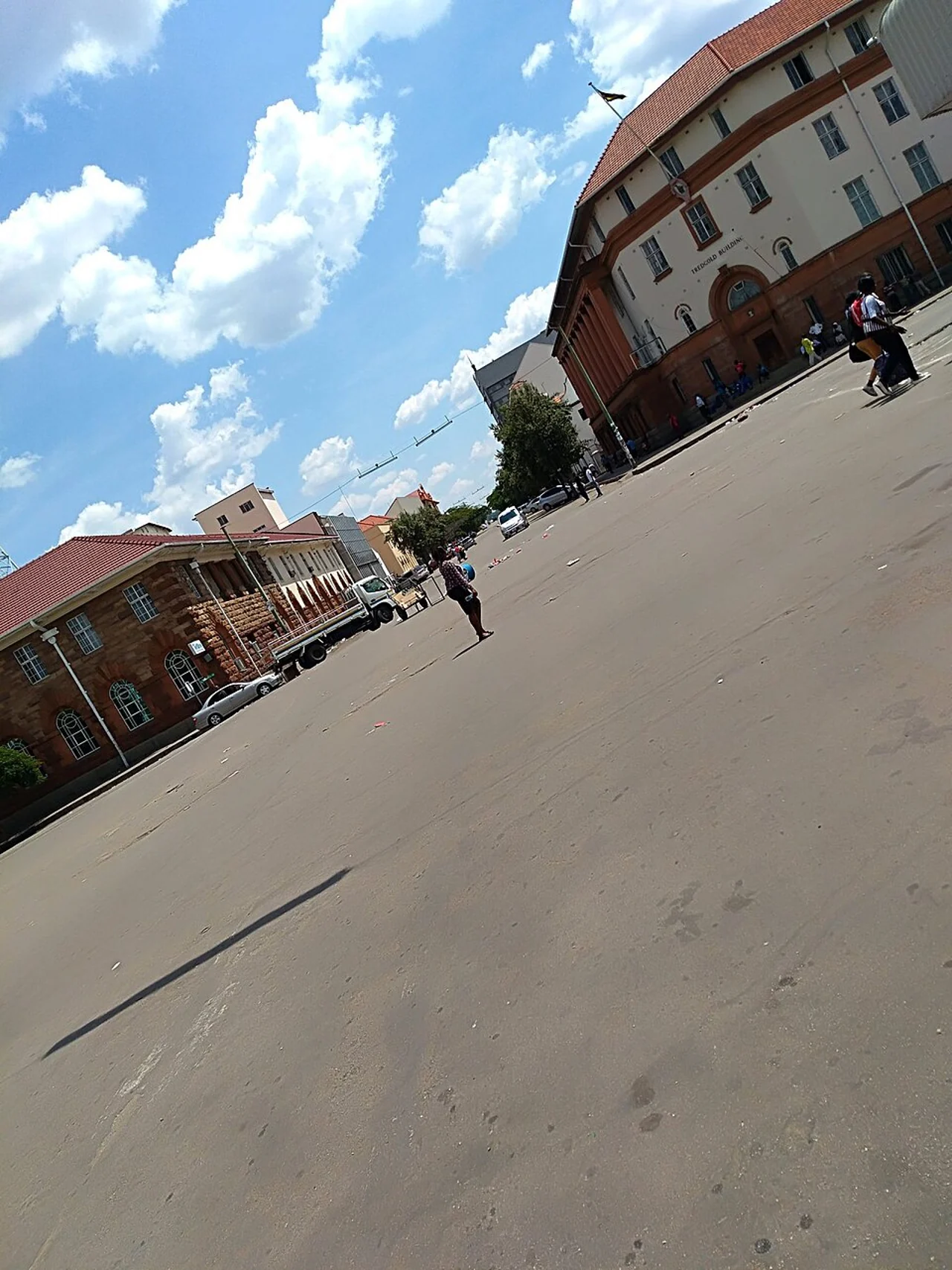

FCDO information checked on 4 October 2026 addresses demonstrations, precautions for night walking and driving, and preparations for water and electricity interruptions. Consult your own authorities and insurance terms as well; this city day is not a safety guarantee. Establish official entry conditions for your passport instead of applying a rule issued for another nationality. Reduce the museum day, park pause or lunch plan according to local conditions. The Stork hopes you carry away one scientific question and one urban question: a meaningful relationship with Bulawayo does not require rushing to a safari.