
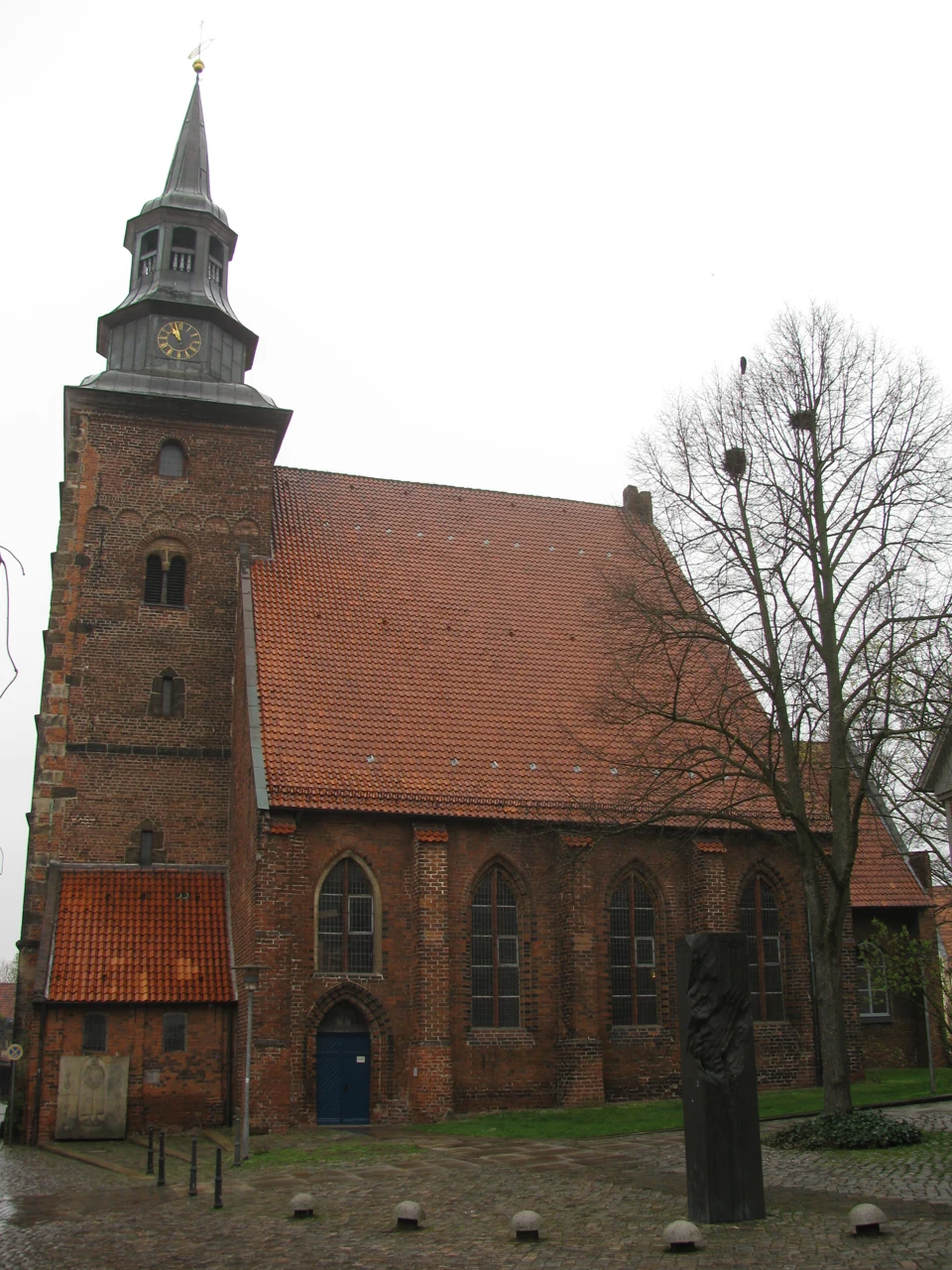
Verden works best when its cathedral quarter, everyday shopping streets and horse museum receive separate pieces of the day. The town on the Aller is strongly associated with horses, but that does not make a visit a riding excursion. A useful first itinerary begins with the Dom and its surroundings, continues through the centre for lunch, and gives one museum an unhurried afternoon. Visitors hoping to see both museums need a little more planning because the local-history museum closes for a midday interval on weekdays. This guide is arranged around that practical distinction rather than a long list of buildings to collect.
From the station to the cathedral quarter
Use DB's Verden (Aller) station page for current platform and journey information before beginning the walk. The Holzmarkt area provides an early orientation point and lets you locate the horse museum without having to enter immediately. Check the return connection once at arrival, then put the phone away for the first section of the outing. If staying overnight, ask your accommodation about leaving luggage before check-in. Even in a compact town, carrying bags all day changes how comfortably you can stop and look at facades. Walking allowances in this itinerary are suggestions, not guaranteed connection times.
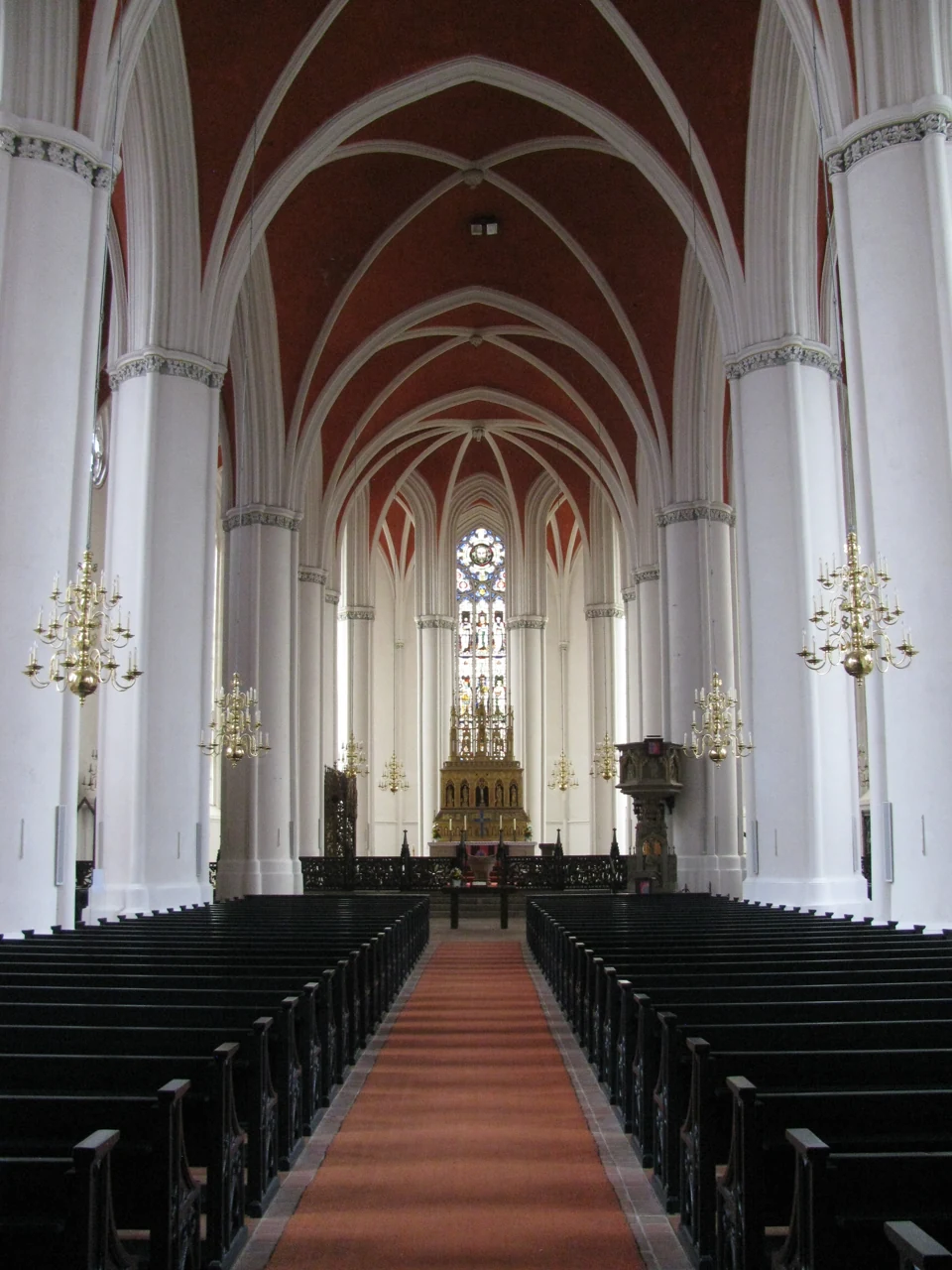
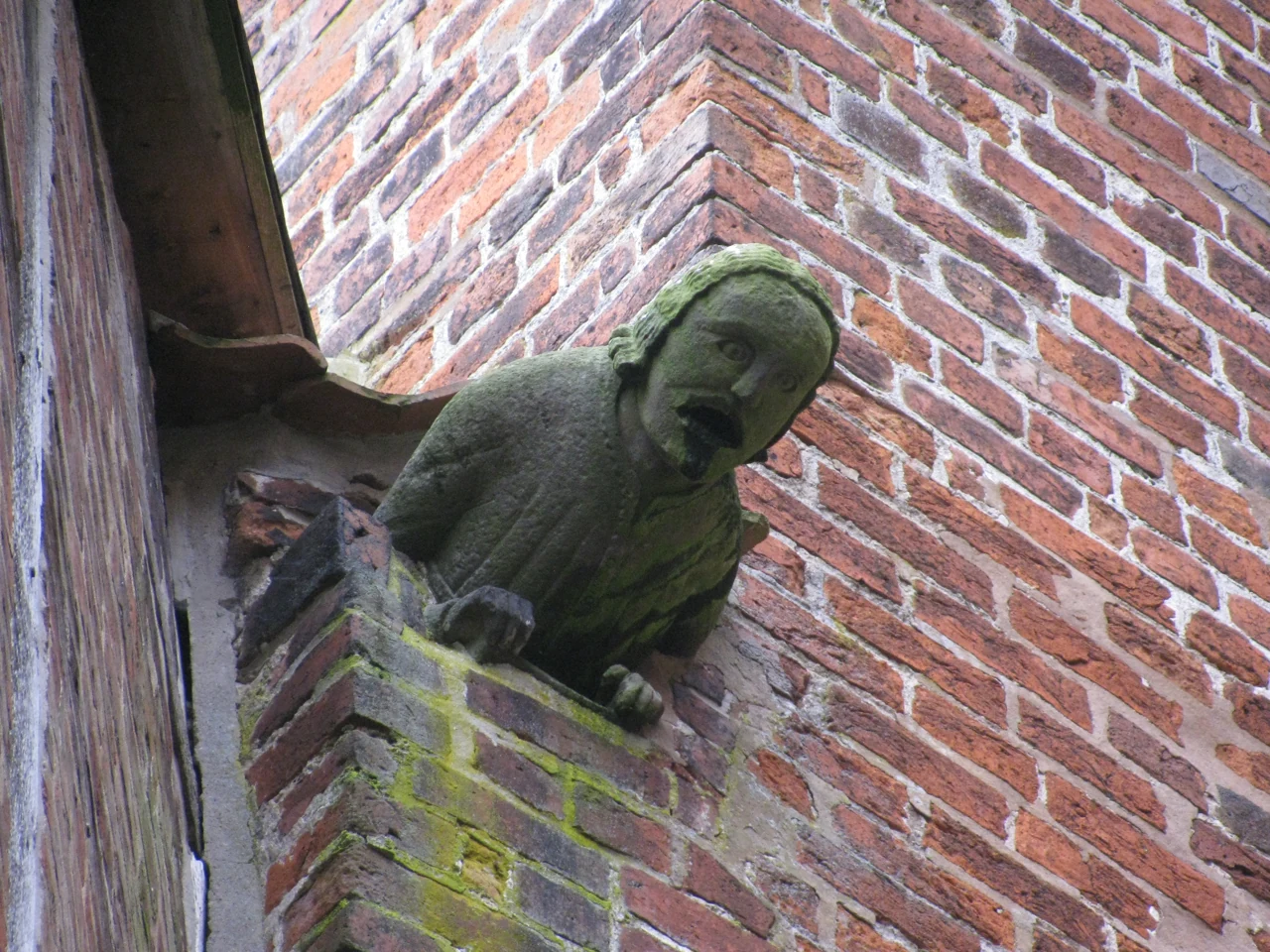
Approach Dom St. Maria und Cäcilia slowly enough to see its overall scale against the lower surrounding buildings. A wide view comes first; the closer inspection of stone surfaces, windows and small carved figures can follow. You do not need a story for every sculpture to enjoy the contrast between a monumental church and its smaller details. For photographs, separating one broad composition from one close architectural observation produces a more useful record than repeatedly photographing the same frontage. Leave an easy path for other visitors rather than stopping directly at the entrance. The exterior remains a worthwhile part of the route even when a service limits entry.
Dom and Domherrenhaus: arrange the hours carefully
The cathedral parish publishes visitor hours of 9am–5pm from March and 9am–4pm from November. Tourist visits are not possible during services and events. Contact the parish beforehand if seeing the interior is the main reason for a special journey. Once inside, take time to understand the main space before concentrating on individual windows or stonework. A quiet half hour is a useful personal allowance, with more time for a booked explanation. The parish's information volunteers also offer guided visits by arrangement. A church visit should fit around the building's religious use, and not depend on entering at precisely the same moment as a congregation arrives.
The nearby Domherrenhaus local-history museum is at Untere Straße 13. Its weekday timetable is Tuesday–Friday, 10am–1pm and 3pm–5pm; Saturday and Sunday visits run from 11am–5pm. Mondays, public holidays and specified end-of-year dates are closed. This makes the lunch interval a genuine itinerary consideration: on a weekday, visit before 1pm or place the museum after the meal and river walk. Its subject is the town's history, a different focus from the horse museum. The operator also offers a combined ticket, worth asking about if you actually intend to enter both. A combined option does not require adding a second museum to an already comfortable day.
Große Straße, St Johannis and the Aller
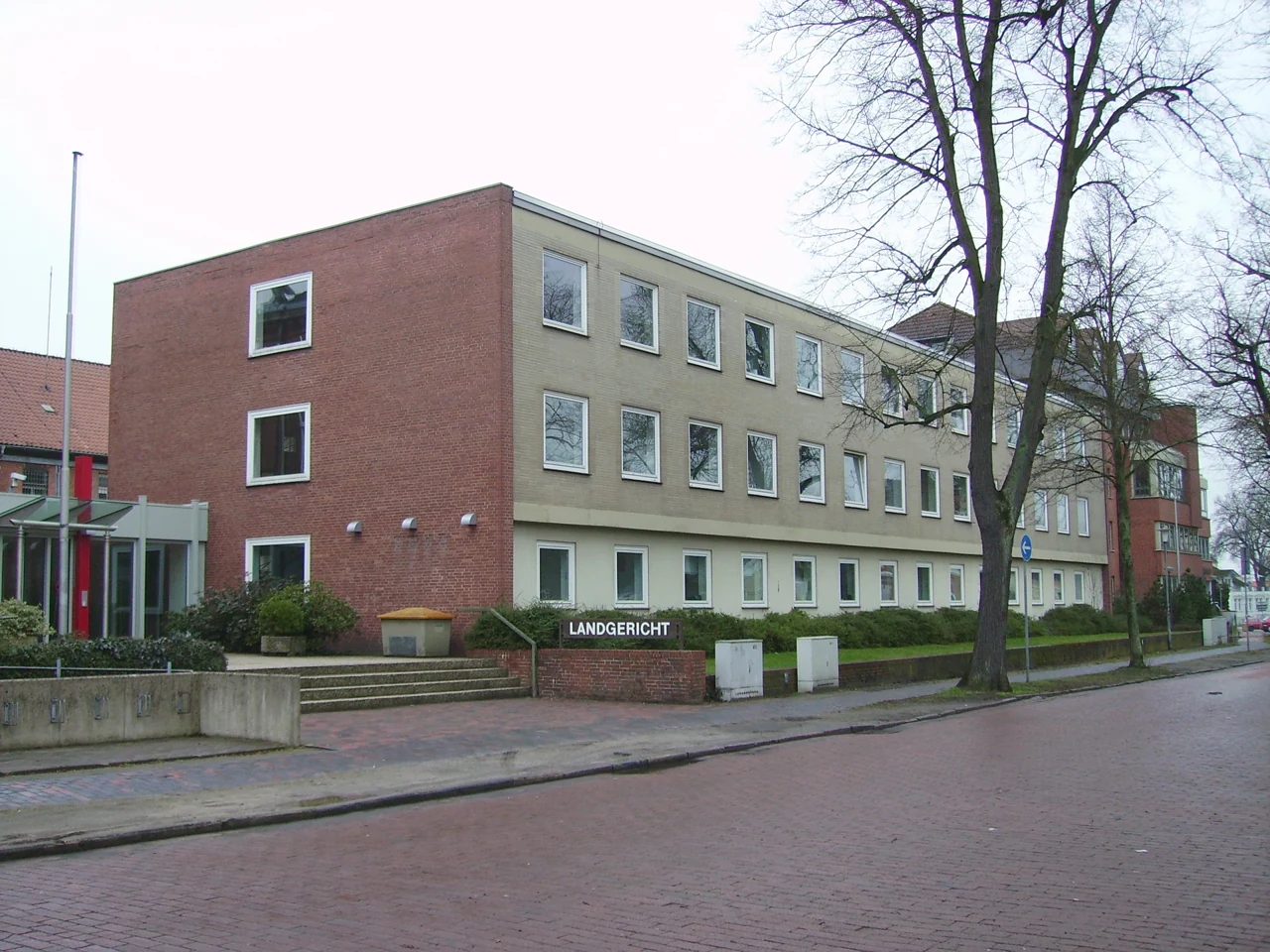
Continue through Große Straße to move from the cathedral setting into the town's ordinary commercial centre. Allow about an hour for shopfronts, short side streets and the area around the Rathaus, with breaks according to the weather. St Johannis offers another exterior observation rather than an obligation to add a second church interior. The Landgericht frontage gives the walk a further architectural contrast. Treat it as a building seen from public streets rather than assuming a sightseeing tour inside a working court. Some of the most rewarding pauses in a small town involve simply standing back far enough to compare a facade with its neighbours.
A short Aller-side walk changes the rhythm of the outing. Instead of searching for more landmarks, observe how the river edge relates to the built town. Choose a manageable section and return along the same route if that keeps the afternoon straightforward. There is no need to cross every bridge or turn a city visit into a long riverside hike. Shorten the outdoor section in wind or wet conditions, and leave cycle routes clear when taking photographs. For a family, this provides movement between two indoor stops; for a solo visitor, it provides a quiet interval before reading another exhibition. Plan the duration around the train rather than assuming any pleasant river path can be followed indefinitely.
Horse history, a proper meal and a central overnight base
Deutsches Pferdemuseum at Holzmarkt 9 is open year-round Tuesday–Sunday, 10am–5pm. It concerns the cultural history of the horse. A normal museum visit should not be confused with a booked riding lesson or a daily live equestrian show. Around ninety minutes is a reasonable personal allowance for engaging with the displays rather than passing quickly through them. Dogs are not admitted, an important practical point for travellers organising an outing with a pet. On an ordinary Monday, build the day around exterior architecture, central streets, the river and lunch rather than counting on either museum to be available.
For a seated main meal near the Dom, Domschänke operates at Lugenstein 11–13. Its published menu includes chicken breast with thyme jus, sugar-snap peas, cherry tomatoes and potato wedges seasoned with sea salt and rosemary. A plant-based option is spaghetti with chard, cherry tomatoes, chilli, garlic, olive oil and vegan cheese. Some other dishes include bacon, including the potatoes accompanying the beef steak, so discuss ingredients if avoiding pork. Confirm the selected meal's availability directly when booking. Leave roughly an hour to sit down and eat rather than allowing lunch to become an unspecified coffee stop squeezed between museums.
AKZENT Hotel Höltje on Obere Straße is an actual accommodation option in the historic centre. Staying overnight lets you separate an evening river stroll from the next day's museum visit. Check the room, breakfast arrangements and arrival procedure for your dates directly with the hotel. For a day trip, the Dom, one museum, the central walk and a substantial meal already form a satisfying whole. Finish the last riverside pause with enough time to return to the station comfortably. Verden's manageable scale is most useful when it allows you to look carefully, rather than when it encourages squeezing every possible stop into the final hour.