
Two days in Fukuoka work well when Hakata’s streets and the western park and waterfront districts get separate space in the itinerary. Spend the first day around Kushida and Nakasu, with a proper ramen meal, then use the second for Ohori Park and the Momochi area. Tenjin adds a flexible stop when the weather changes rather than another attraction you must complete. This plan leaves time to wait for lunch, sit beside a pond and find the correct station exit without rushing. Visiting details and operating information were checked against official sources on 9 October 2026.
Day one: Hakata streets and Kushida Shrine
If you arrive at Hakata station, leave your luggage before setting out and learn which exit faces your accommodation. In a large station, the exit name can matter as much as the apparent walking distance. Make the first substantial walk around Kushida Shrine, combining the courtyard with neighbouring streets rather than treating the shrine as an isolated photograph. Do not assume every doorway is open to visitors. If a service or ceremony is taking place, step aside and give participants space. Check signs before photographing interiors, especially in small sacred spaces where your presence is more noticeable.
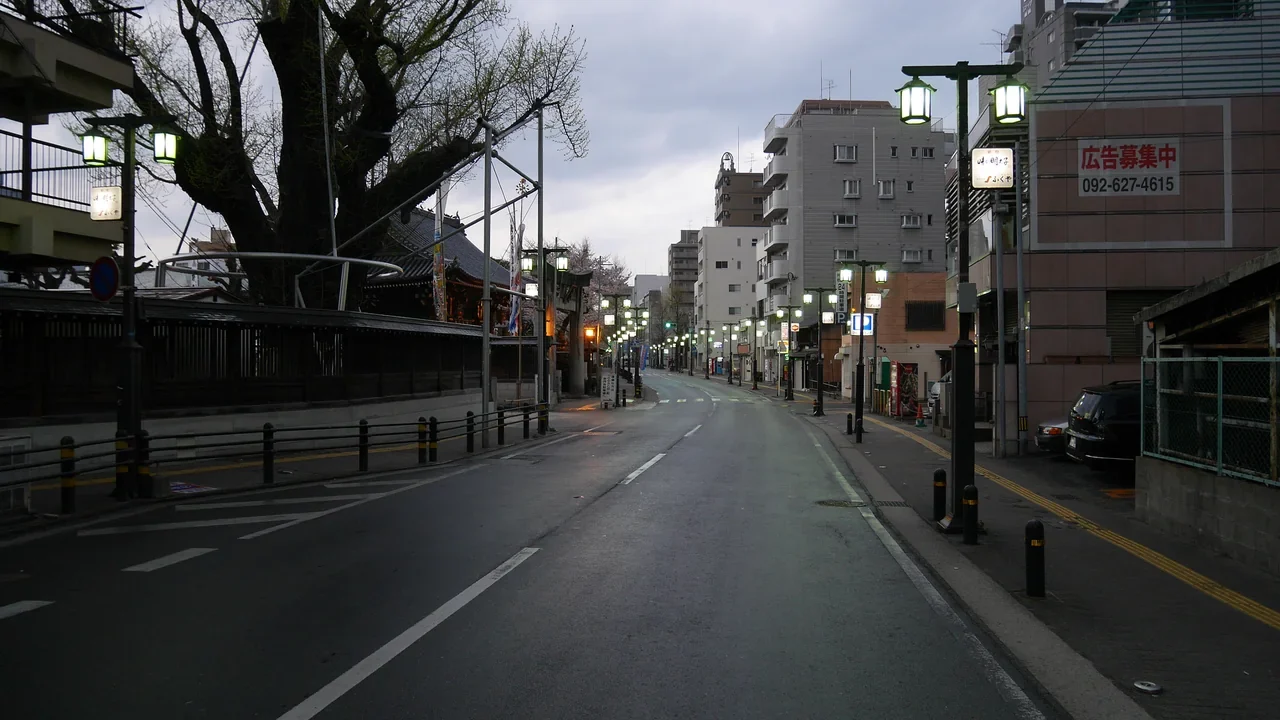
Fukuoka’s official tourism guide describes Kushida as Hakata’s tutelary shrine and explains its connection with the Hakata Gion Yamakasa festival. Its address is 1-41 Kamikawabata-machi. You do not need to coincide with a festival for the visit to be worthwhile; the ordinary courtyard and surrounding neighbourhood are enough for a rewarding morning. Walk slowly rather than moving straight from one landmark to another. If rain arrives, bring lunch forward instead of waiting outdoors for conditions to improve. The Hakata street photograph in this guide is an archival view from 2017, not a record of today’s exact shopfronts.
A substantial lunch at ICHIRAN Souhonten in Nakasu
A specific meal option is ICHIRAN Souhonten in Nakasu. A bowl of Classic Tonkotsu Ramen provides a main meal, with extra noodles available if you want more. Tonkotsu is a pork-bone broth, so this choice will not suit every dietary preference. Ask the restaurant directly about ingredients and allergens when these affect what you can eat. A long queue is a reason to rearrange the order of your nearby walk, not necessarily to spend the rest of the day hurrying. Keep enough flexibility for a meal you can actually enjoy.
The branch’s own page lists 5-3-2 Nakasu, a base ramen price of JPY 1,080 and 24-hour operation, while warning that staffing can cause sudden changes. Extras and a late-night surcharge can change the final bill. This is not the Hakata Sunplaza branch near the station: ICHIRAN’s closure notice says that branch ceased operating on 27 September 2026. Save the full branch name and address together rather than relying on an old map listing or the brand name alone.
Tenjin: a flexible stop when the weather changes
Continue towards Tenjin if you want a different urban setting without extending the day too far. Its underground shopping area can be a place to pause, find your bearings and escape a shower, even if shopping is not the main purpose of your trip. Note the building name and exit number for your next destination; an underground network is less confusing when you have a clear surface landmark. Exploring after checking into your hotel is also easier than negotiating busy passages with a large suitcase. The older photograph here illustrates the space’s architecture, not a promise that the same businesses remain.
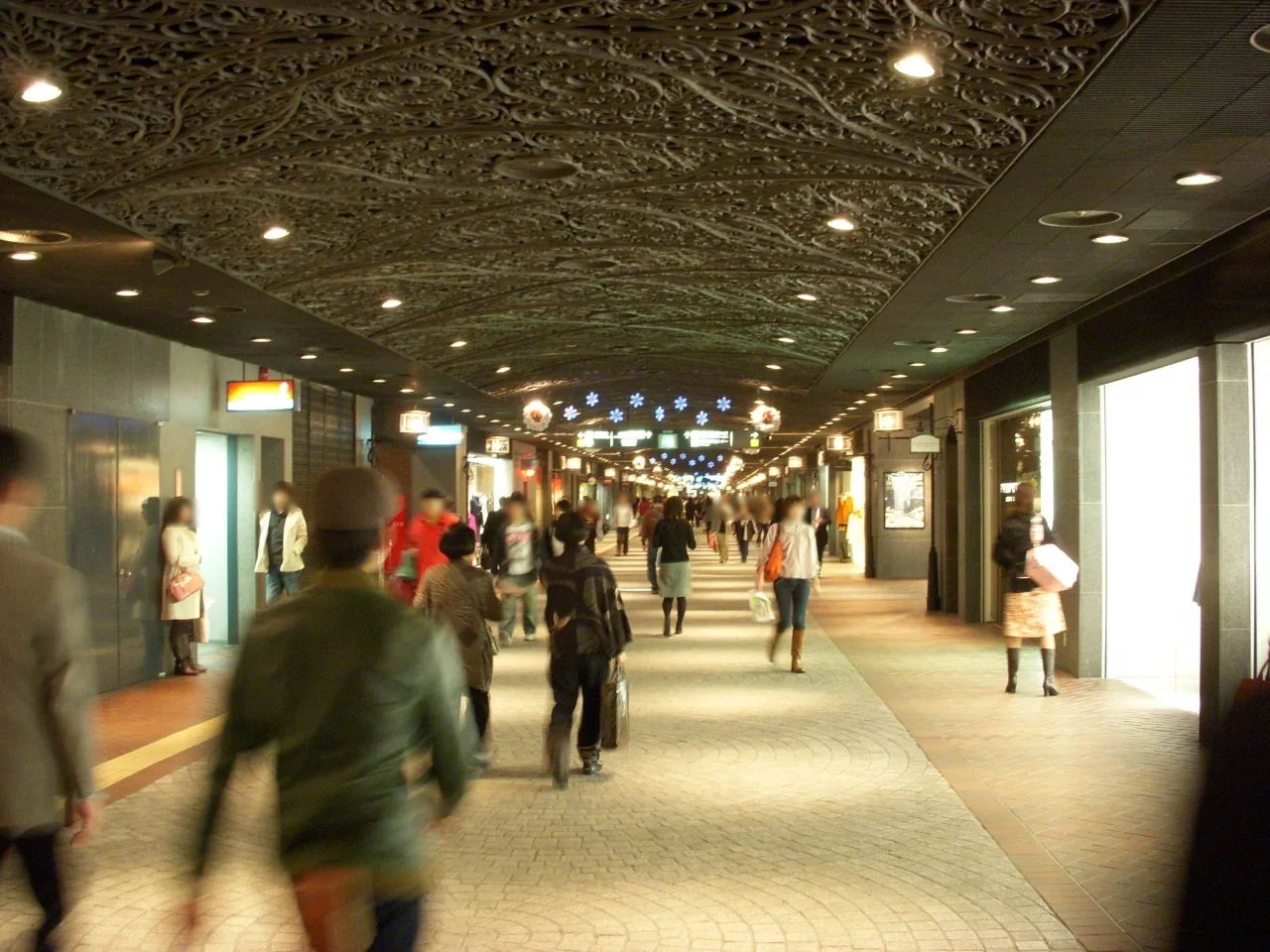
Tenchika’s operator gives general shop hours of 10:00–20:00 and restaurant hours of 10:00–21:00, with individual exceptions. An open passage does not mean every shop is open. If browsing has little appeal, keep this stop short and use the remaining time for an evening walk. Leaving out a stop when you are tired may improve the following morning more than completing a checklist would. There is no need to turn every spare hour in a two-day visit into another paid attraction or queue.
Day two: Ohori Park and the Japanese garden
Begin beside the pond in Ohori Park. Bridges and small islands provide a natural direction for a walk, but completing the entire circuit is optional. The park operator explains that walking, jogging and cycling areas are separated around the pond. Look behind you before stopping abruptly for a photograph. Families can leave generous gaps for rests, and a quiet spell beside the water can be as enjoyable for adults as for children. Do not make a boat ride essential: weather and operating conditions may prevent it.
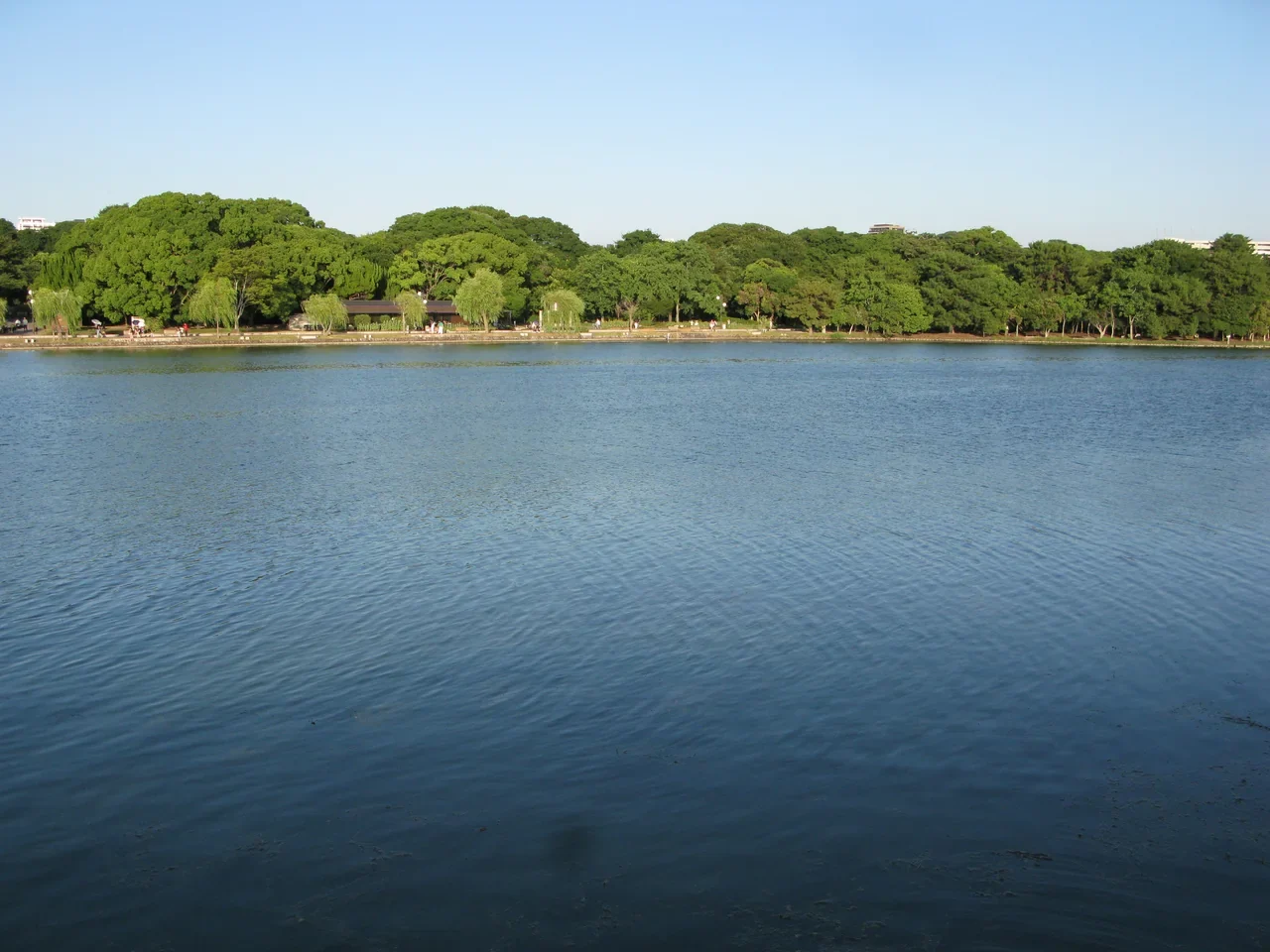
The Japanese garden has its own admission and opening arrangements. Its current official page lists adult admission at JPY 250, opening 09:00–17:00 from October to April and 09:00–18:00 from May to September, with entry ending 15 minutes earlier. It closes on Mondays, the following day when Monday is a public holiday, and from 29 December to 3 January. These restrictions apply to the garden rather than the whole park. If it is closed, the pond walk can remain in your itinerary. Tea-room use is not automatically included in an ordinary visit; check separate event or reservation arrangements.
Momochi: the city museum and Fukuoka Tower
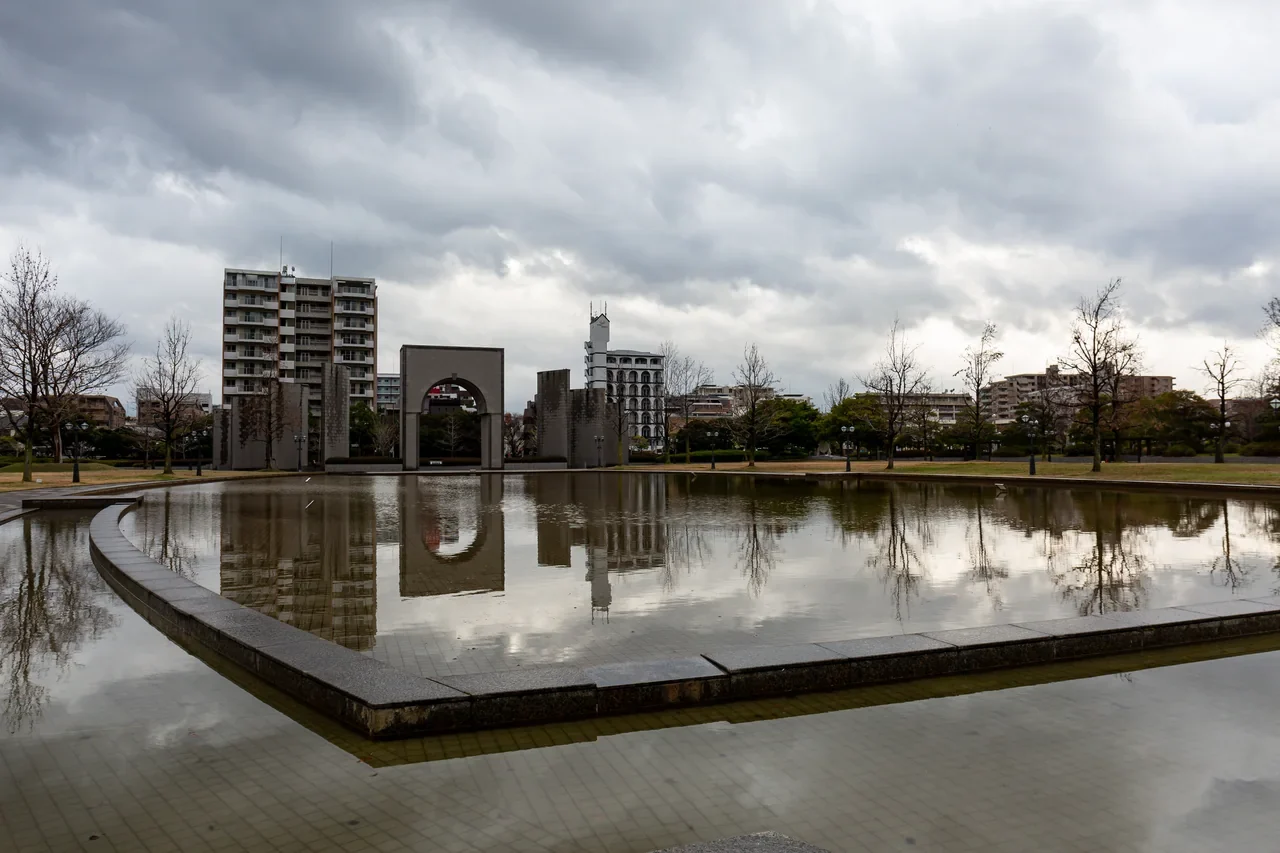
Before continuing to Momochi, decide whether the museum or the view matters more to you. For Fukuoka City Museum, consult the museum’s current notices: some exhibition rooms are closed for renovation, and work also affects the approach. General hours are 09:30–17:30, with last entry at 17:00; the usual closure is Monday, or the next weekday when that falls on a holiday. The 2019 forecourt photograph is archival and does not show the current access arrangements. If the available exhibitions do not interest you, leave that time for the waterfront instead.
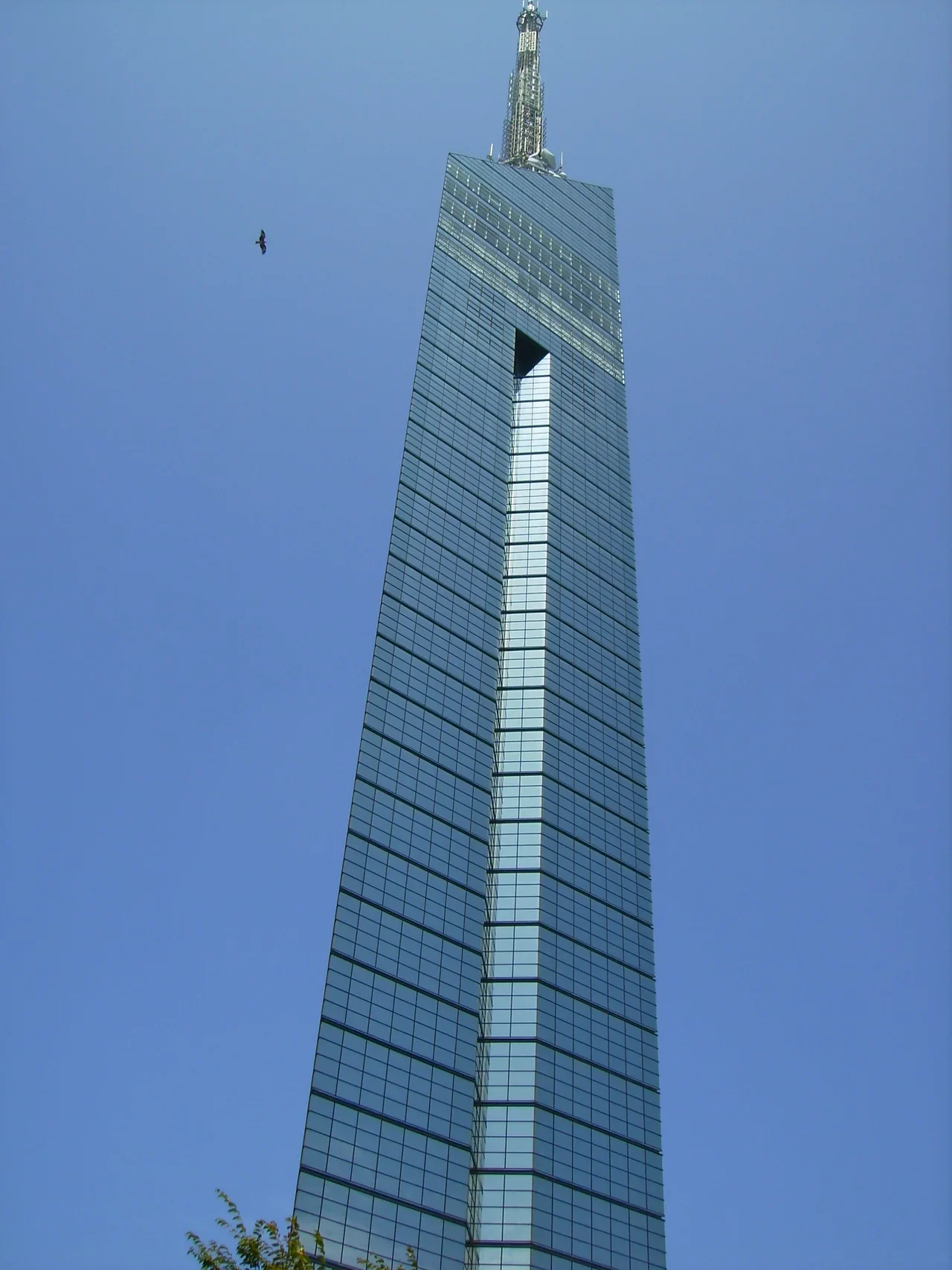
Fukuoka Tower’s official site gives hours of 09:30–22:00 and last entry at 21:30, which can be brought forward when it is crowded. Check visibility and the current admission price before deciding to go up. Seeing the tower from outside is a valid alternative. Visiting the tower and walking extensively along the Momochi waterfront are different commitments of time, so allow for the return journey and dinner. In windy conditions, you may prefer a shorter coastal stop than the map suggests.
Airport connections, metro tickets and a real hotel option
The airport operator confirms that the subway station connects directly with the domestic terminal; international-terminal passengers need the free inter-terminal shuttle connection. Do not calculate the full arrival journey from train time alone. The municipal subway day pass costs JPY 640 for an adult and covers subway lines only. A ticket bought from a machine is valid on its purchase date, not for a rolling 24-hour period. Compare it with your expected individual fares if the day involves few journeys.
A concrete accommodation option is JR Kyushu Hotel Blossom Hakata Chuo. The operator describes a location about two minutes on foot from Hakata station’s Hakata Exit, at 2-2-11 Hakata-ekimae. Check the full property name when booking because similar Blossom names can be confusing. Compare rates alongside breakfast, cancellation conditions and total taxes. The location makes it worth considering if you are continuing by train or want to reduce luggage transfers; that does not make it the cheapest choice for every budget. Include the journey to the second day’s western stops when deciding where to stay.