
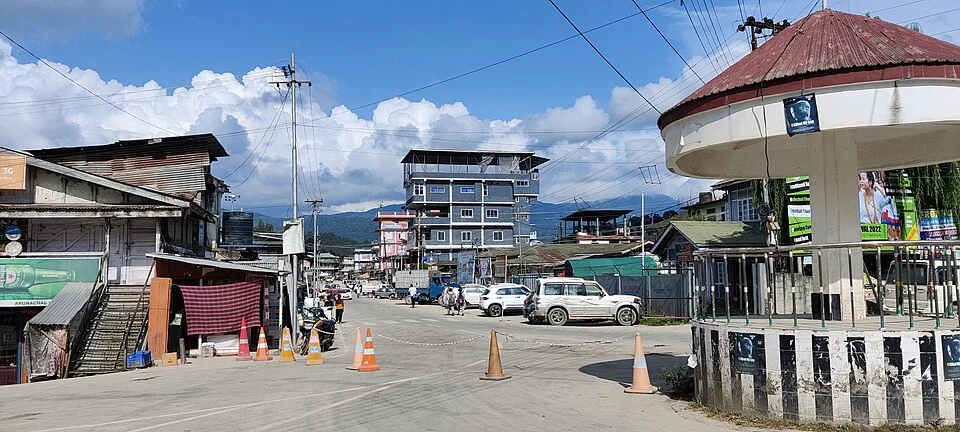
Itanagar: three nights and two different visiting days
The Tatilmerkezi Stork does not present the capital of Arunachal Pradesh as a compressed summary of every mountain route in the state. This plan has four calendar days, three nights and two complete visiting days: rest after arrival, urban heritage and a selected cultural focus, a separate suitable lake pause or quieter city time, then departure. Keeping one accommodation address avoids resettling with luggage between each part. The reader need here is not to collect Ziro, Tawang and distant valleys consecutively. It is to consider the capital's brick remains, cultural visit and nearby open-air option at their own scale. Road and permit conditions make a longer state journey a separate preparation. Treat these three nights as an opportunity to leave real time for the city rather than mark the largest possible number of places on a broad map.
Permission: an Indian citizen and a foreign passport use different processes
Official Arunachal visitor information separates eILP for Indian citizens from PAP/RAP channels for foreign visitors. The Itanagar district administration has also published 2026 guidance on enforcement of the Inner Line Regulation. Use the responsible channel for your passport, intended scope and dates; a tourism page is not an approval. An older summary's duration or health condition should not be repeated without checking current guidance. This article does not turn pandemic-era vaccination text on an older page into an automatic present-day entry rule. Consider the application, actually permitted area and accommodation plan together. Staying in the capital does not remove the need to establish state-entry arrangements. Approval or processing time cannot be guaranteed here. Resolve the documentation position first, then settle transport and visitor details accordingly, with the actual permission and route consistent.
Arrange the arrival point and full accommodation address together
Separate the actual landing or arrival point from the final city transfer when arranging Itanagar transport. An airport described as nearest in an older promotion does not explain every current connection. Use the airport or station and operator information relevant to your ticket dates, then match the last vehicle approach to the accommodation address. If considering a connection through Naharlagun, verify its actual location and the route to the hotel independently. Three nights in one room help keep the city and lake days separate without changing the arrival arrangement. Depending on travel tiredness, a nearby meal and the following day's meeting details may be enough for the first evening. Learn the vehicle approach, remaining steps and luggage arrangements. A room advertised with a view does not prove that every stop joins comfortably on foot; include the departure connection allowance in the choice of address from the beginning.
Ita Fort and Jawaharlal Nehru Museum: the first complete day
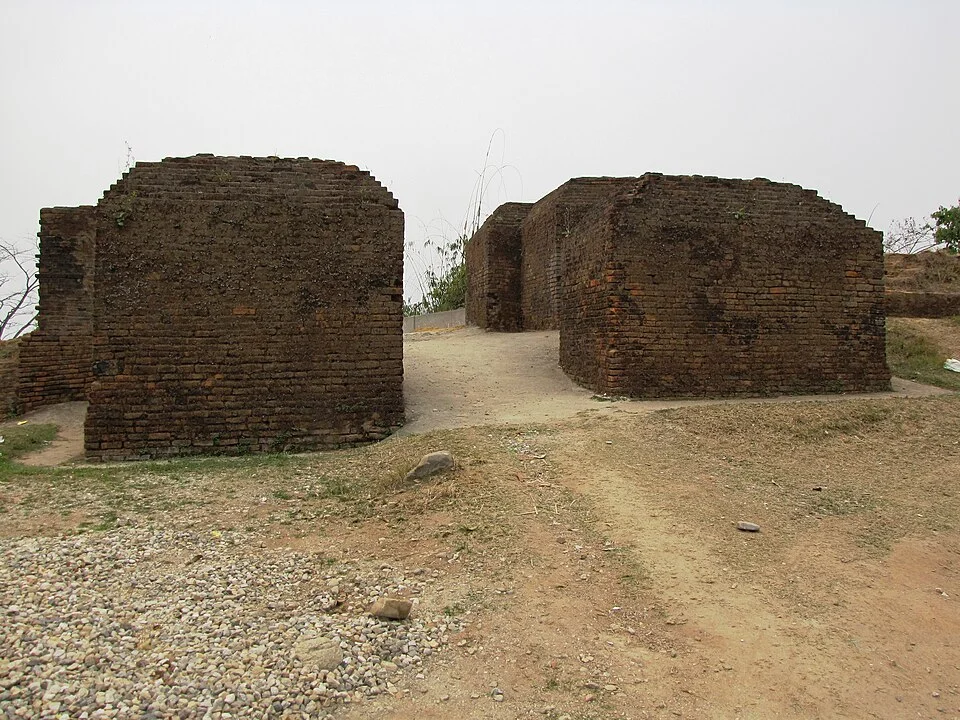
Place Ita Fort's remains into the first complete day as a distinct heritage focus. Expect surviving brickwork rather than furnished rooms of an intact palace, and learn the current entry and circulation boundaries locally. Do not climb fragments or cross conservation lines for a photograph. If the Jawaharlal Nehru State Museum suits your interests, arrange a cultural visit around the sections actually open and its photographic directions. You need not turn the morning into a task of finishing every collection and surrounding stop. Observing the scale of a former structure and reading museum presentations of communities require different rhythms. Position lunch according to the vehicle and walking approaches for these two focuses. This guide does not use modern museum display figures with uncertain underlying rights to illustrate the institution. Rules for visiting and making photographs belong to the museum, not to the availability of an image online.

Gompa surroundings: separate the view from the worship area
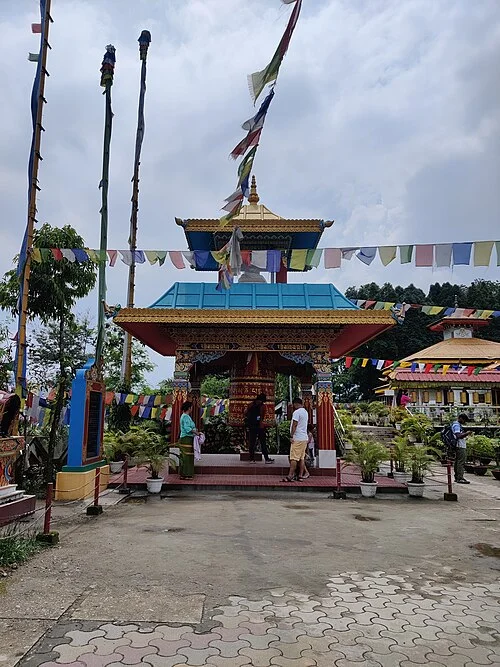
The district visitor record places Gompa in a hill setting in the direction of the museum. A short visit after the cultural focus can be considered when energy and actual access allow, without assuming every interior is open to tourists. Learn footwear, dress and photography directions on site. Do not reshape the space used by worshippers to fit a visitor's desire for a view. An appropriate exterior look and a quiet pause may be meaningful without a lengthy interior visit. If steps or weather make this addition difficult, omitting it is enough. A day of remains and a selected cultural visit can finish with a more comfortable nearby meal. There is no need to collect every building on the hill. A colourful entrance in a photograph does not establish that all visitor services operate at a particular hour today.

Gyakar Sinyi: a separate lake pause on the second complete day
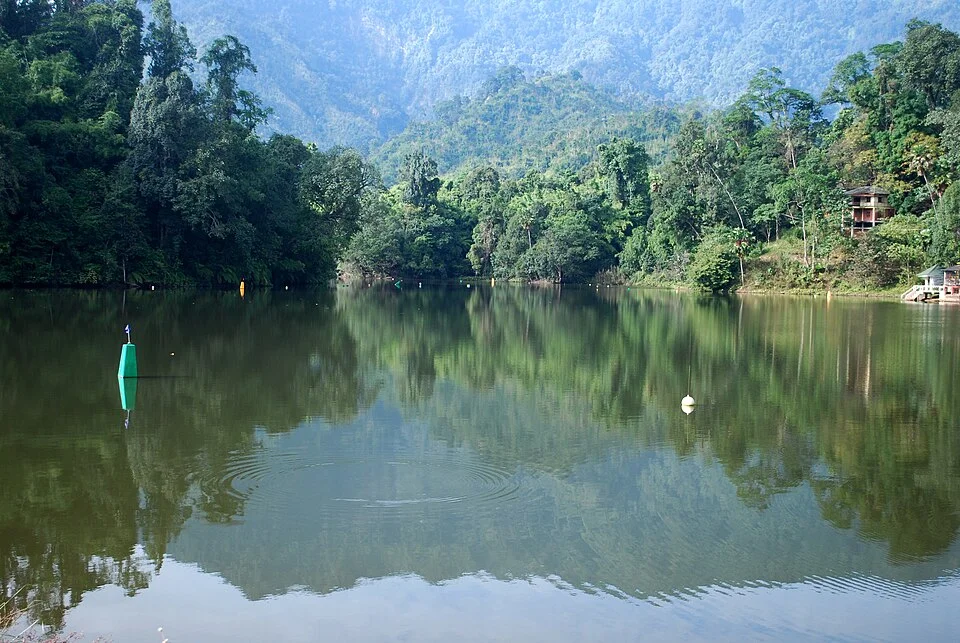
Gyakar Sinyi, also known as Ganga Lake, is a separate open-air option in the district visitor record. Assign it to the second complete day only after arranging the journey, current entry conditions and return together. It is not an accidental extension of a walk from the city museum. The available public path, ground and boundaries determine how you approach the water; do not move too close to an edge for a photograph. This article guarantees neither boats nor swimming nor the operation of an activity. Returning to the same accommodation after a modest look at water and green surroundings keeps the three-night arrangement simple. Rain or unsuitable visitor conditions may make a shorter cultural and meal programme in the city preferable. The historical date of the lake photograph is not evidence that identical services are offered now.

Pehak and rice: do not collect different communities into one recipe
National tourism information about Itanagar and Arunachal cuisine names pehak as an accompaniment involving fermented soya and hot chilli. Do not treat it as a preparation made identically by every local community or a fixed option in all capital-city establishments. Learn the actual vegetables, meat and accompaniments presented with rice by the kitchen that day. The guide's Nyishi meal photograph depicts a separate table; its components are not all labelled pehak. Regional meal names offer a starting point for approaching varied food in the capital. Choose an actually available option according to your meat and spice preferences rather than inventing health benefits, a fixed portion or a current price. A nearby table on returning from the lake can be more comfortable than another extended transfer for a different food photograph. One kitchen's account does not fit all Arunachal into a single plate.
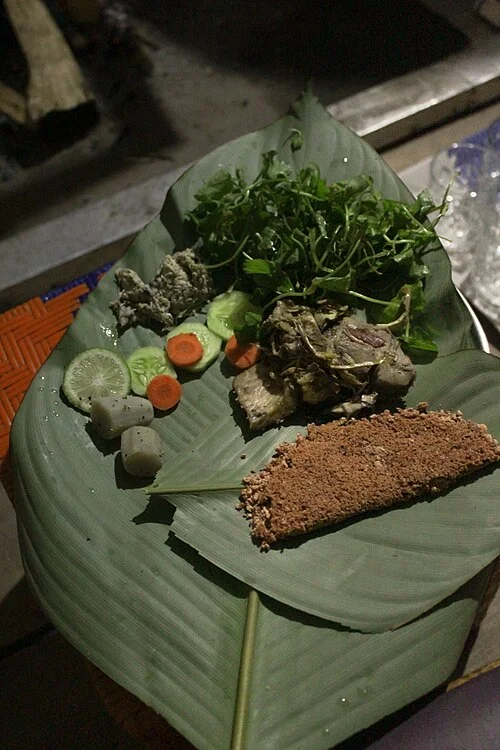

The final morning: depart without changing into a state-wide route
Keep the fourth morning for breakfast, luggage and the chosen transport connection. Match the actual stop on the ticket, meeting point for the vehicle and accommodation departure arrangements together the previous evening. Adding a distant valley to a small gap on the final day can unnecessarily complicate the end of this measured capital visit. Be sure the permitted route and any late change in visiting plans remain within the same allowed scope. If rain or tiredness has shortened the open-air section, attention to brick remains, a cultural visit under the institution's conditions and a local meal can still form a meaningful whole. Sources were checked on 5 October 2026; entry, transport and visitor arrangements also need confirmation for your actual journey dates. The Stork's suggestion is to give a capital its own urban time, rather than consume it merely as a transit point towards distant mountains.