
How many days do you need in Rennes?
Two days is a useful starting point for Rennes: it gives you time for the historic centre, a museum and the Thabor gardens without treating every stop as a photograph taken on the way elsewhere. Arriving on Saturday adds the Marché des Lices to the plan. Monday, however, is not a day for the Fine Arts Museum. Use the first day for Sainte-Anne, the timber-framed streets, Lices and the civic squares; keep the second for art, gardens and a Parliament tour if you can obtain a suitable booking. With only one day, choose a single timed or indoor priority and build the walk around it.
Practical information was checked on 9 October 2026. Two current restrictions matter more than a generic list of attractions: the official Parliament tour page cancels visits from 5 to 9 October 2026, while the cathedral's own information page announces Tuesday and Wednesday closures. The suggested itinerary therefore needs to move with your dates. Place outdoor sections in the better weather window and protect the time attached to a confirmed booking. A flexible route is more useful here than an hour-by-hour schedule that assumes every building is open every day.
How do you reach the centre from the airport or station?
Rennes Airport identifies the C6 bus as its city connection. You can change to metro line B at Saint-Jacques–Gaîté; the metro station is about three kilometres from the airport, rather than inside the terminal. The airport lists a 1 May service exception and adjusted Sunday and holiday timetables. Check the departure appropriate to your flight instead of applying a weekday daytime frequency to a late arrival. Include baggage collection, waiting and any transfer before booking an activity for your first afternoon.
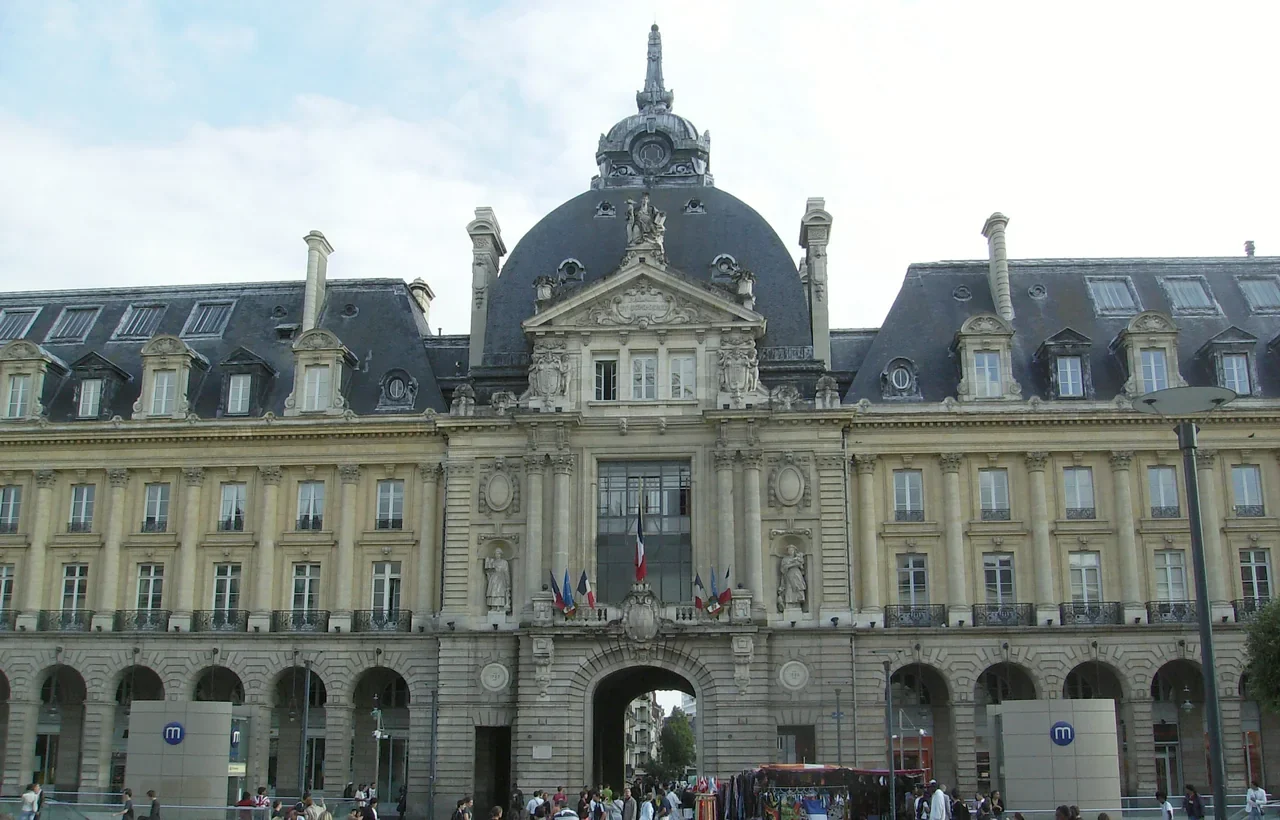
Rail passengers should compare their actual accommodation address with the station. A room in the centre and one beside the platforms produce different arrival plans, especially with luggage or rain. République, Sainte-Anne and Saint-Germain are useful reference points when organising central visits. The museum's access page identifies République on line A and Saint-Germain on line B. On departure day, allow a separate block for collecting stored luggage and returning to the station. The end of a museum visit should not be treated as the moment you are ready to board a train.
Day one: Sainte-Anne and the old streets
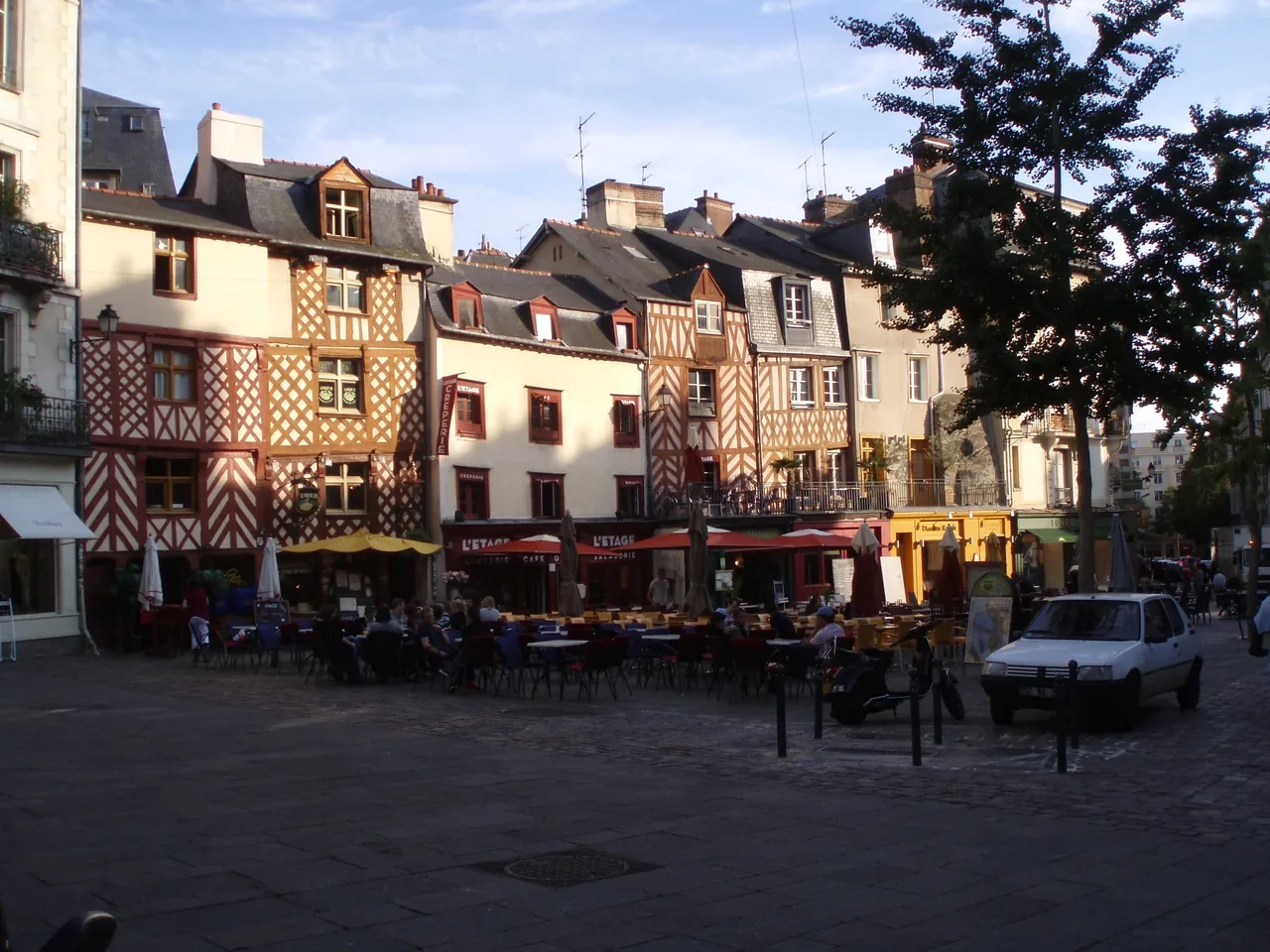
Start around Sainte-Anne, look at the timber-framed facades and continue towards Place Rallier du Baty and Lices. Brittany's official tourism site highlights the contrast between the city's architectural periods. Make that contrast the purpose of the walk: compare upper-storey wooden frames, the proportions of neighbouring houses and the way narrow streets open into squares. You do not need to enter every building to enjoy this part of Rennes. Leave shop entrances and narrow pavements clear when stopping for photographs.
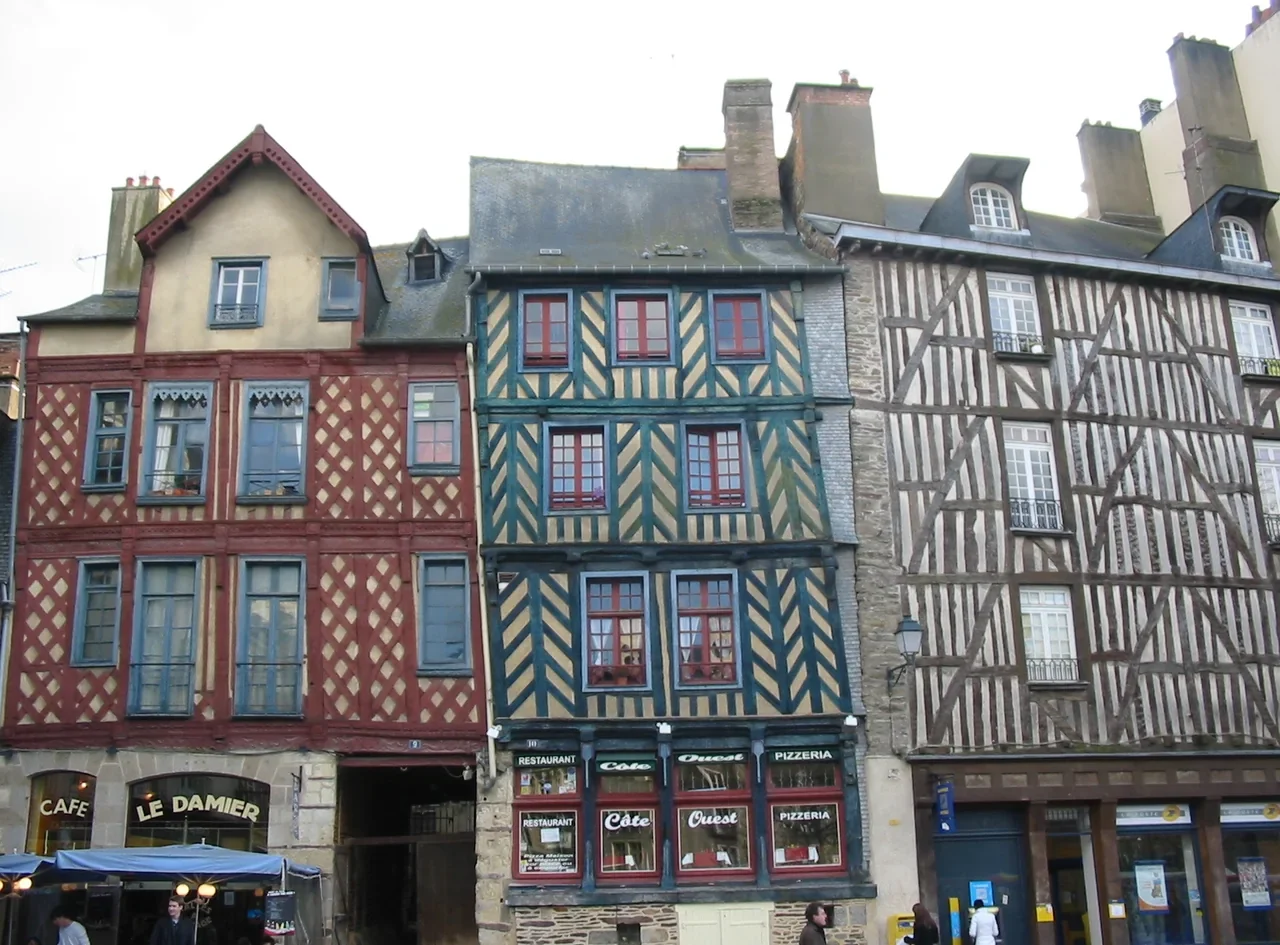
Keep this first half-day elastic. Shopping, a cathedral visit or a long coffee stop can change the pace without spoiling the route. Groups can agree to regroup in squares instead of blocking small streets while everyone checks a map. Visitors with reduced mobility should consider paving and entrance thresholds before committing to an indoor stop. A short line on a map is not necessarily an equally easy route for every traveller. If energy is limited, stay with the central squares and reduce the number of detours rather than rushing the whole circuit.
When should you visit Lices market and the cathedral?
The official market calendar places Marché des Lices on Saturday. Give it the morning; a walk through the square on another day does not mean the food stalls will be operating. A galette-saucisse can make a convenient informal break, while a longer restaurant meal deserves its own reservation later. Avoid buying more than you want to carry through the rest of the day, and check a museum's rules before arriving with food or large shopping bags. The market should help the itinerary, rather than making every later visit awkward.
Saint-Pierre Cathedral's own information page gives general opening hours of 09:30–18:00 but explicitly says it is closed on Tuesdays and Wednesdays for security reasons. Older everyday-opening advice should not override that notice. Sunday Mass at 10:30 is not a sightseeing session; choose an appropriate visiting time around worship. If your dates coincide with a closure, retain the surrounding street walk and omit the interior. That adjustment still leaves a worthwhile morning and avoids crossing the centre solely to find a locked door.
The civic square, opera and Parliament booking
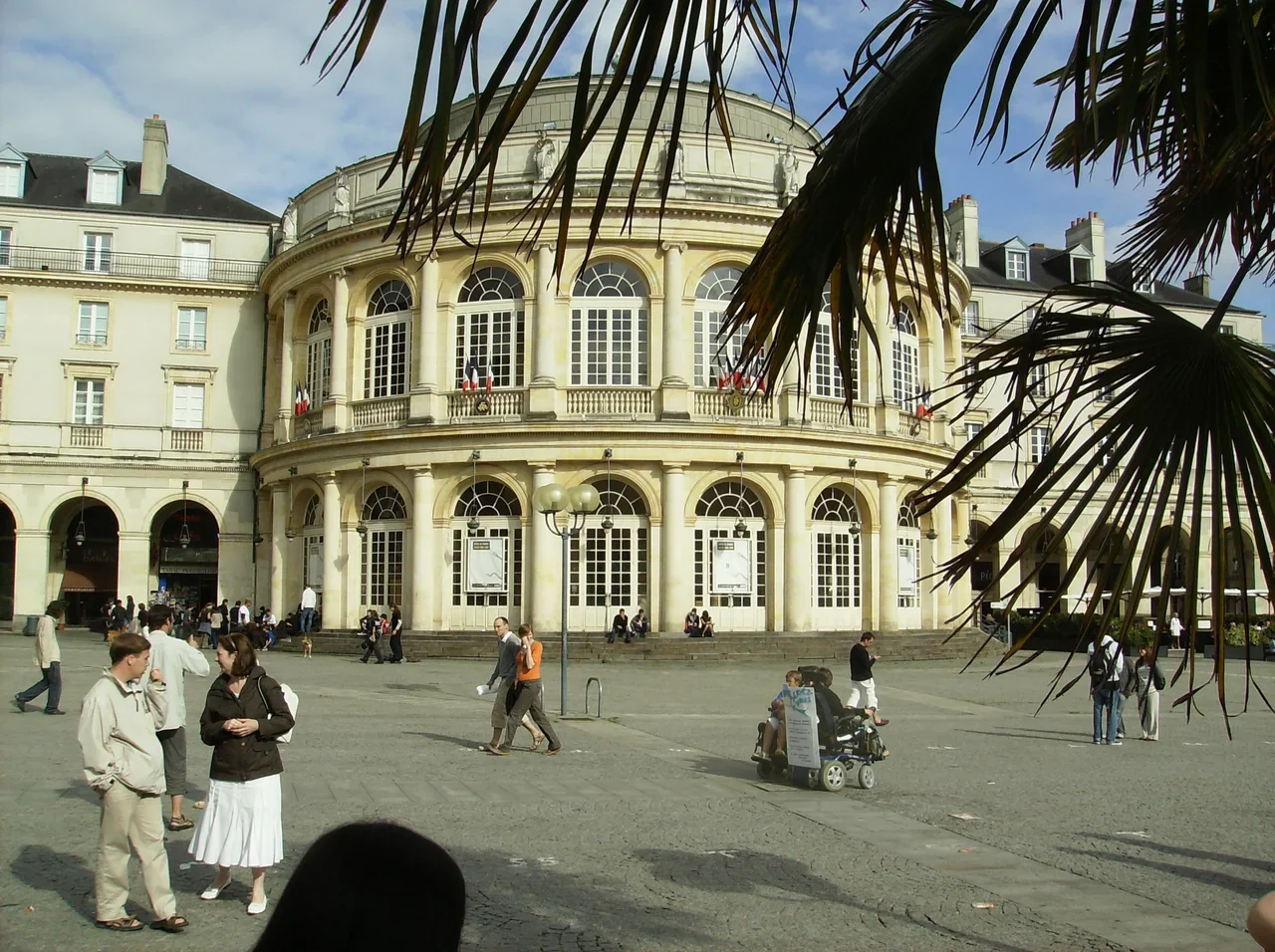
The town-hall square and opera surroundings offer a more open setting after the old lanes. Seeing the opera's exterior is a different activity from attending a performance or entering on a tour. Do not assume an open square means the auditorium can be visited. Pause here before continuing towards Parliament. Archival facade photographs in this guide illustrate architecture; they do not document the present arrangement of works, events or traffic. Keep this part of the walk simple if a booked visit is approaching.
The official Parliament tour lasts 90 minutes, operates in French and requires a reservation. Its meeting point is beneath the arcades on rue de Brilhac. In addition to the 5–9 October 2026 cancellation, court requirements can make individual rooms unavailable without notice. Leave room after the tour instead of combining it with an immediate reservation across town. Confirm the date and language before paying, and judge whether a French-language visit fits your interests rather than assuming interpretation in another language is included.
Day two: the Fine Arts Museum and Thabor
The Musée des beaux-arts at Quai Zola opens Tuesday–Sunday, 10:00–18:00, and closes on Mondays and public holidays. Its permanent collections are free for everyone; temporary exhibitions have separate admission charges. This itinerary refers to 20 Quai-Émile-Zola. The second museum location at Maurepas follows a different programme, so do not treat the two addresses as interchangeable. Choosing a few rooms to examine carefully is a reasonable alternative to trying to cover every display before lunch.
Leave the afternoon for Thabor. The tourism office lists summer opening of 07:30–20:30 and winter opening of 07:30–18:30. Check the entrance notice during seasonal transitions and avoid starting a long circuit just before closing. Formal planting, the rose garden and more wooded areas offer different kinds of space within the same visit. Flowering changes with the season; the experience does not depend on seeing the same blooms as a summer photograph. In wet weather, shorten this section and give more time to indoor visits.
Should you add a riverside walk?
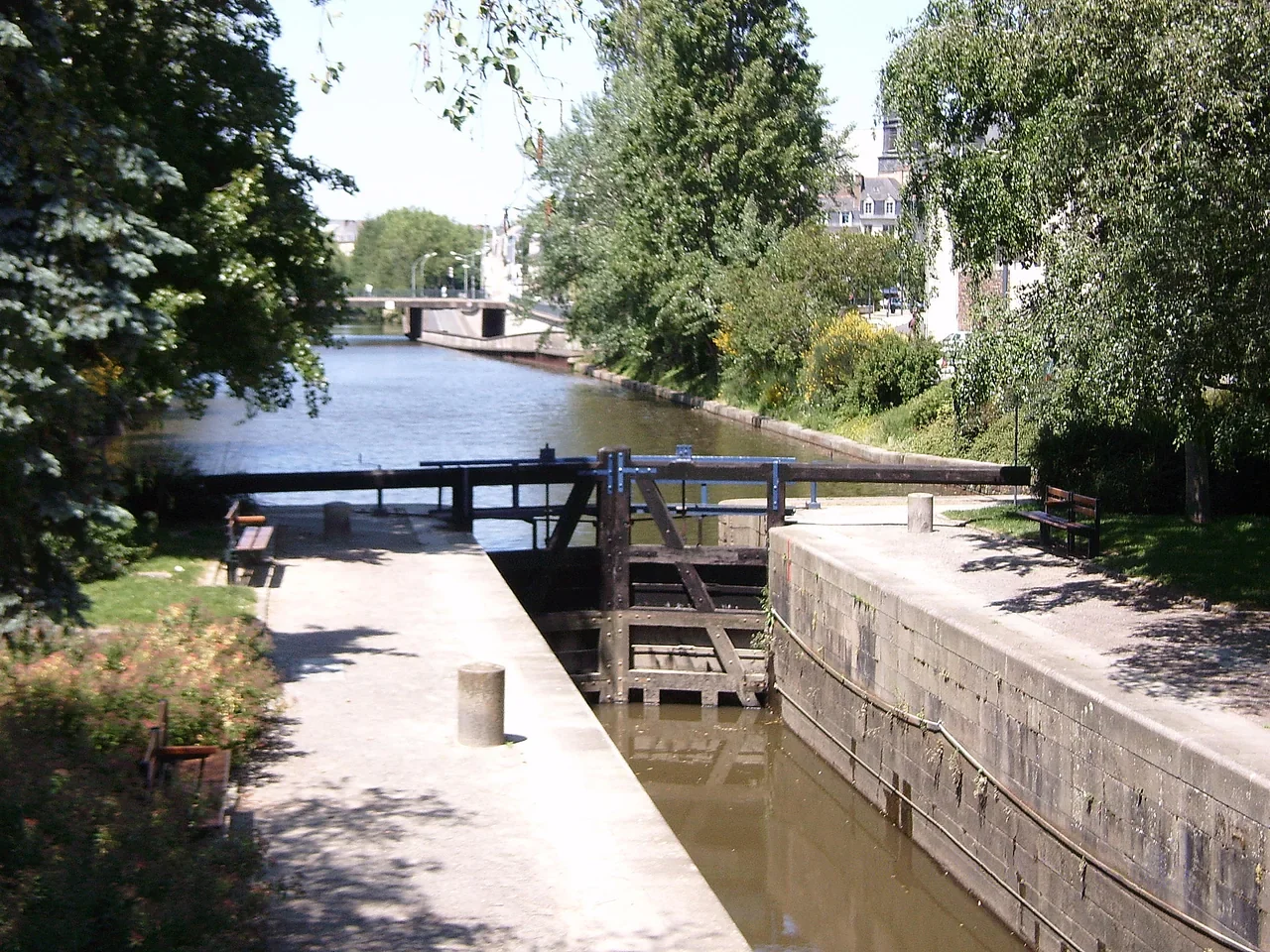
République and the Palais du Commerce surroundings fit naturally into a central return walk. A longer waterside section works better as an optional block than as a compulsory last stop. Older photographs of the Ille connection and the Vilaine show the city's relationship with water, but cannot confirm today's path access or water levels. Skip a longer riverside outing in poor weather or when it threatens a museum closing time. Leaving something for another visit is preferable to turning the final afternoon into a race back to your luggage.
Where can you stay and have a proper dinner?
Balthazar Hôtel & Spa, at 19 rue du Maréchal Joffre, is a central accommodation option. The hotel's own access information places République metro 240 metres away and the railway station 800 metres away. Consider it if returning to the centre in the evening is convenient for your plans. Check room prices, parking and valet conditions with the property; a location recommendation does not imply those extras are included. A room booking also does not automatically reserve a restaurant table.
La Table de Balthazar lists dinner Monday–Saturday, 19:15–22:00. Its October–November 2026 menu includes beef shoulder with pointed cabbage and a bonito-flavoured sauce as a substantial main course; turbot with chestnut is another option. Note the fish component in the beef sauce. Confirm current availability and dietary needs when reserving. The lunchtime bistro and evening gastronomic service are distinct, so specify the meal you intend to book rather than relying only on the venue's general opening span.
Which city could follow Rennes?
For a longer journey around Brittany and the Loire, the Nantes travel guide offers a separate stay built around the château, museums and mechanical elephant. Allow a dedicated transfer and luggage block between cities rather than attempting to fit both sightseeing programmes into a single day.