

Périgueux: from a Roman household to a merchant street
Why divide a Périgueux day between a museum and the streets? Vesunna's interpretation of an ancient home and city answers a different question from the squares, shopfronts and passages of Puy-Saint-Front. The Tatilmerkezi Stork suggests staying within the city rather than spending the entire visit driving across rural Dordogne. Give the morning to understanding how a household worked, then use the afternoon to examine commerce at street level. This guide fits two nights and three calendar days: an arrival evening, one full cultural day in the middle, and a departure morning. It does not pretend that arrival and departure are two additional full sightseeing days.
A Monday arrival followed by a Tuesday museum day is one example compatible with Vesunna's published closure pattern. On your first evening, introduce yourself to the outdoor streets around Saint-Front, choose a meal from a business that is actually open and identify tomorrow's museum approach. Leave luggage at your accommodation before starting. If arriving by train, compare the station connection with the exact address of your room rather than relying on a central skyline photograph. Check present local transport with its operator; no fixed departure time or universal walking duration is promised here. The first evening should make the main day easier, rather than attempt to finish the whole old town.
Vesunna: read the use of a home, not only its walls
Vesunna's own opening information distinguishes October–March from the summer timetable. Weekday and weekend arrangements differ, a midday break is included and Monday is closed. Do not therefore design the day around one uninterrupted museum session stretching through lunchtime. A morning visit followed by a proper meal and an afternoon street walk may be more comfortable. Recheck holidays and special arrangements before travelling. The institution's educational resources and school-year programmes do not establish a drop-in workshop entitlement for every visitor. If you want an activity beyond a normal visit, confirm its separate booking and access requirements.
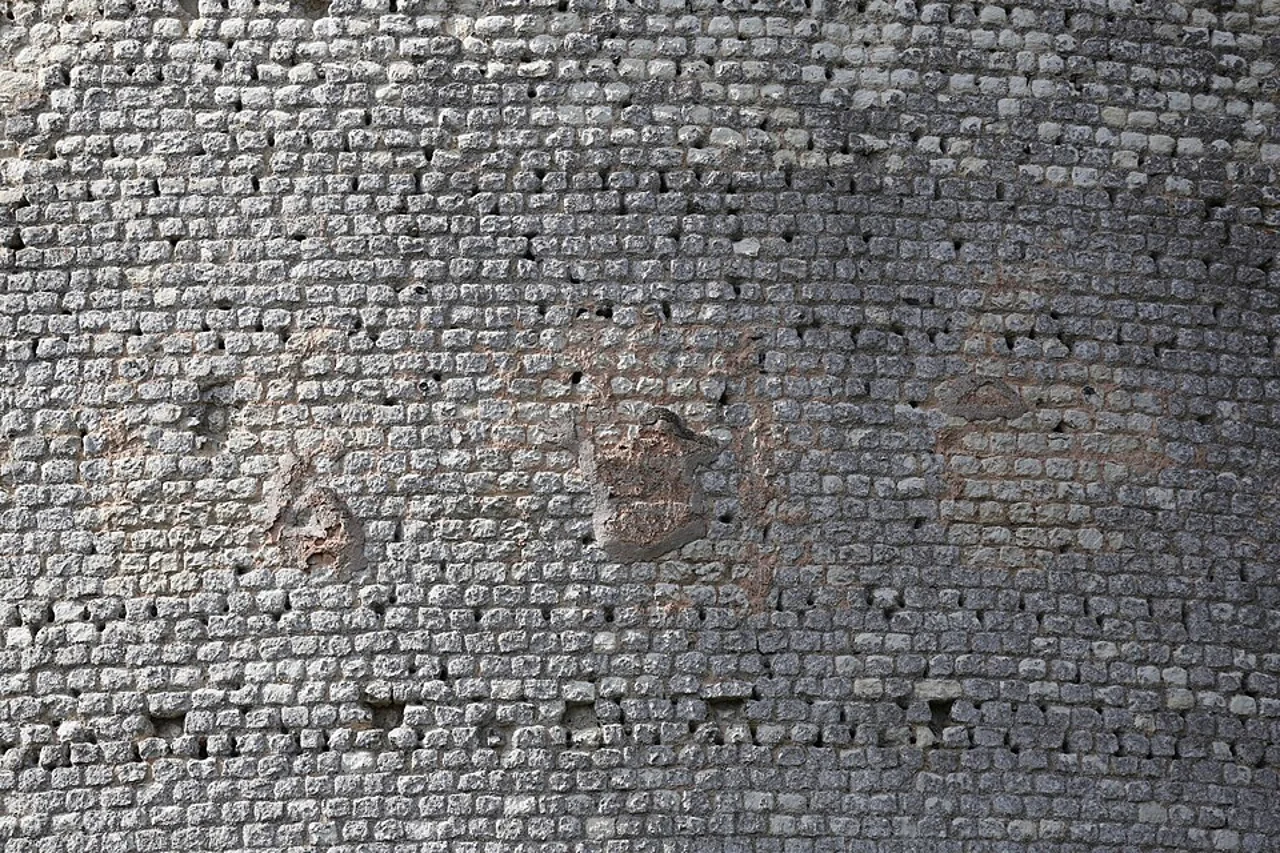

Approach the domus interpretation as a plan for living, not simply a succession of attractive objects. Which space suggests daily work, an encounter or a service function? Relate the way rooms connect to how an object might have been used. Then ask where the house sat within the surrounding city. Outside, you can apply the same attentive method to the surviving Roman masonry: brick and stone, a complete structure and a remaining surface are different kinds of evidence. This guide's Tour de Vésone image is a close view of wall texture, not a photograph of the museum collection or of the whole tower. The useful outcome is an understanding of space, rather than a tally of every fragment.
Puy-Saint-Front: commerce between a square and a façade
After the museum, move into the older centre's smaller streets. Around Place Saint-Louis and the Maison du Pâtissier, examine how buildings address a square instead of treating every façade as a photograph stop. A square encourages people to pause; a narrow passage moves them towards another corner. Consider the space allowed for buying, waiting and circulating. The regional tourism authority's current food account connects pâté de Périgueux with this neighbourhood. A historic building name does not demonstrate that the same product is sold there today, nor that its interior is freely accessible. Select food from an actual menu or counter rather than from an architectural label.


Saint-Front's exterior can help you orient yourself, but restoration activity must not disappear from the plan. Current tourism notices distinguish works and specific reserved visits. They do not prove unrestricted roof access or the opening of every interior space under an ordinary admission arrangement. The core of this route is the public outdoor urban setting; add a special visit only after checking its current programme. Reduce the street circuit when steep or narrow sections become tiring. With a pushchair, walking aid or heavy bag, assess steps and surfaces on the ground and choose a manageable return rather than assuming that every historic passage is equally accessible.
The Isle: leave open-air space in your museum day
The Isle gives you a wider field of view after the rooms and narrow streets. The area around Pont Barris and the cathedral silhouette seen across the river can bring several parts of the day together. The aim is a short urban waterside walk, not a long rural cycle stage squeezed into the same schedule. Know which direction you are going and on which side your accommodation lies. A river photograph is neither a present swimming authorisation nor evidence of safe access at every point. This guide does not propose swimming in the Isle; the waterside is used as an outdoor city setting.
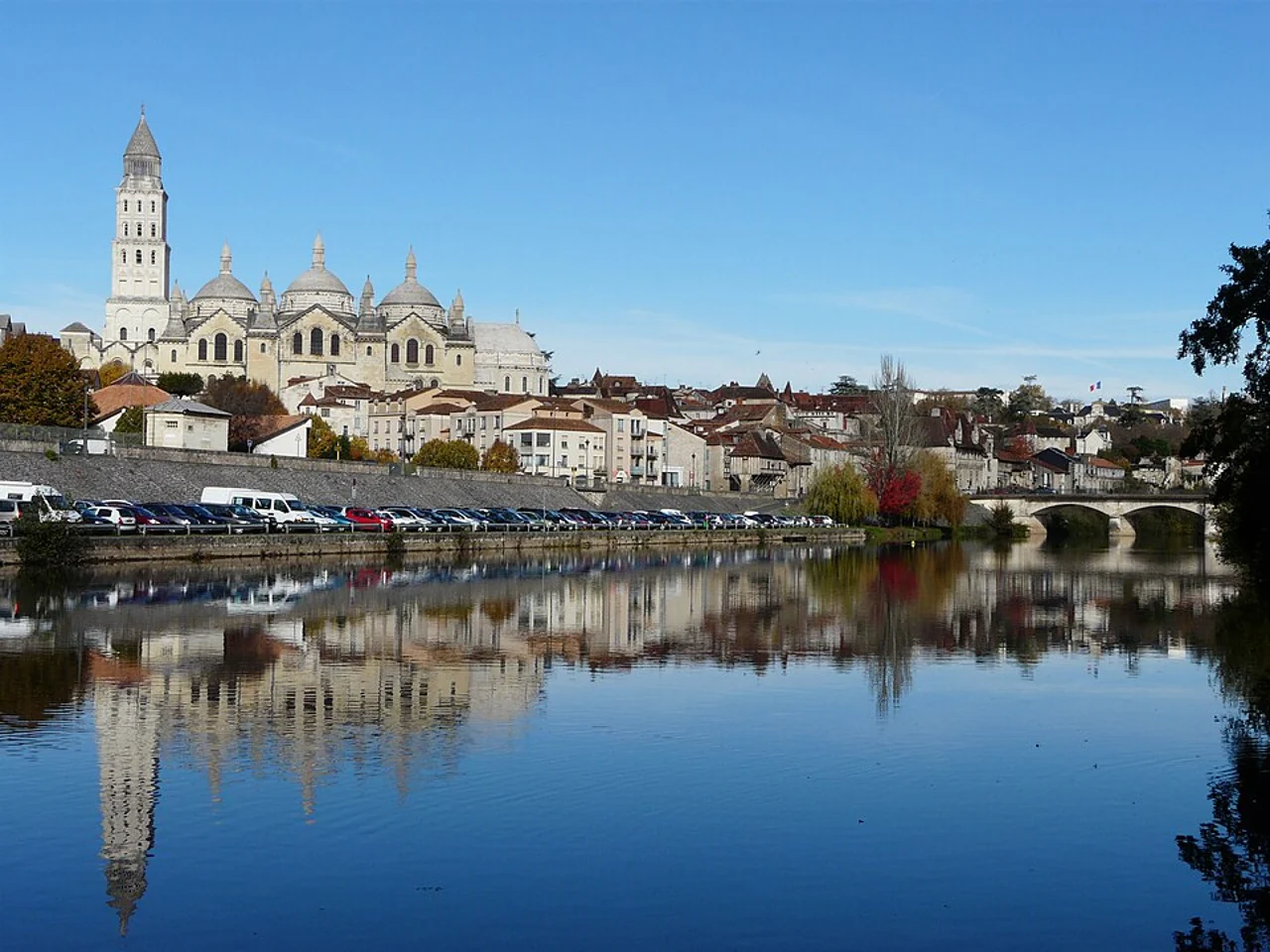

Shorten the walk according to weather and remaining daylight. On a wet day, keeping the museum visit and reducing the outdoor part to a nearby circuit and a coffee may be more sensible than going far away and complicating the return. For riverside accommodation, evaluate more than the window view: the next morning's station connection, luggage handling and evening food options matter too. A proper midday meal can leave the evening pleasantly light. Use the tourism office's current city map. A passage shown in a photograph taken years ago does not prove that today's route is unobstructed, and temporary works should be respected rather than treated as an inconvenience to bypass.
Barrière: compare a ruin with the inhabited city
Adding Château Barrière introduces another question: how do a building's surviving stones compare with the squares and streets still in daily use? This outdoor focus encourages reflection on loss and change, rather than repeating the household-plan exercise at Vesunna. Locate it on a map and assess the day's real load. If you have already spent substantial time in the museum, old centre and river area, you need not also complete a long ruin circuit. The value of a cultural day is not measured by its number of monuments. Choosing one clear question at each location makes the visit more meaningful than rushing between every named site.


Viewing a ruin from outside does not establish permission to enter closed areas or climb the masonry. Follow barriers and on-site directions. A quiet departure morning might accommodate a brief exterior walk, but keep the time required by your actual train booking. When choosing accommodation, decide which link matters most: the old centre, the museum approach or the station. On a two-night visit, being able to leave a suitcase after checkout and reach a genuine evening meal can be as useful as gathering several landmarks into a single bedroom view. Check the real address and entrance rather than selecting solely from promotional photography.
Pâté de Périgueux: turn a regional product into a meal
Pâté de Périgueux provides a concrete local food question for this city day. Regional sources explain its association with foie gras and truffle, but a historic recipe and every product sold today should not be treated as identical. When it appears on a menu or counter, ask about ingredients, portion and serving format. Do not present a meat-based product as vegetarian. The appearance of the word truffle does not guarantee the same type or quantity in every preparation. Judge your spending from the current menu or product description rather than from an invented price. Food interest becomes more useful when it helps you choose a real lunch, not simply collect a series of prestigious names.
The museum's midday break can turn a small tasting into a proper meal. Instead of adding numerous snack stops, choose somewhere to sit and understand your route back. Ask a seller about storage requirements for any chilled purchase. Without suitable cooling at your room or during the train journey, eating locally may be more practical than carrying it onward. The Stork's takeaway from Périgueux is a relationship between a Roman household, the rhythm of a merchant square and the contents of a regional product. Sources were checked on 5 October 2026; confirm access arrangements and menus again before your visit. Photographs retain their historical dates and are not evidence of current opening conditions.