
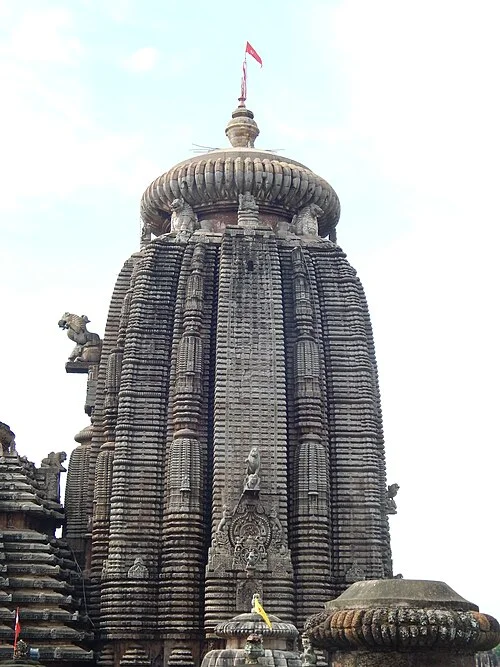
Bhubaneswar: separate the temple cluster from rock-cut heritage
The Tatilmerkezi Stork proposes two different experiences in Bhubaneswar rather than an uninterrupted temple marathon: stone architecture and a waterside pause in the old neighbourhood, followed by a separate day at Udayagiri and Khandagiri. Odisha's capital deserves more than a transfer stop on the way to Puri. Mukteshwar's carved details, Rajarani's architectural form and the worship life around Lingaraj each need their own time. This guide uses four calendar days and three nights to create two full sightseeing days. Konark and Puri are not compulsory additions squeezed into this city stay. Entering a worship site and observing its exterior can involve different permissions. Understanding who may enter which space makes the visit both respectful and practicable; historic buildings do not all operate under the same access arrangements.
Four calendar days with two full visiting days
Use the arrival day for your hotel and an Odisha meal nearby. On the second day, give Mukteshwar and Rajarani unhurried architectural visits; after a rest, approach the Lingaraj surroundings according to your personal eligibility to enter. An authorised view beside Bindu Sagar can provide a calmer conclusion. Set up a separate vehicle connection for Udayagiri and Khandagiri on day three. Stone steps, heat and your need for breaks may favour a longer visit to one side rather than an exhaustive tour of both. Day four is the departure transfer, so arrival and departure are not counted as additional full sightseeing days. With only one full day, concentrate on the old-city architecture and save the cave sites for another stay. A return to the hotel or a shaded lunch break is a genuine part of the itinerary rather than a failure to keep moving.
Mukteshwar: begin with the gateway and carved details
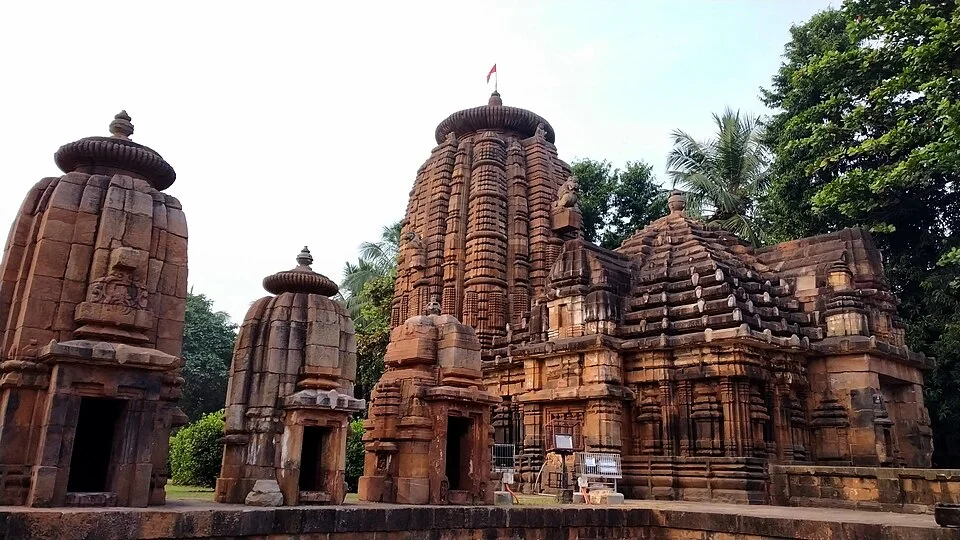
The national tourism source introduces Mukteshwar, also written Mukteswara, through Kalinga architectural carving and the ornate torana gateway. Aim for more than a photograph in front of the structure. First observe the overall form, then choose details on the gateway and exterior surfaces. On a short visit, two or three motifs are enough to begin reading the architecture. Do not block worshippers' movement for a camera position, and use the areas staff identify as open. Worship and architectural sightseeing can take place together. Exterior photography does not establish permission to photograph every interior space. Continuing to Rajarani on the same day is a reasonable option, but check the connection on a map and leave time to rest. Concentrate on the visible architecture and current visiting arrangements rather than decorate the account with an unsupported World Heritage designation or an unnecessarily precise historical date.

Rajarani: make a separate architectural observation
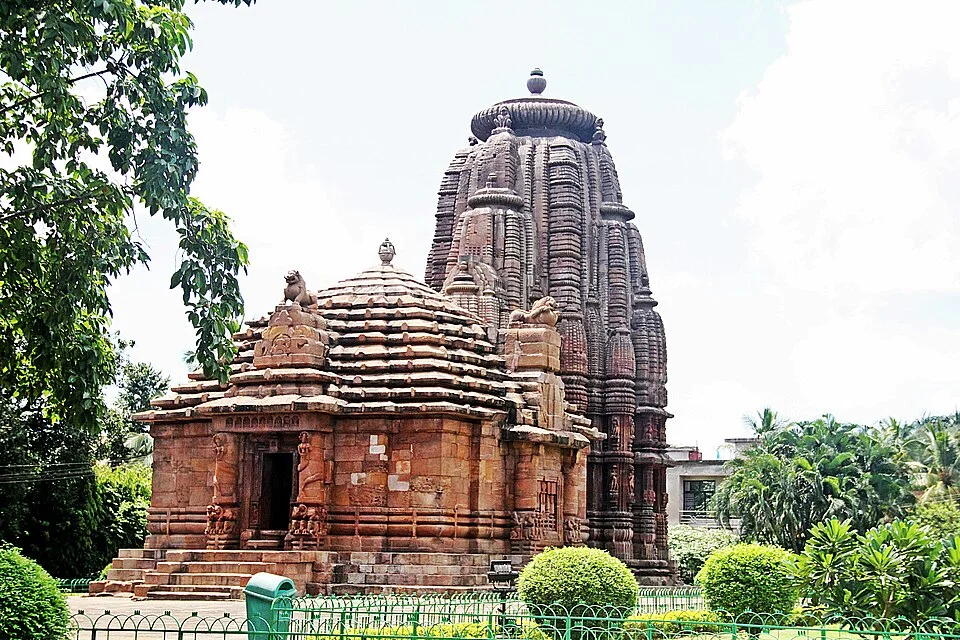
Rajarani's tourism presentation emphasises architectural form and carved stone details. Do not dismiss it as a repetition of Mukteshwar simply because both belong to the city's historic architecture. Ask different questions about the proportions, tower and arrangement of surfaces. Follow open paths through the surrounding area without touching protected carving. Reading the exterior does not require a whole day, but a rushed passage from entrance to exit misses the details. With a child, start by describing the tower from a distance, then identify contrasting shapes on a closer surface. Verify admission, maintenance boundaries and closing information for your chosen date. Older online prices are not used as a current budget here. A meal and rest after this visit can establish a more manageable second half of the old-city day than attaching another sequence of demanding stops without a pause.

Lingaraj: establish entry eligibility first
Incredible India's Lingaraj page explicitly states that admission to the temple is restricted to Hindus. It describes a designated elevated viewing platform for non-Hindu visitors to observe the exterior. This is a material limit in planning the visit. Confirm your eligibility and the observation space currently available with staff; the guide promises neither unrestricted interior access nor an open platform on every date. A short exterior observation is more useful than attempting to force entry into an area you cannot visit. Footwear, clothing, bags and photography must follow the site's current instructions. A practice permitted at Mukteshwar or Rajarani should not automatically be transferred to Lingaraj. Travellers whose main purpose is worship may reduce the other stops. Those interested in an exterior architectural view can allocate more time to Mukteshwar and Rajarani while retaining a balanced old-city itinerary.
Bindu Sagar: pause beside an authorised bank
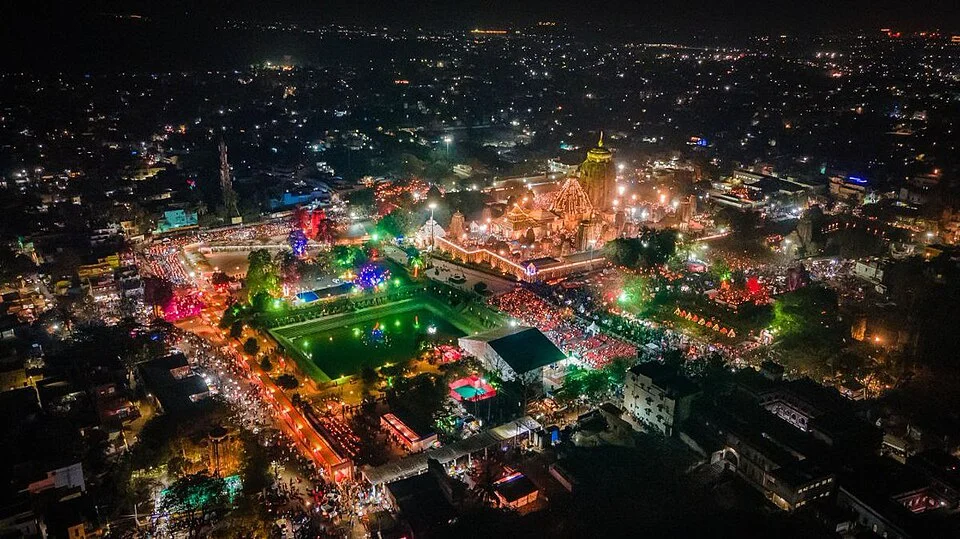
The water area encountered as Bindu Sagar or Bindu Sarovar provides a separate way to understand the sacred and urban landscape around Lingaraj. The proposed activity is a brief observation from a permitted bank. Entering the water or assuming an uninterrupted walk around the entire edge is excluded from this plan. Follow staff directions during worship, ceremonies or a crowded festival. The night photograph records Mahashivaratri on 18 February 2023 and carries the Government of Odisha's credit; it does not promise identical lighting or crowds on an ordinary evening. A seasonal ceremony can be researched separately if it fits your travel dates, but a normal visit should not be filled with a festival schedule that may not apply. Resolve the return connection and evening meal beforehand so that tiredness in the old neighbourhood does not lead to an unplanned sequence of transfers.

Udayagiri and Khandagiri: Jain rock-cut heritage
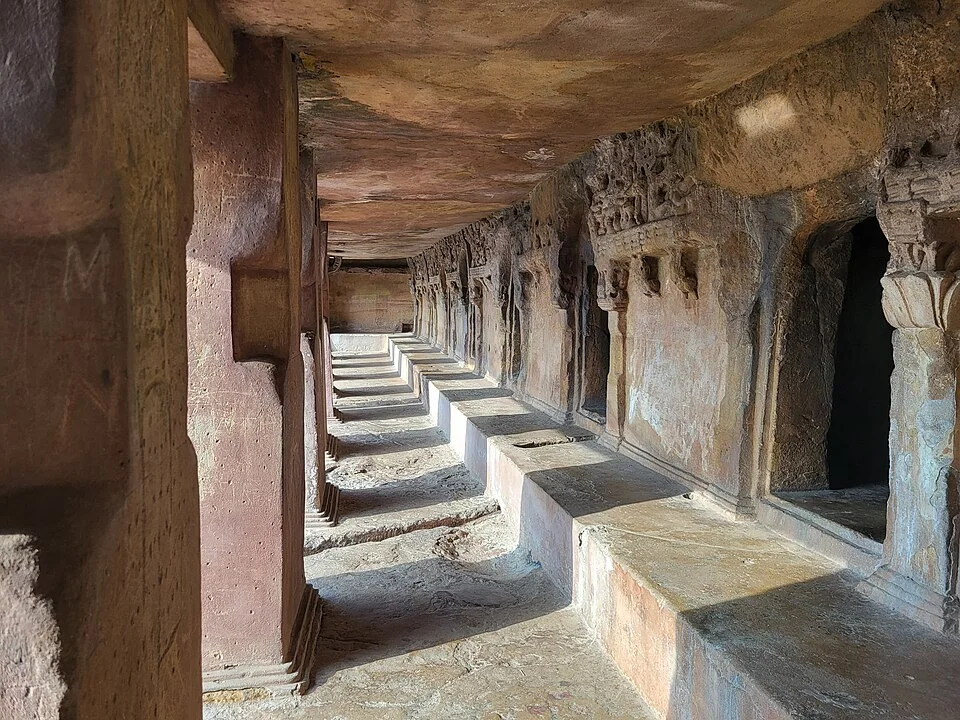
The national tourism source introduces the Udayagiri and Khandagiri sites near the city through historic Jain rock-cut heritage. Do not confuse this Udayagiri with archaeological places bearing the same name in another state. The Rani Gumpha photograph in this guide was made at Udayagiri near Bhubaneswar. Steps and different levels mean that visiting time cannot be derived from map distance alone. Bring suitable shoes and water, and plan pauses according to the heat. Follow instructions on slippery steps and at closed sections. Rani Gumpha's carved passages and columned facade supply a concrete subject for observation without requiring every cave name to be memorised. Travellers with restricted mobility should ask which open sections match their access needs and choose a shorter visit where appropriate. Arrange a separate outward and return connection rather than imagine a long pedestrian extension of the old-city temple day.

Dalma, Chhena Poda and an accommodation decision
For a specific Odisha meal, consider Dalma. Official tourism sources include this combination of lentils and vegetables among regional dishes. Chhena Poda is a separate dessert choice based on baked fresh cheese, so account for its dairy ingredients. Neither dish is promised on every restaurant menu or in an identical preparation. When considering Pakhala, ask the kitchen about the serving style and accompanying dishes. Compare hotel access to the old temple area with your departure needs at Biju Patnaik Airport and Bhubaneswar railway station. A hotel near the station does not guarantee a walk to every historic attraction, while an old-city address may not provide the most convenient early-flight connection. Check present transfers using dated operator information. Sources were reviewed on 4 October 2026. Before travel, reconfirm worship access, open routes, visiting hours and weather against your actual dates.