
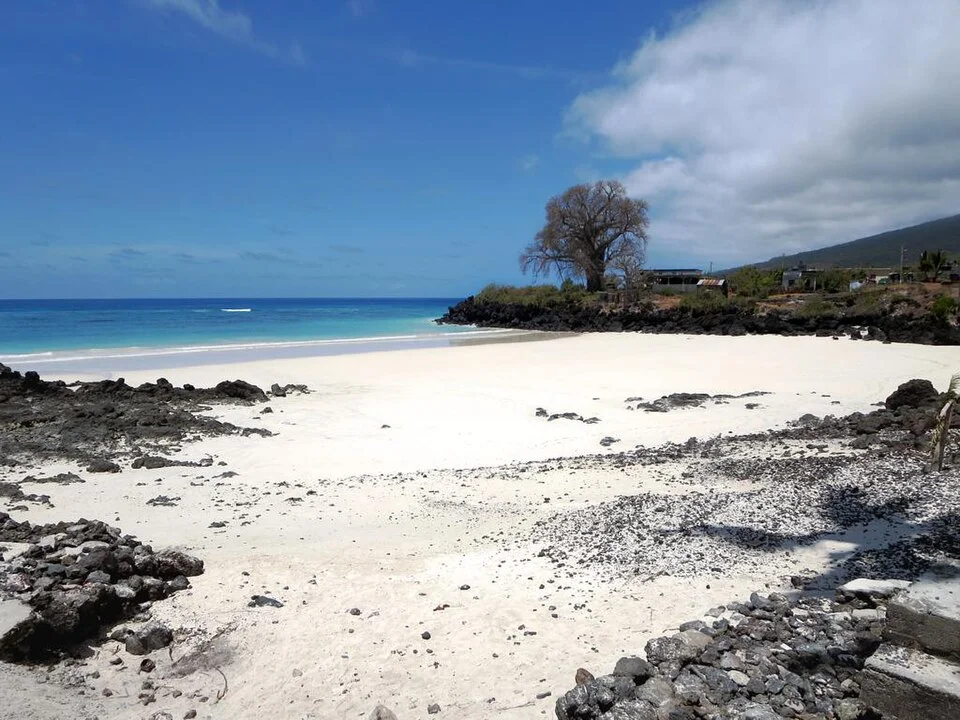
A map makes it easy to draw a holiday across the Comoros' three main islands. A workable journey starts with time and transport rather than lines between points. The Tatilmerkezi Stork follows the contrast between pale sand and dark lava, the greenery higher inland and tables scented with coconut. You do not have to visit every island on a first trip. Choosing one island as a base can leave more room when a connection does not operate as expected. This guide offers a conditional planning framework, not a promise of access, safety or current services. Its five real photographs were taken in different years; they do not establish present road or accommodation conditions.
Travel conditions before island choices
At the 4 October 2026 source check, the FCDO notes that protests on the three main islands can disrupt roads and airport access. It highlights overloaded or poorly equipped boats, the active Karthala volcano and the January–May cyclone period. Do not build the holiday around travel after dark. Review current official advice, weather and local access before departure, and examine your insurance separately. General advice cannot be turned into a declaration that any particular beach or town is safe.
The island choices in this guide are Grande Comore, Anjouan and Mohéli, also known as Ngazidja, Ndzuani and Mwali. Recording both names on your booking notes can make accommodation and transfer conversations clearer. Two places that look close together on a map may belong to different islands, with an air or sea connection between them. The five-day example below keeps its base on Grande Comore. That is a way of making the available time legible, not a judgement that the other islands matter less. Decide how many nights you can actually allocate before choosing an additional island.
A Moroni base and the first day's rhythm
Accommodation centred on Moroni and accommodation along the northern coast create different daily programmes. The former can put city appointments, meals and the departure transfer at the centre of your movements. The latter may give more time to the coast while making city transport a separate arrangement. Look beyond attractive room photographs. Establish who handles the arrival transfer, how meals fit into your arrival time and where the departure vehicle will collect you. These are specific questions to settle in a reservation, not guarantees that an advertised service will always operate.
Arrival, reaching your accommodation and one nearby meal are enough for the first day's outline. Avoid making an immediate onward island connection or mountain walk the reward for finishing a long flight. On the second day, consider a short, locally confirmed cultural programme around Moroni, leaving a proper lunch break rather than filling every hour with stops. The official tourism site introduces historical places such as Iconi; that introduction does not itself verify current opening hours or interior access. Choose the accessible portion of the programme with local support instead of automatically replacing a closed stop with another distant one.
Lac Salé and the coast: resist an overloaded day
For the third day, choose one main landscape focus: the Lac Salé area or a coast outing whose arrangements have been confirmed. The cover photograph shows the contrast of white sand and black lava at Chomoni. It does not guarantee a particular boat service, swimming area or beach facility. A coast programme needs more than a destination name: work out a daylight return and where the meal fits around the excursion. If a proposed stop consumes too much of the day in transport, bring the programme closer to your accommodation.
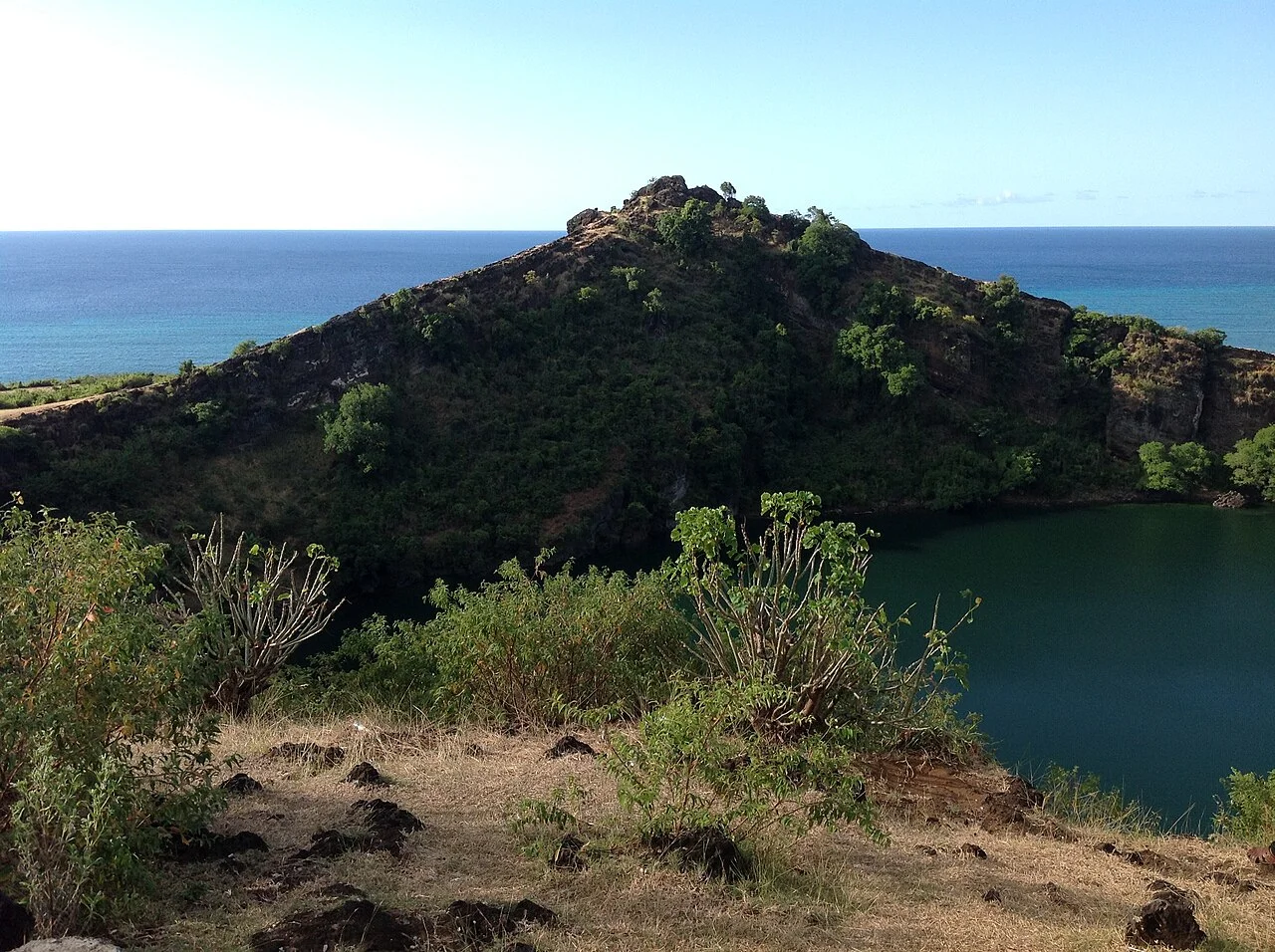

The Lac Salé photograph records a natural scene in 2014. How visitors approach the shore, what boundaries apply and which roads are usable require a fresh check. Staying within locally permitted viewing areas is a different decision from approaching a rocky edge for a dramatic picture. Leave flexibility in the afternoon instead of combining an extensive city tour, the north of the island and another coast outing in one day. That space is part of making a short island holiday workable; it is not simply an unused gap on the itinerary. A slower plan can still contain a clear landscape focus and a memorable meal.
Karthala: separate the photograph from a hiking decision
The elevated 2013 view of Karthala conveys the island's natural scale, not evidence that a walk is currently possible. Do not begin a crater itinerary from an old travel account. Current official monitoring, access conditions and suitable local professional support must be reviewed separately. Without those checks, this guide does not add a mountain hike to its suggested five-day framework. The fourth day therefore remains a flexible local activity or rest day rather than a compulsory summit day.
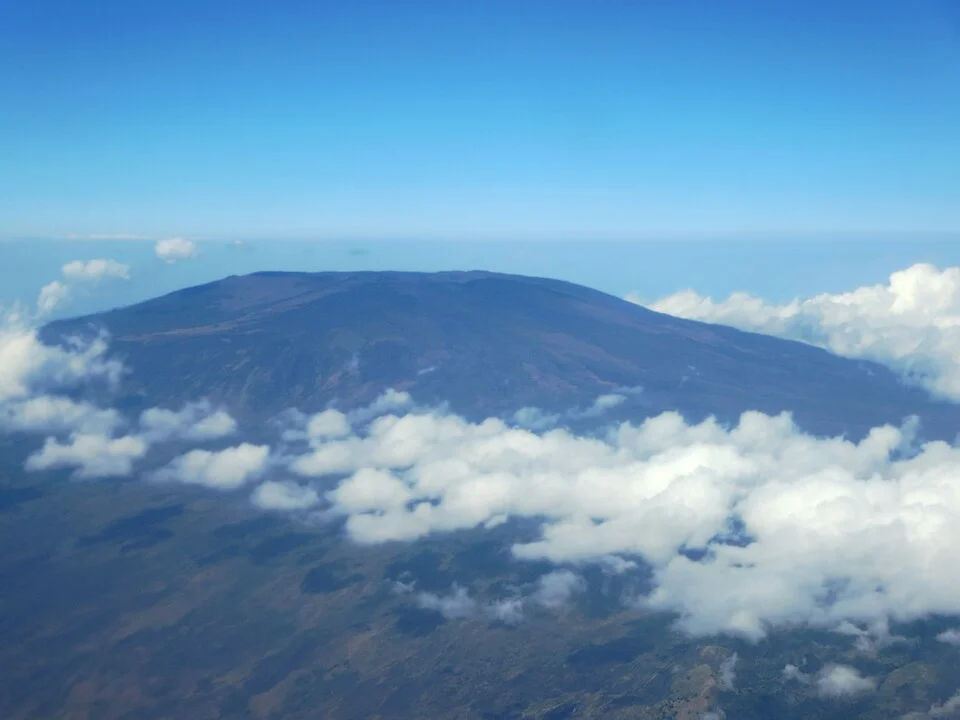

If mountain scenery interests you, discuss a confirmed accessible viewpoint appropriate to the programme you can organise. Looking at a distant natural formation and climbing it are different activities, services and demands. Choose what to carry only after making that distinction; a bag packed for a coast outing is not automatically a mountain kit. If local authorities consider access unsuitable, do not assume that the holiday has failed or that you must wait for a climb to become possible. Reducing the programme can be a complete travel decision, particularly when the available time is short. The image is there to explain the place, not to overrule current conditions.
Pilaou, madaba and coconut at the table
The ONTC's food introduction includes pilaou, a spiced rice dish; madaba, cassava leaves cooked with coconut milk; and samoussa, filled pastries. It also presents chicken in coconut milk and tomato rougail. Choosing one main dish and understanding its accompaniment is a better first full meal than converting every unfamiliar name into a single order. A menu may offer different preparations under a familiar name, so this guide does not impose one kitchen's recipe on the whole country.
In the five-day example, think of the second day's lunch around pilaou and the third evening around a coconut-based main dish with an accompaniment. Samoussa can provide a smaller snack idea, while madaba may fit beside the main plate. These are meal-planning ideas, not endorsements of a restaurant, a price or daily availability. Clarify whether chilli is served separately and what comes with the portion. Leaving a different choice for the next meal gives culinary curiosity some structure. You can remember a table through the combination you selected and the time you gave it, without needing to sample the entire food vocabulary in one sitting.
Anjouan and Mohéli need separate time
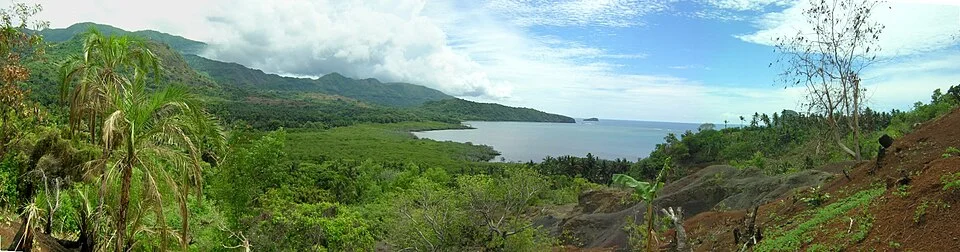
Lake Dzialandzé belongs to Anjouan: the photograph's green slopes cannot be presented as a stop on Grande Comore. The panorama of Nioumachoua's mangrove coast records Mohéli, another island. These scenes show the country's variety; they are not compulsory extensions of a short programme. If you add a second island, give it its own accommodation nights, local transport arrangements and time for a delayed connection. Avoid a final-night plan that turns reaching the main departure connection into a race.

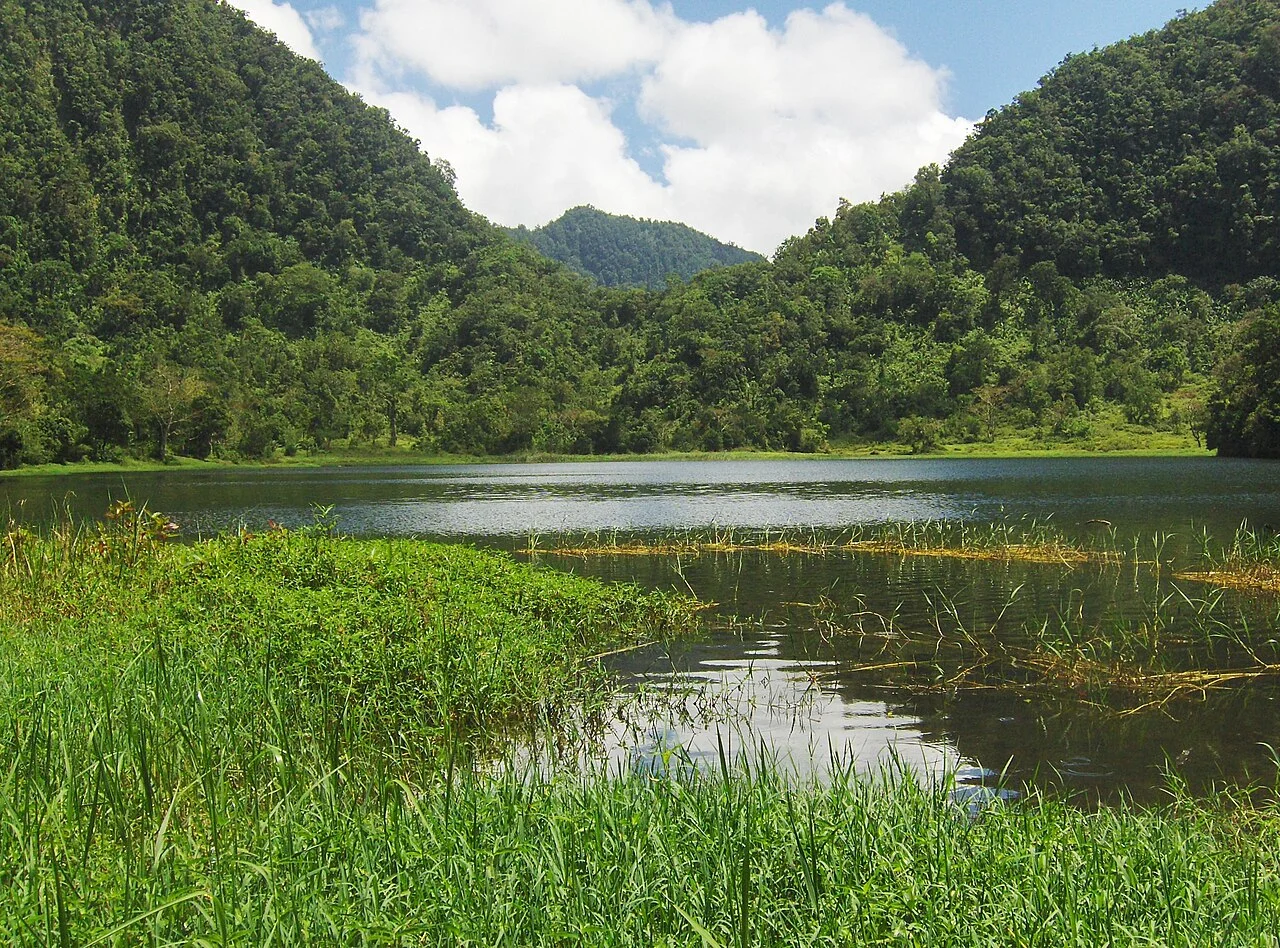

The suggested one-island framework closes with the departure transfer on day five: arrival on day one, a short city and food programme on day two, one coast focus on day three, a flexible local day on day four and departure on day five. Arrange cash and communications before arrival rather than expecting every payment to work through a card or one ATM. Confirm entry conditions for your own passport with the competent authority; FCDO information written for British passport holders is not a universal visa rule. The Stork's invitation is to understand the time, tables and landscapes of one island rather than consuming three islands as a checklist.