
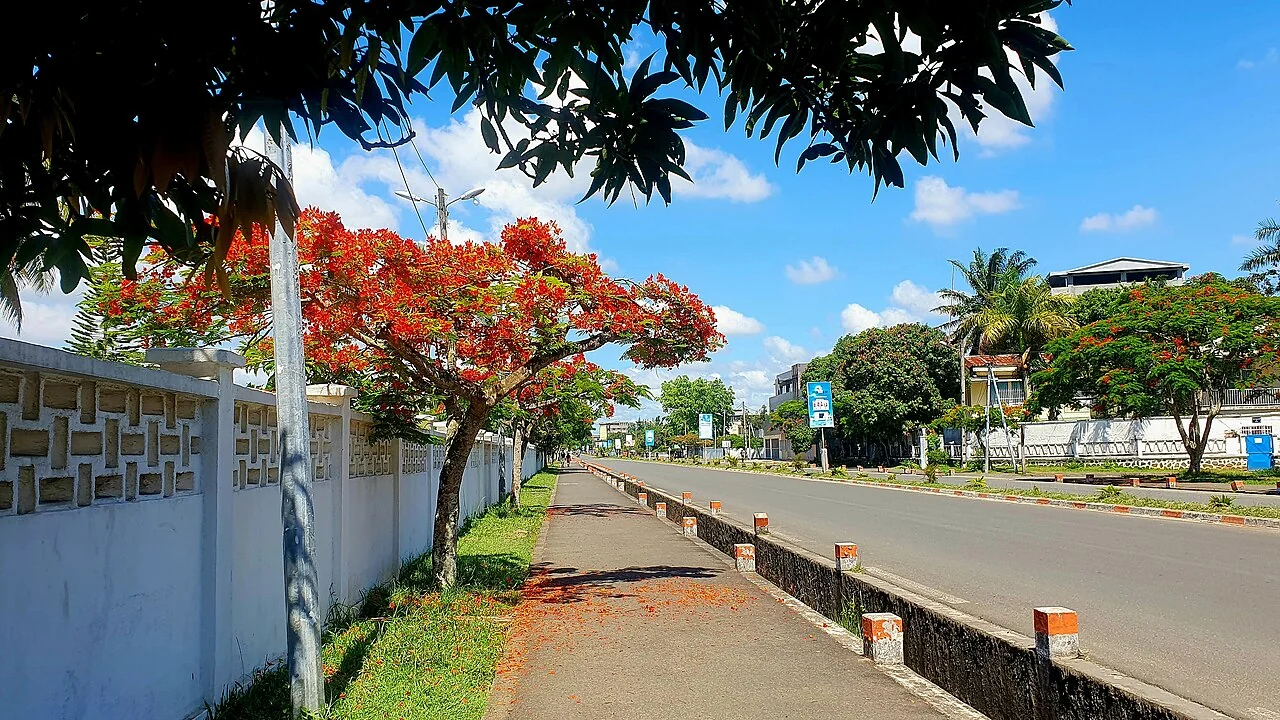
Toamasina: current conditions before a city plan
The Tatilmerkezi Stork opens a condition check before a calendar for Toamasina. Also called Tamatave, this eastern coastal city offers a different reader need from the Madagascar country guide's Antananarivo-Andasibe route or Morondava-Nosy Be choice. The interest is in the old neighbourhood and market geography of a port city, with Ivoloina's environmental education only if access is confirmed. Three nights can allow two complete activity days: arrival and settling in, a short city day with a dependable guide, a conditional second day, and departure the following morning. This is a flexible plan for suitable conditions, not an itinerary to complete regardless of circumstances.
During the 4 October 2026 source check, the national tourism authority's official release named Toamasina among cities affected by demonstrations. Stay away from protest areas, establish current local transport and neighbourhood conditions, and cancel segments accommodation or a guide cannot confirm. Some institutional pages now return a maintenance screen, so older promotion is not treated as evidence of present access. Postponement is appropriate when conditions do not support a city visit. Discussing change arrangements before buying tickets and rooms is more useful than completing every stop on paper.
Old town and boulevards: a short heritage question for day one
The regional tourism office introduces Toamasina through old-town traces and boulevards such as Joffre and Augagneur. For the first complete morning, select a short accessible exterior-architecture segment using a reliable local guide's current assessment. Understanding the relationship between a frontage, pavement and public space does not require walking across the whole city. Ask about a building's period and present use rather than invent a date or family story from its appearance. Private homes, official premises and operational port areas are not entered without permission.
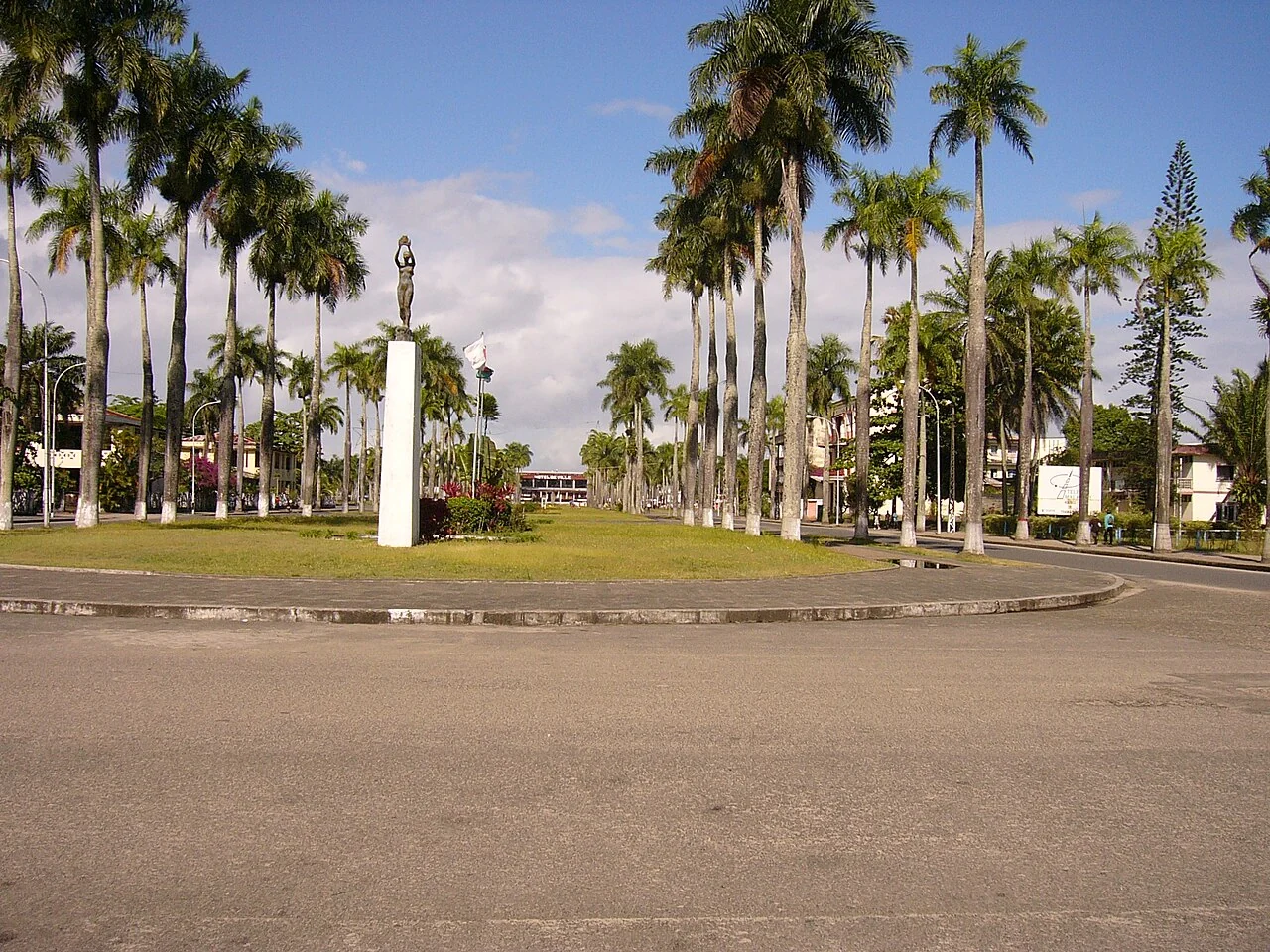

There is also a material 2026 change: UNESCO reports Cyclone Gezani's impact on Toamasina and significant structural damage to the Vavitiana Museum. Reopening has not been established, so this itinerary does not promise admission. A museum or historical neighbourhood named in older promotion is not evidence of current permission. Captions make image dates explicit; pre-cyclone boulevard and shore views do not establish their present condition. Ask the guide about appropriate public exterior areas and do not approach damaged or closed places merely out of curiosity. Observe a city recovering from disruption calmly and respectfully.
Bazaar Be and Bazaar Kely: read shopping within a working city
National tourism information associates Bazaar Be and Bazaar Kely with urban life. Around late morning, give time to one market section the guide establishes as open and appropriate. The aim is to understand how products are sold, rather than complete every stall. A small purchase can begin with questions about the item, measurement and use; do not assume every entrance of a named market is open that day. Avoid obstructing work, and ask before close portraits or stall photographs. For a craft object, establish materials and maker rather than turn an unverified sales story into a definitive statement about local tradition.
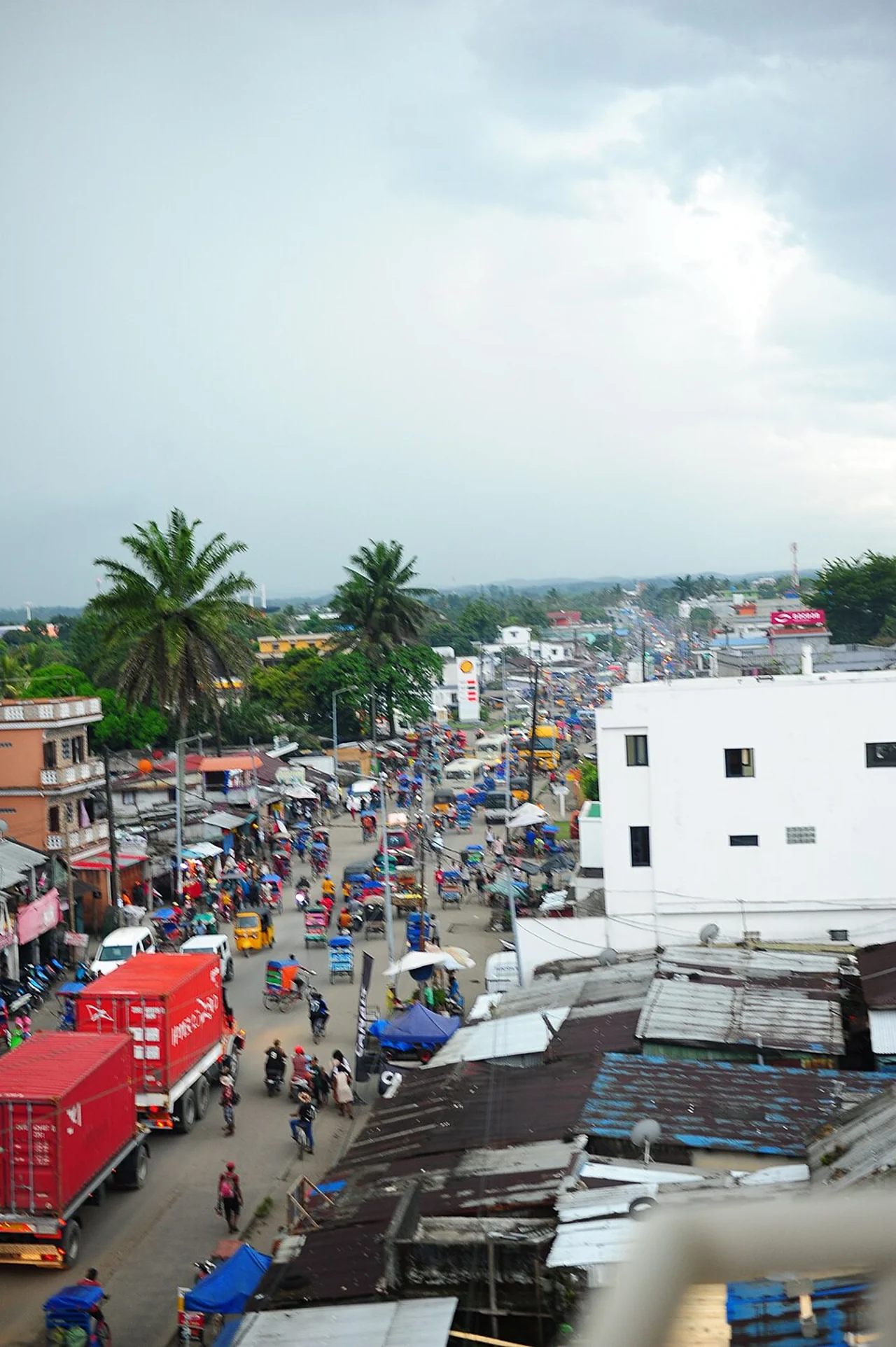

This segment needs dependable daylight transport in both directions. Do not force completion by wandering into another district when rain, demonstrations or closures interrupt it. A suitable meal and rest near accommodation can replace a long uncertain market visit. Keep phones and valuables discreet. Confirm the charge and payment method before taking an item, and ask the guide for local expectations about bargaining. A Toamasina market day is an independent way to understand the relationships of a port city, rather than a decorative addition to a national nature itinerary.
Ivoloina: a second-day option only after confirmation
Madagascar Fauna and Flora Group confirms that it operates Parc Ivoloina. Its visitor-information service identifies an Environmental Education Center and guided interpretation options. That concrete institutional focus is different from a guaranteed lemur encounter: questions can concern plants, habitat and conservation education. Nevertheless, do not schedule an unconditional second-day excursion until current road access, the accessible visitor section and the booking have been confirmed directly for your date. No fixed charge, hour, driving time, particular animal sighting or access to every trail is promised here.


With confirmation, choose one principal guided education segment and organise a daylight return to city accommodation. Ask whether admission and a special tour are separate charges, and establish the language and level children can follow. Without confirmation, use a suitable short urban exterior observation, a meal and rest, or postpone. Research, conservation and visitor areas are not interchangeable. The insect photograph taken at Ivoloina in 2018 supports attention to smaller wildlife; it does not establish that the species will appear in the same place or represent today's conditions. An education-led visit need not become a race to complete an animal list.
A grilled-meat pause and accommodation: keep the evening short
The national tourism source mentions grilled beef skewers in Toamasina's food setting. Consider the example when it is actually on the menu of a business with suitable preparation and current access; a night walk beside the shore is not made compulsory by a meal. Ask how the meat is cooked, what accompanies it and what portion is served. A dish name alone does not establish allergy or dietary suitability. Clean handling and reliable drinking water matter before a view or music. Confirm price and payment method before ordering instead of borrowing current currency or charge assumptions from another traveller.
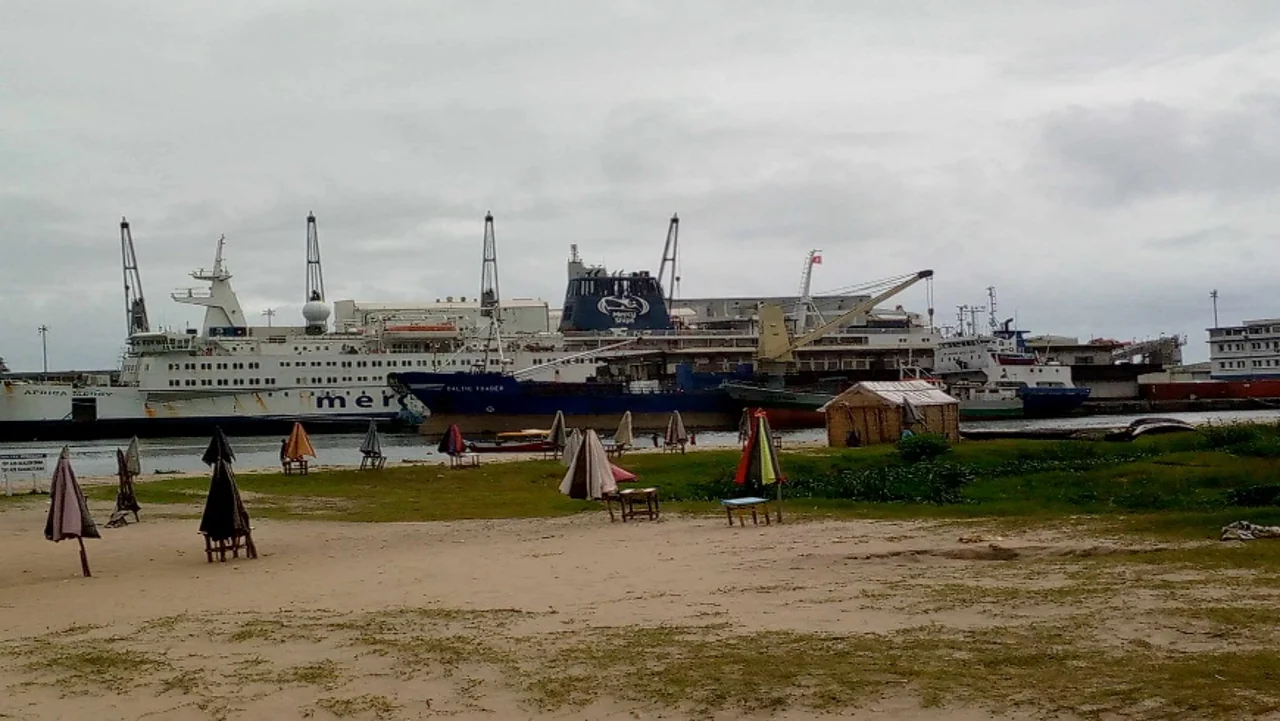

For accommodation, consider usable roads and a dependable return from meals. A central address and a coastal room can create different transport needs; discuss the actual entrance, working water and electricity arrangements and contact in case of delay. A sea view does not establish appropriate swimming conditions. FCDO describes risks on isolated beaches and precautions against night walking; this programme is not built around beach swimming, entering the operational port or nightlife. Returning dependably on the first evening and after the second day leaves time to reassess changing circumstances. Plan an urban meal alongside rest rather than squeeze it into a hurried return.
Arrival and return: recheck the actual service
Madagascar Airlines' official channel identifies Toamasina and offers a real-time flight check. An older flight programme is not treated as today's timetable; verify the ticketed date, connection, luggage conditions and actual service separately. Establish the person, vehicle and meeting place collecting you before arrival. For a long road journey from the capital, obtain information about daylight travel, current road conditions and a trustworthy operator. FCDO records night-road risks and warnings concerning taxi-brousse use; the short city guide does not add an uncertain public-transport promise.
Assess current advice from your own authorities, insurance, entry and health preparation before travelling. Demonstrations or post-cyclone access changes may require revised rooms or flights. An airport or park described as operating in promotion does not guarantee every service on your date. Reconfirm the return vehicle and contact plan on the final night, leaving room for an extra night and communication if needed. The Stork hopes you take away respect for a city's working and recovery rhythm, rather than only a palm-tree photograph. If conditions are unsuitable, leaving curiosity for another journey is part of a dependable plan.