
Knysna: two days of maritime and timber-town history
The Tatilmerkezi Stork suggests doing more than pausing for a lagoon view in Knysna. Combine two different town stories: maritime interpretation around the Old Gaol and the relationship between timber buildings, settlement and the past at Millwood House. This guide is not a short stop in a national Garden Route driving circuit. It serves travellers who want two collection days, manageable town walks and a specific oyster meal from one base. Allow three nights for two full visiting days: settle in on the first calendar day, visit on the next two and depart on the fourth. A single-night stay should select one collection and one waterside break rather than pretending to contain both days.
The municipality's museum information explains the separate locations of five historic buildings. They are not one large exhibition hall. The Old Gaol stands at Queen Street and Main Road, while Millwood House and associated buildings are around Queen and Clyde Streets. On your arrival evening, check the real connections from your accommodation to both starting points. Town photographs provide context rather than proof of objects currently displayed or a business's present counter. Narrow your curiosity to two questions: how did maritime movement affect a settlement's life, and what history travelled with a timber house when it was moved into another town setting?
Day one: the Old Gaol and maritime interpretation
Make the Old Gaol the day's principal collection focus. The museum and official local tourism interpretation distinguish its maritime collection from other town-history spaces. Follow the exhibition actually presented rather than assuming one particular object must be available. With a ship model or transport story, consider hull form, cargo purpose and the connection to settlements along the coast. Family members can each choose one detail; children need not read every label. Spending more time with a room can offer more understanding than racing between entrances. This is a visit shaped by questions about transport and use rather than a checklist of impressive maritime objects.
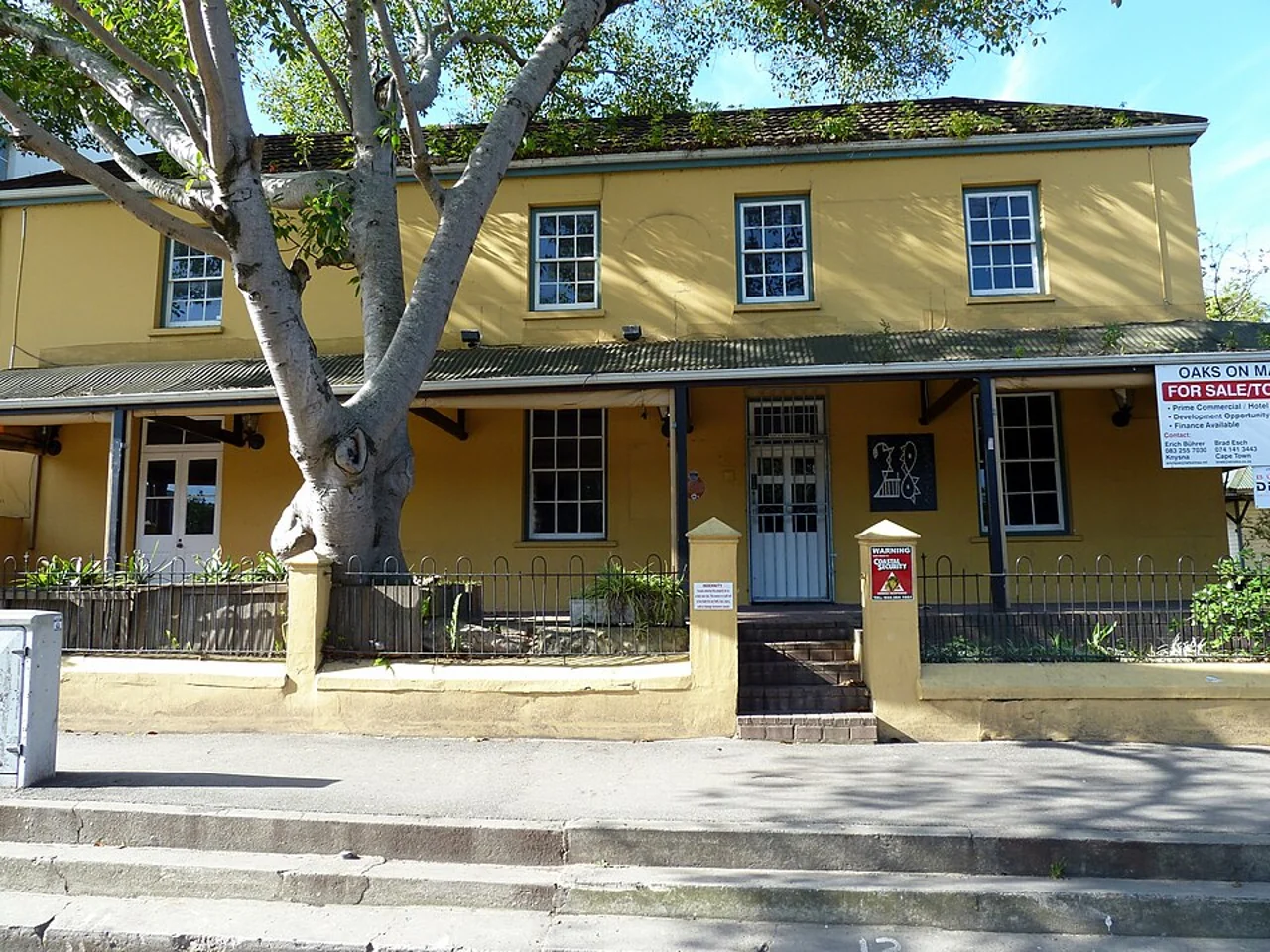

Afterwards, divide the short centre walk with a rest. Knowing the entrance and surrounding street connections before arrival helps prevent unnecessary backtracking on the way to lunch. In rain, shorten the outdoor part and give confirmed collection spaces more attention. The municipal visitor information uses different weekday and Saturday windows, so check dates before treating a weekend as two complete museum days. Speak directly to the institution about special guiding, mobility access or group arrangements. A published opening period does not guarantee that every room remains accessible through a special event, but it provides a useful starting point for arranging an ordinary visit.
Day two: Millwood House and a moved home's story
Treat Millwood House as a separate collection focus on the following day. The institution's own account explains the timber house's move from the former Millwood mining settlement to Knysna and its interpretation of local history. Instead of repeating the previous day's maritime question, examine building material, domestic use and movement between settlements. Moving a house does not reproduce every part of its former surroundings. Compare the exterior, room arrangement and institutional explanation to understand how a historic building can communicate more than an attractive facade. Questions about material and settlement make this a different day rather than a second version of the first collection.
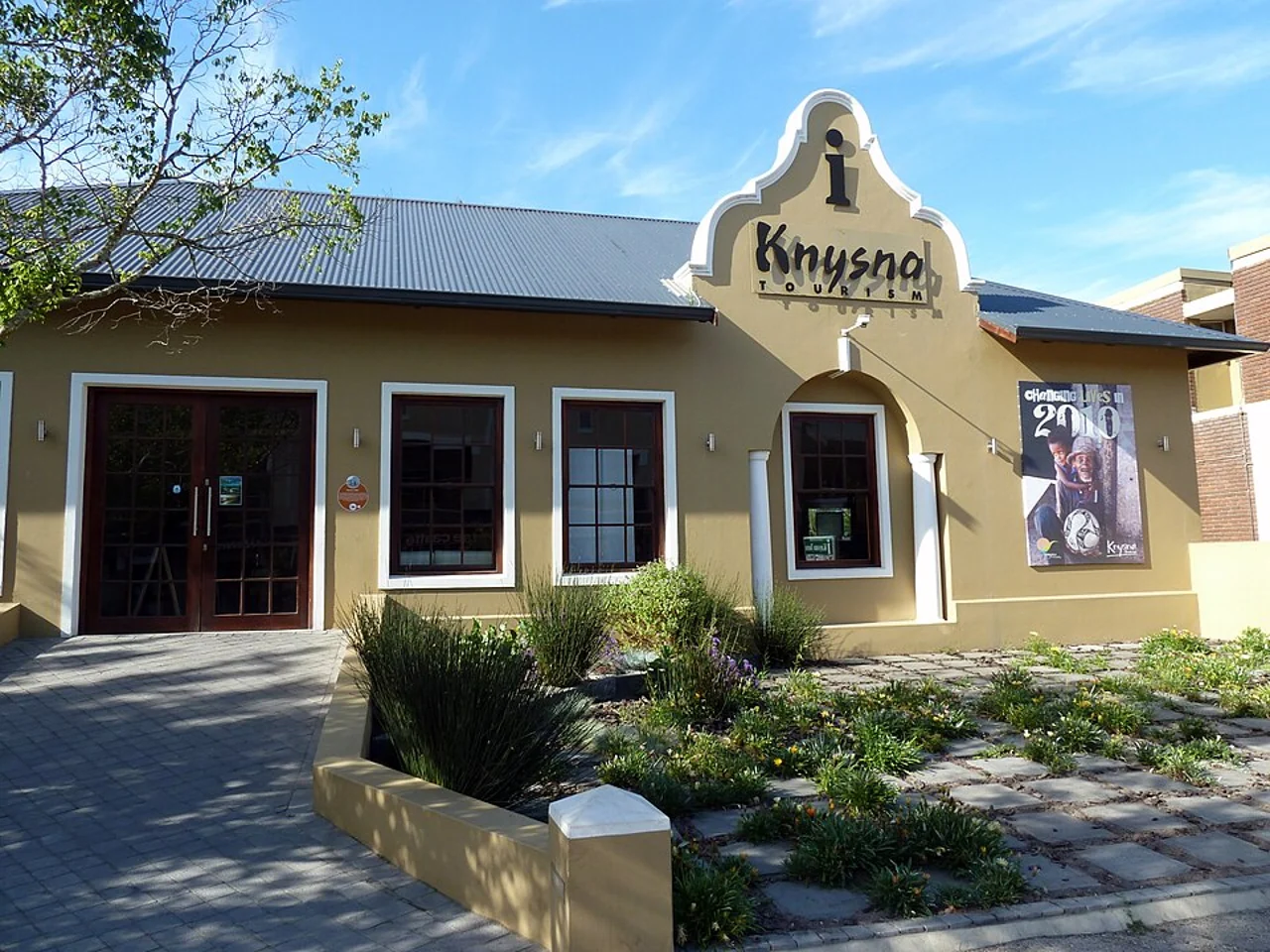

This programme does not automatically include the old mining site or a distant forest trail. Keep the museum's town address distinct from another outdoor route. Afterwards, leave space for coffee or a light meal and compare your notes: do maritime transport and a timber building reveal different kinds of labour? Everyone need not choose the same object. One person might study the material, another an earlier photograph or a settlement explanation. A short town walk can then look for details you have learnt to notice. Do not assume that every historic building encountered belongs to the museum complex or is open as an exhibition space.
A lagoon-side pause after the collections
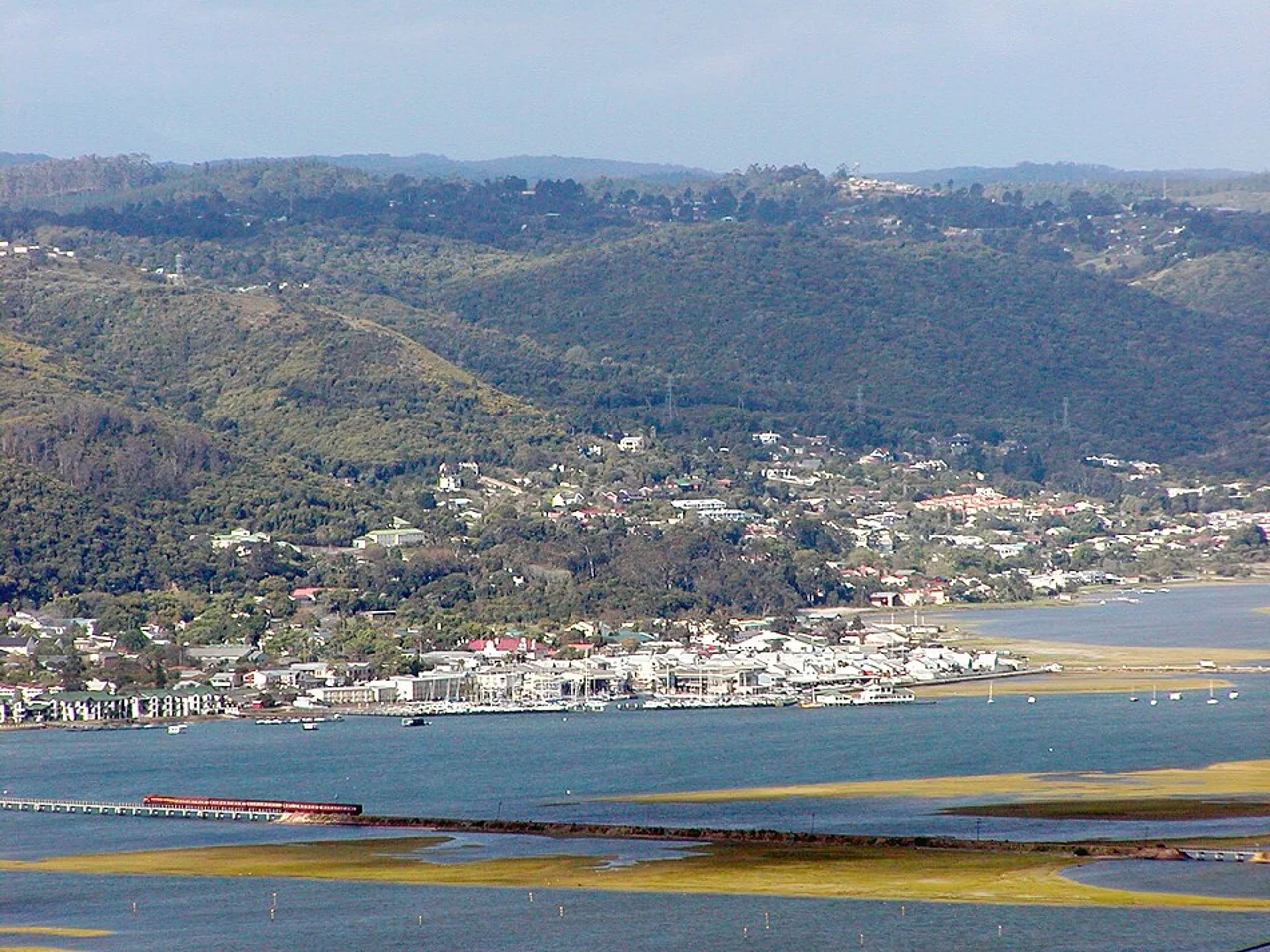
Consider Knysna Waterfront or the Thesen Island area for a short waterside pause after one museum day. These are not collection rooms; they offer an outdoor view of boats, the shore and their relationship to town life. When conditions change, choose an easy return rather than a distant exposed route. Arrange any boat excursion separately with an operator, weather assessment and return conditions. This guide establishes neither an automatic departure nor an exact sailing time. A waterside rest is also different from a swimming programme. A lagoon photograph cannot prove current water conditions or permission to swim safely at that point.


Select the journey from the centre around your accommodation and actual food addresses. For children, use short stopping points instead of long uninterrupted walking sections, considering heat, rain and daylight together. If staying beside the water late, arrange the return earlier in the afternoon. A historic house or post-office image provides townscape context rather than proof of unchanged present-day use. The value of a short two-day break is not reaching every viewpoint but reading the surroundings more attentively after the collections. Leaving a relaxed final evening makes room for that comparison without adding another obligatory attraction or a hurried last transfer.
A specific meal: ask where the oysters came from
An oyster meal in Knysna does not automatically mean the oysters were cultivated in its lagoon. The waterfront provider 34 South distinguishes wild coastal oysters from cultivated Pacific varieties in its own explanation, identifying Saldanha Bay and Port Elizabeth as cultivated-product origins. This guide therefore does not label every plate locally lagoon-grown. If available on the current menu, choose oysters simply, with lemon or in an offered cooked preparation and ask which product is being served. First-time diners might share a modest starter before a different main meal. The interesting connection is between provenance, preparation and taste rather than an unsupported claim of exclusive local production.
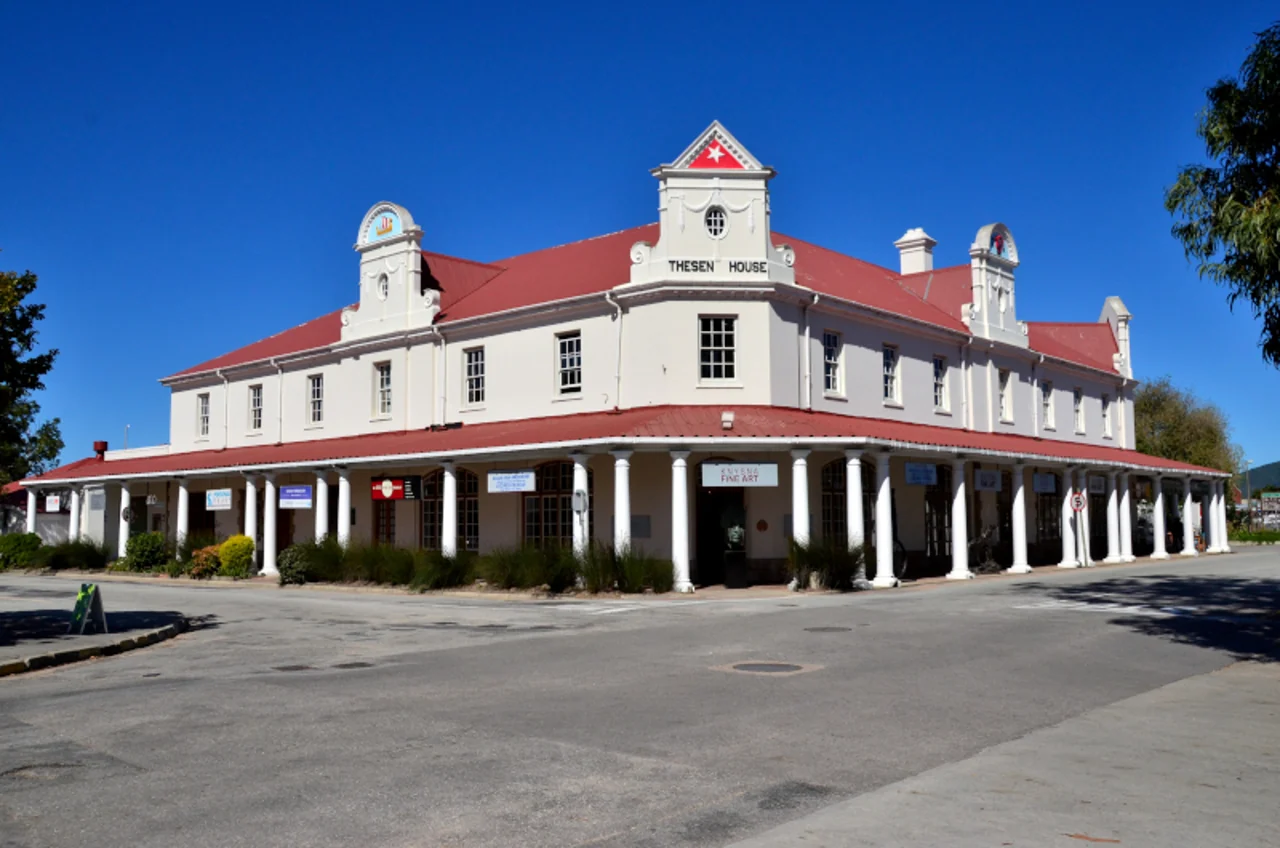

Tapas & Oysters on Thesen Island provides another concrete oyster and seafood option in its own menu. These two addresses are choices, not compulsory stops on the same day. Select the one that suits your museum exit, waterside location and return arrangement. Discuss shellfish allergies or personal requirements concerning raw food with staff before ordering; a brief promotional description is not a full ingredient or handling statement. No current prices or unchanging daily stock are promised here. Linking the meal to maritime interpretation involves learning the product's actual origin and preparation, rather than claiming that everything associated with a town name must have been produced there.
Transport, accommodation and choosing with less time
A central base may suit two museum days and short town walks. Staying around the Waterfront can make a waterside meal convenient, but an accommodation description does not establish a continuous pedestrian connection to both institutions. With a Thesen Island option, check the actual bridge and address route. Separate your intercity arrival from the final connection, considering a hire car, arranged transfer or suitable current service against your real starting point. This preparation promises no particular bus, train or reliably available return vehicle in an app. Resolve luggage and child-seat requirements when booking rather than assuming they will be covered by an ordinary transfer.
With only one full day, select maritime interpretation at the Old Gaol or town history at Millwood House, then add one waterside meal. Passing an entrance is not equivalent to seeing its collection. Longer stays can keep the days separate while adapting to closure, rain or rest. Sources were checked on 5 October 2026; recheck museum visiting windows and the chosen meal's service arrangements before your visit. The Stork suggests one question for the journey onward: how does a model's transport purpose differ from the settlement story of a moved timber house? That comparison makes Knysna a town experience with more substance than a lagoon photograph alone.