
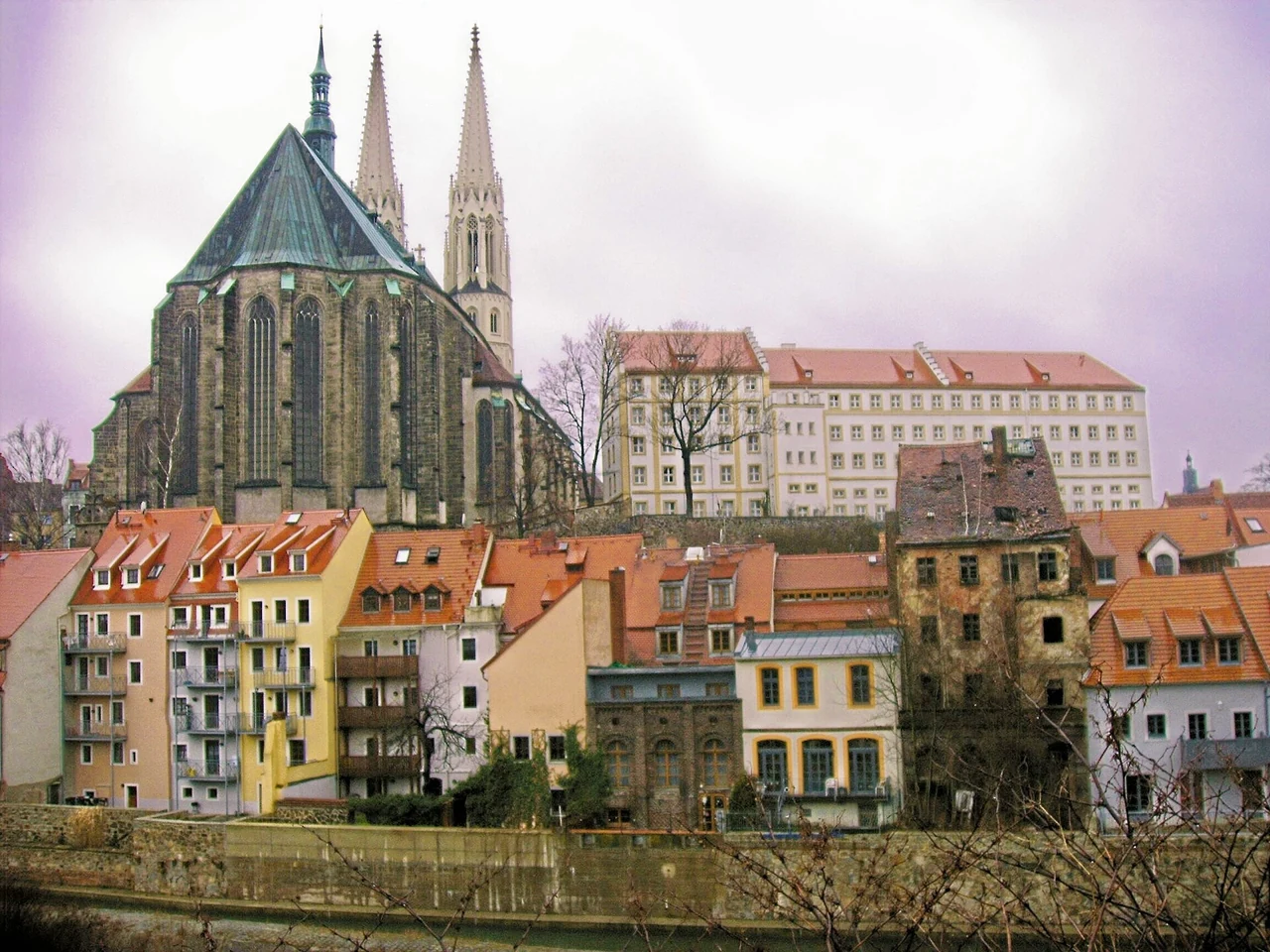
A Görlitz day can be built around two squares, a river and the idea of another bank. The Tatil Merkezi Stork suggests first reading the streets and frontages between Obermarkt and Untermarkt, then making time for the Neiße. If you want to cross towards Zgorzelec, give that a separate part of the itinerary. Taking a couple of steps onto the other side and exploring there are different experiences. A day entirely on the German side can also work well. Put any museum visit or dated church programme into the plan before deciding how much walking to add. The town rewards attention to its living streets and institutions as well as its picturesque appearance.
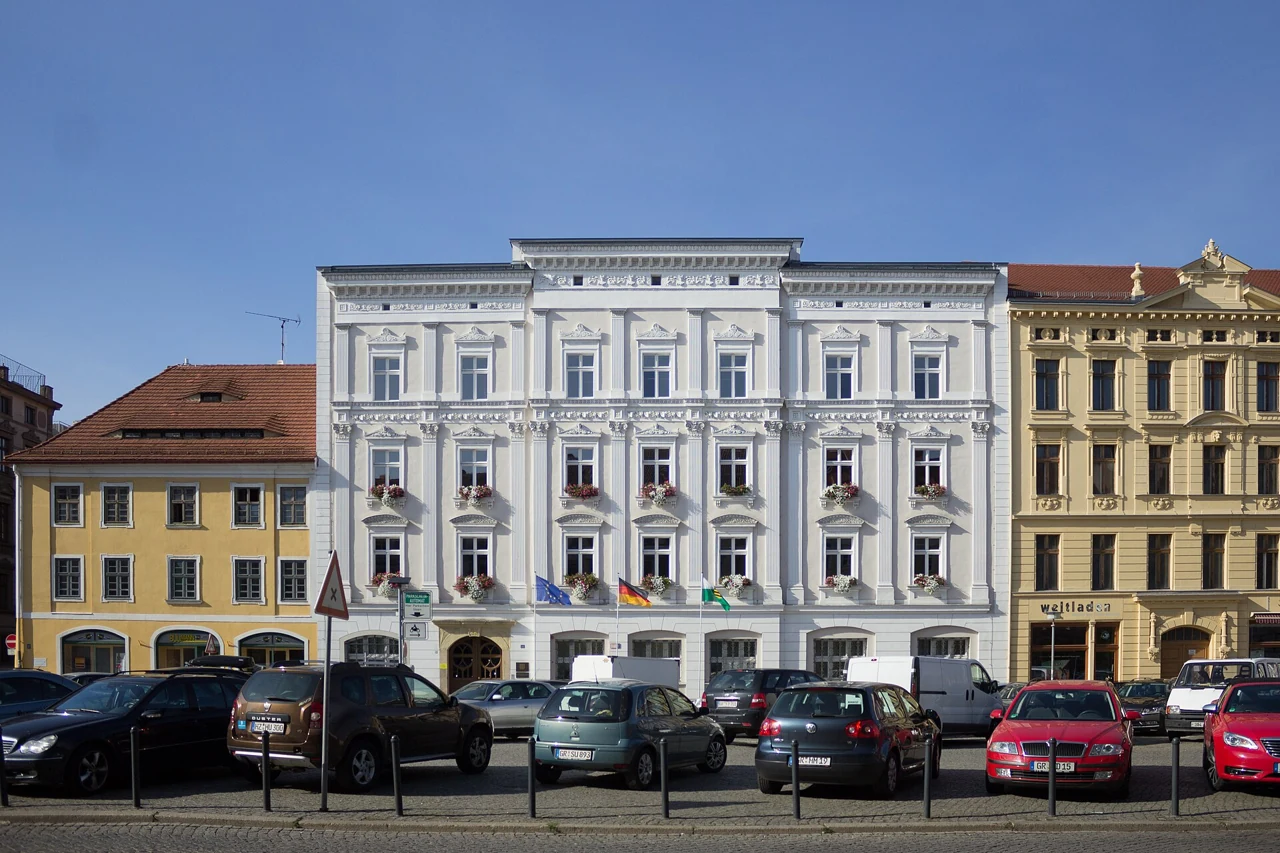
Walk between two squares with different scales
Obermarkt and a walk along Brüderstraße towards Untermarkt provide a clear central spine. Do not assume the squares are interchangeable. Notice the width of an open space, then how the connecting street leads into a tighter relationship between buildings. When crossing to see a whole frontage, account for traffic and other pedestrians. Facades are visible from the street; a courtyard or residential entrance is not automatically a visitor attraction. An open door may be serving the daily use of the building rather than inviting you inside to take photographs.
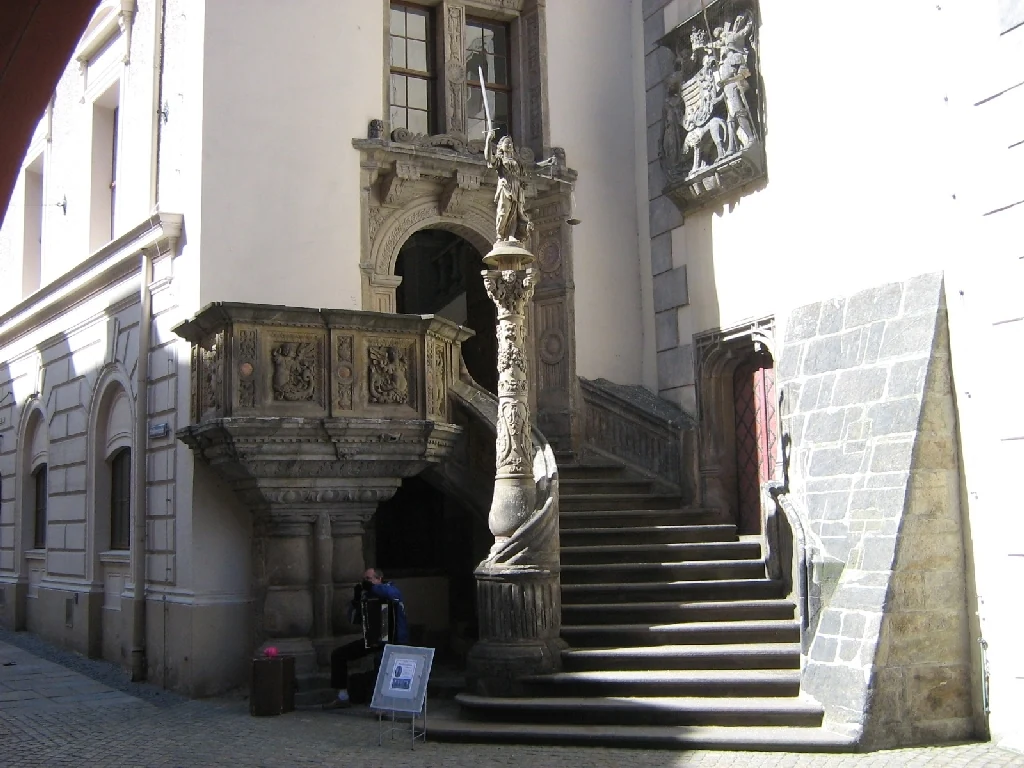
Around Untermarkt, consider the Rathaus portal and the relationship between Schönhof and its surroundings. The municipal building descriptions supply individual background. Instead of attempting an extended history lesson at every facade, select a portal, a staircase or the corner where two buildings meet. Looking at the same detail from near and far shows why a square cannot be fully understood through a single image. Sitting for a drink still lets you observe the movement of the town from another position.
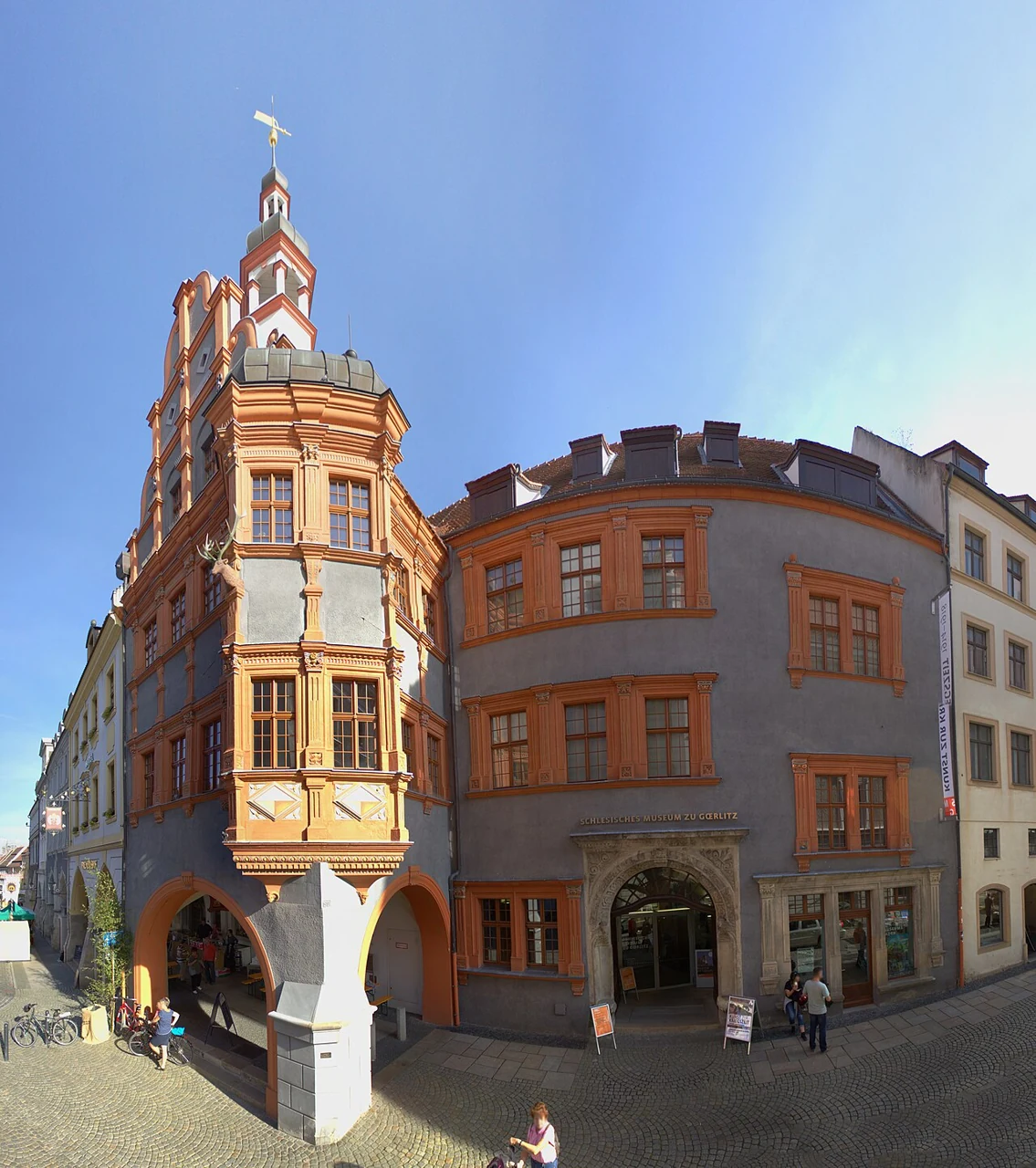
Choose a thread at the Silesian Museum
The Schlesisches Museum’s own website gives Brüderstraße 8 and Untermarkt 4 as its addresses. A visit centred on Silesia can add context to the architecture outside. Decide whether an artwork, an everyday object or the changing life of a region is your starting point. Give that subject time rather than squeezing the entire institution into the interval between two walks. A dated temporary show and the permanent collection are different programmes, so consult the current page for exhibition dates and visiting arrangements.
Choosing a museum may mean shortening the other-bank walk. Giving more time to Zgorzelec may mean seeing the squares primarily from outside. Rain can be a reason to reconsider that balance. The sequence here is a suggestion, not a requirement. In a group, establish where someone who does not want to enter will wait and when you will meet again. The person reading museum material and the person exploring nearby streets can then return to the shared part of the visit without making each other hurry.
Peterskirche and a river perspective
Approaching Peterskirche from Untermarkt changes the relationship between the town’s architecture and water. From a distance the building is part of a silhouette; nearby it belongs to streets and passages. An exterior stop, an interior visit and a music programme are separate decisions. The official town guiding options treat Peterskirche and its Sonnenorgel as particular interests. If that programme matters to you, verify the arrangements for your own date with the relevant institution or guide. This article does not imply a concert has personally been heard.
A riverside viewpoint can assemble pieces noticed on the squares into a broader townscape. Stop in a usable location rather than disrupting the walk to chase a particular photograph. Not every building visible across the river is approached from the German bank. Read the map with its water, bridges and return connections included. With bags or mobility requirements, choose a connection you can actually use, not simply the shortest descent. A comfortable square walk does not establish the condition of every route down to the water.
Allow a distinct part of the day for Zgorzelec
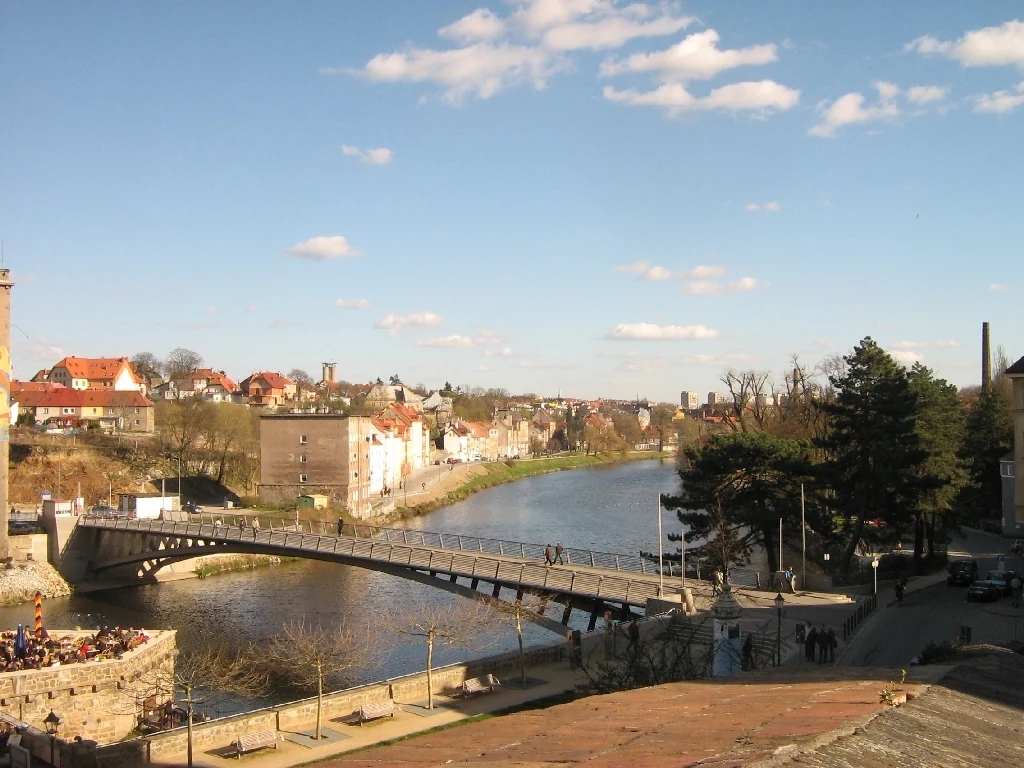
The municipality explains that the present Altstadtbrücke opened in 2004, reconnecting Görlitz and Zgorzelec. From the bridge, both banks can be seen as parts of one landscape. If you intend to cross, check your own travel document and the official entry arrangements applying on your travel date beforehand. Suggesting a short bridge walk is not a statement that entry is unconditional or document-free for every visitor. This guide does not add a cafe or museum on the far side as a fixed stop without verifying that venue.
If the main aim on the Zgorzelec side is looking back at Görlitz, allow time for that view and identify where you will return. A longer town exploration needs its own programme. Consider any hotel or meal arrangement on the German side before setting off. Recognising how the banks relate may be more rewarding than merely saying that two countries were visited. The bridge also carries everyday movement, so keep a photograph stop clear of other walkers.
A celeriac steak main meal at Horschel
The live Horschel operator page links its own menu for the restaurant at Untermarkt. The linked menu includes Selleriesteak, a celeriac steak with red-wine sauce and seasonal vegetables. The operator explicitly describes seasonal changes and gives 5 August 2025 as the PDF update. This is therefore a verified example from the currently linked menu, not a guarantee that the same plate will be available on every visit. Ask about the day’s preparation, availability and dietary requirements when arranging a table. A seated meal in the centre can provide a useful break before the river section.
A real hotel on Untermarkt and the station connection
Hotel Börse, at Untermarkt 16, is an actual accommodation option. Its operator describes a lift and states that the hotel has no restaurant. Discuss access and luggage arrangements for your specific room and organise meals independently of the overnight reservation. The DB Görlitz station page gives Bahnhofstraße 76. Check the real departure, connection changes and relevant lift information for the travel day. Allow time between the final river stop and the platform for collecting bags and finding the route. Staying overnight lets the museum and the two-bank idea fall on different days, leaving more space for the details between the squares.