
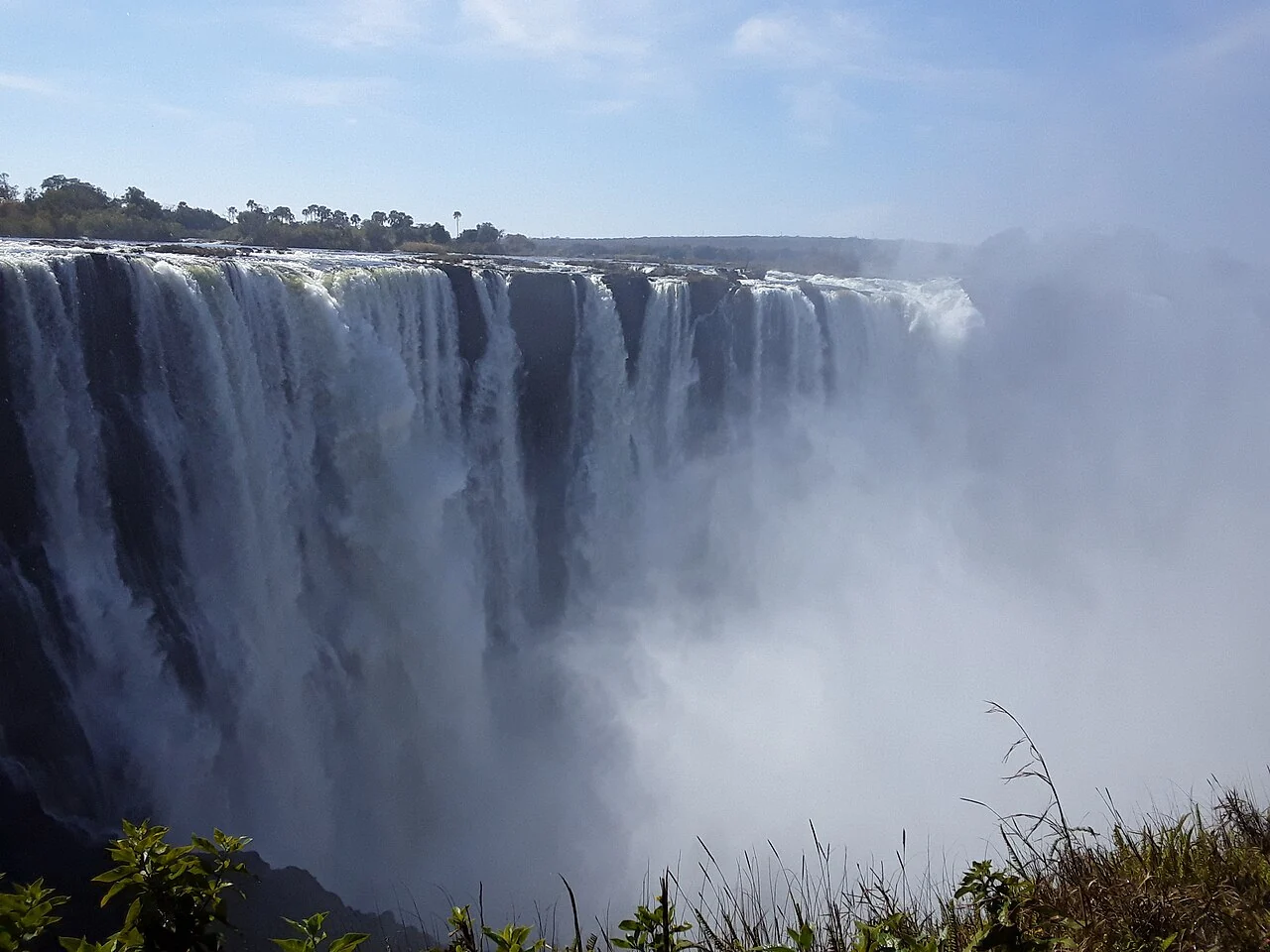
The Tatilmerkezi Stork starts planning Zimbabwe by making a choice on the map: is this trip about a waterfall and safari, or a stone city and a rock landscape? Victoria Falls and Hwange form a strong first nature pairing. Great Zimbabwe and Matobo are better treated as a separate cultural and landscape chapter. Instead of combining every major attraction within one week, this guide offers two different scales. Allow seven nights for the nature route, and additional days with confirmed connections if adding the cultural section. Think in terms of time at each base rather than a collection of long drives.
A seven-night nature framework
An example uses the first three nights in Victoria Falls, the next three in Hwange, and a final night back in Victoria Falls if that fits the flight arrangement. Day one is arrival and rest, day two a waterfall walk, and day three a flexible day or a separately confirmed guided activity. Transfer to the selected Hwange camp in daylight on day four; leave days five and six for safari. Return and rest on day seven, then fly on day eight. This is a planning example rather than a bookable package: use it only if the actual vehicle and camp connections fit your dates.
Every accommodation change consumes some activity time. Three nights in one safari base allow a better balance between early departures and midday rest than a rushed one-night detour. If wildlife is not your main interest, do not make Hwange compulsory; a shorter, quieter waterfall visit may be more suitable. Great Zimbabwe is not an easy afternoon outing from the waterfall town. Seeing photographs of places together does not mean that they are close to one another. The travel between sections deserves a separate decision.
Victoria Falls: a walk and an adventure are different commitments
Follow the official visitor route and open viewpoints on the waterfall day. Consider light, weather and your own energy when choosing a morning or afternoon visit; no single hour is best in every season. Water levels and spray change. Shoes suitable for wet ground, protection for devices and an unhurried pace are more useful than racing for photographs. Moving beyond a barrier or approaching a cliff edge is not an acceptable way to improve a view.
ZimParks identifies the airport-to-town connection as a road transfer; arrange it around your actual flight. A town base can simplify meals and meeting points, while a more distant property needs clear return arrangements. Rafting, bungee jumping and boat activities are not assumed parts of this itinerary. Each requires a competent operator, current operating conditions and relevant insurance. A visit to the Zambian side is another separate choice: confirm border and re-entry requirements for your own passport before making the day's schedule depend on crossing.
Hwange: select the camp before selecting the safari
Do not book as though Hwange had a single entrance. ZimParks gives different access arrangements for Main Camp and Robins Camp. Ask which gate and road actually serve the accommodation. The distance between an airport and a camp cannot be calculated reliably from a straight line on a map. Obtain written details about transfers, safari vehicles, guiding, park-entry administration and meals. Remaining at one base allows time for early outings and avoids adding a long road journey after every wildlife session.
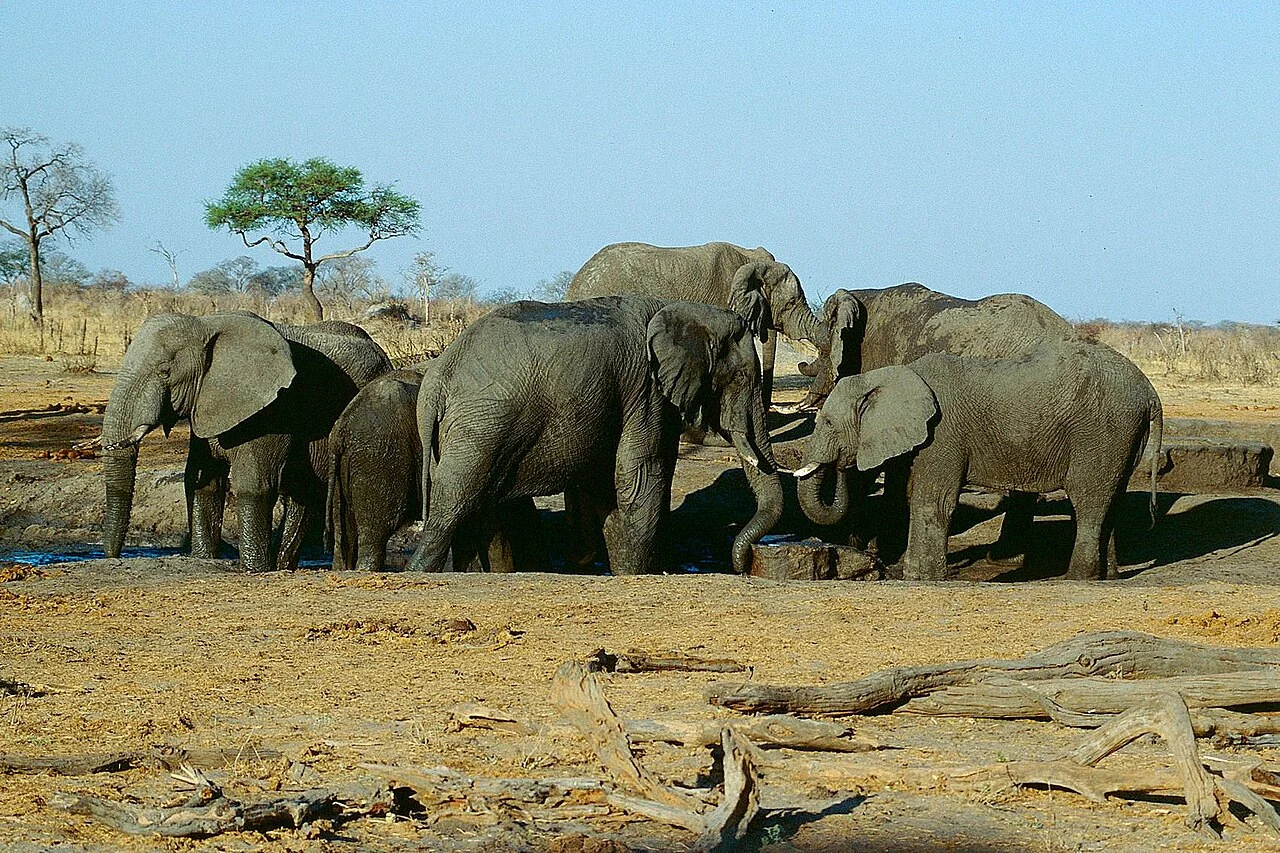

Animal sightings are not a promise; they require observation, patience and appropriate behaviour. Follow the guide's approach distance and instructions about leaving the vehicle. An elephant photograph does not guarantee that a herd will appear at a particular hour. Balance quiet viewing with rest during the middle of the day. A walking safari is not suitable for everyone: ask about fitness, age restrictions, operator competence and insurance separately. Choose an authorised, properly managed activity rather than walking independently in an area containing wildlife.
Great Zimbabwe: a separate cultural chapter
Great Zimbabwe near Masvingo deserves time to explore Shona history through stone walls and settlement patterns. UNESCO highlights the site's importance as a medieval trading centre. Do not reduce the visit to a photograph of a tower. Listen to a guide's explanation of the different sections and historical interpretations, and remain on open visitor routes. Climbing walls or moving stones is not part of the experience. If considering the elevated section, check the ground and suitability for your mobility needs.
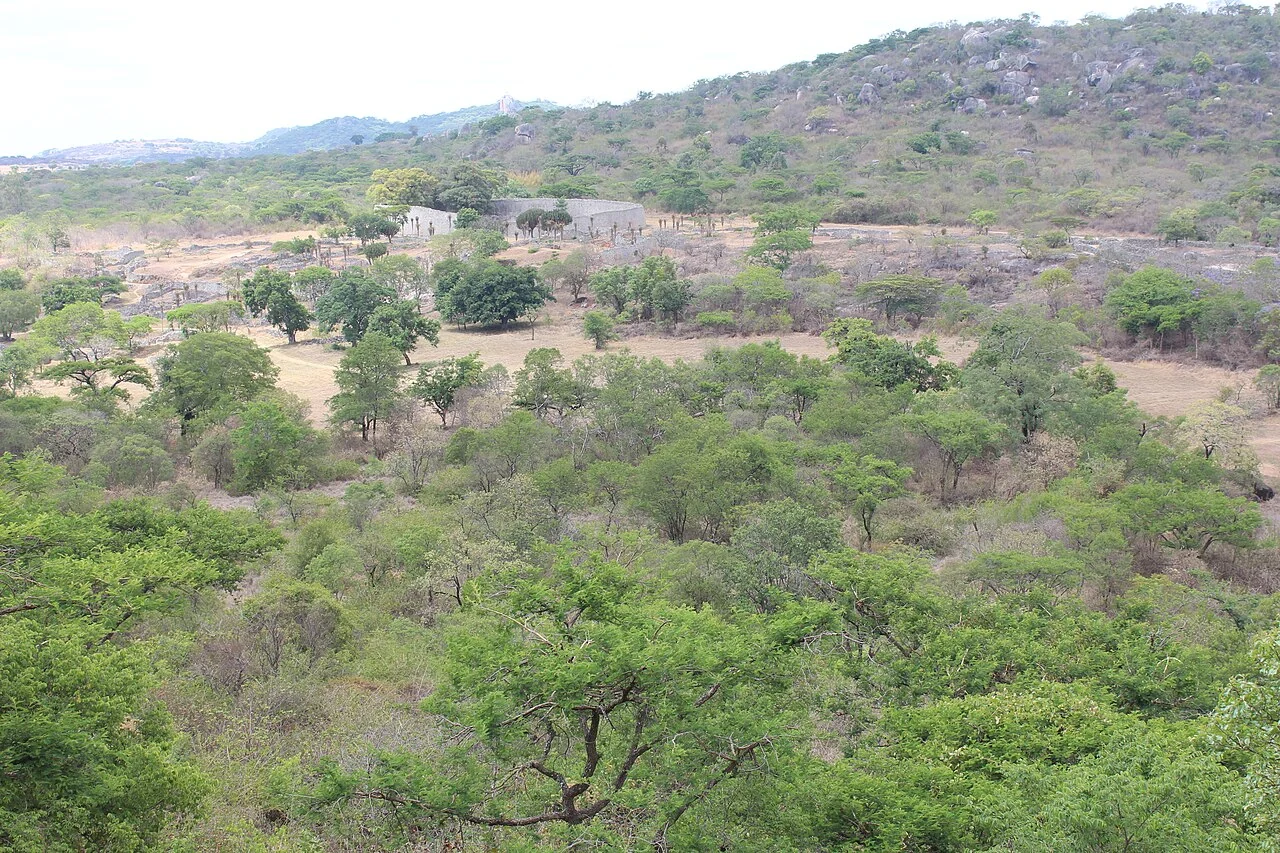

Adding this chapter to the nature week requires extra days for a verified flight or long road connection, accommodation near Masvingo and a workable departure arrangement. A visitor focused on history could instead shorten the nature section and make this the main route. Leave the archaeological visit for the morning after arrival rather than demanding a substantial walk after a long transfer. Choose a town base near everyday services or a place that simplifies the site visit; evening meals matter alongside distance.
Matobo: rocks and local interpretations
Matobo, reached through Bulawayo, meets a different interest from the stone-city visit. ZimParks notes that some roads need a high-clearance four-wheel-drive vehicle; do not assume an ordinary rental car can reach every part of the park. Choose an open route with a guide and assess wet, slippery rock surfaces. Make time for rock art and local histories rather than reducing the landscape to colonial graves. The stories of communities connected with a place deserve attention alongside the view.
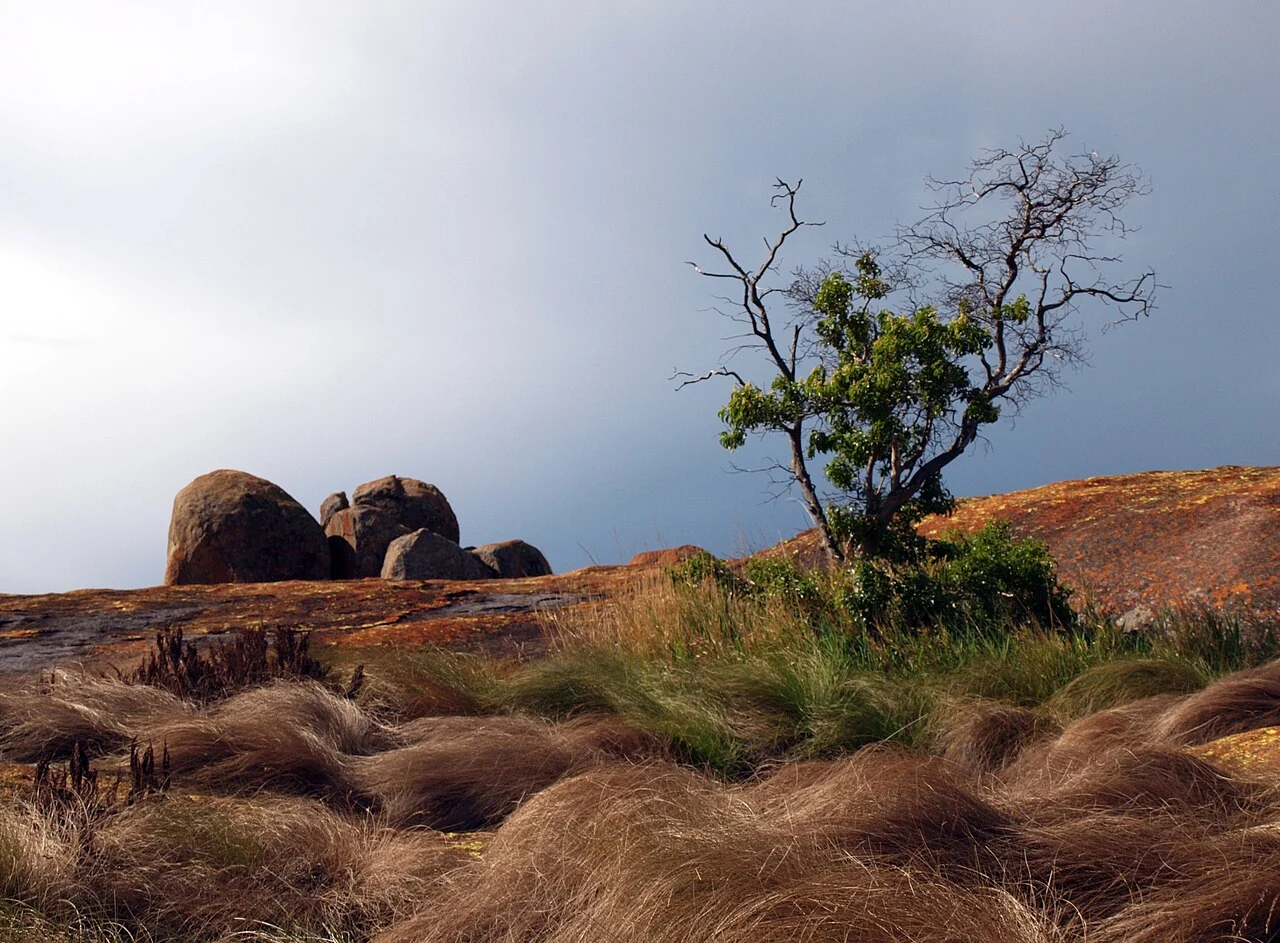

If Matobo matters to you, allow a separate base around Bulawayo and a nature day. Do not place it and Great Zimbabwe on the same day: allow a genuinely workable transfer and rest between them. With only a week, choose between the waterfall-and-safari route and the culture-and-rock-landscape route. Seeing fewer places can provide a fuller experience than a hurried national circuit. Obtain current information about permitted walks, animals and guided activities; a historical photograph does not establish today's access conditions.
Build a meal around sadza
UN Tourism's Zimbabwe gastronomy publication describes sadza as a staple accompaniment made from maize and other grains. If available, choose a main meal combining it with meat or fish and vegetables; kapenta is another fish option named by the publication. Ask about the grain and sauce ingredients rather than expecting every establishment to use the same recipe. A light breakfast before an early safari, adequate lunch on returning and an arranged evening meal fit the nature-day rhythm.
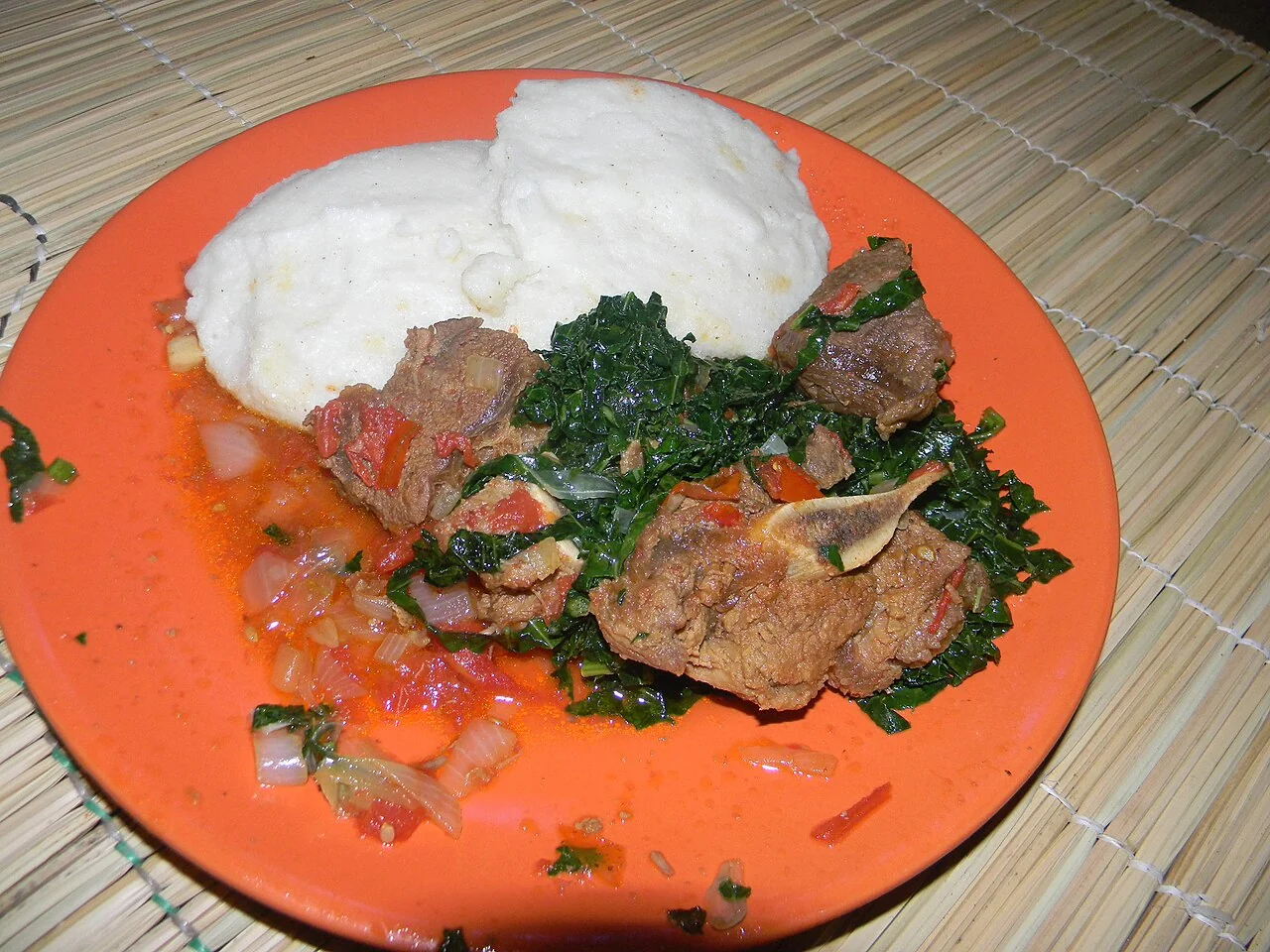

On the cultural route, discuss the meal stop with your host or driver instead of improvising during a long transfer. Explain requirements for vegetarian dishes, allergens, packed food and drinking water in advance. Sampling local cooking does not require a dangerously busy day. Asking about preparation during a relaxed meal may be more rewarding than rushing to another attraction simply to add a stop.
Current transport, entry and safety checks
In the 4 October 2026 review, FCDO recommends avoiding night driving outside main towns and checking safari-operator competence and the airline safety list. Payment arrangements, power and water interruptions can change. Avoid demonstrations and photographing sensitive official sites. Do not assume passenger trains are running; consult the official operator. Check entry requirements for your passport through the Department of Immigration eVisa site. No fixed fare, flight schedule or visa exemption is claimed here. Review the final arrangements again before committing reservations.