Before choosing a year-end trip, discuss what kind of evening you actually want. The Tatilmerkezi Stork compares London, Paris, Venice, Berlin and Prague through daytime interests, meals and returning to accommodation rather than ranking celebrations. These are separate journey alternatives. You might want a historic setting in one city, a district's food surroundings in another, or a limited cultural day. The evening need not depend on a major show. This guide does not guarantee a future celebration programme, fireworks location or special transport. Check actual event, admission and transport conditions for your date through the responsible source. Considering the day's beginning, main meal and overnight address together makes the alternatives easier to distinguish. Companions can want different evening rhythms, so make the shared section clear before adding activities.
London: connect daytime interest with the evening return
Choose a daytime focus first: observing a historic setting, visiting a cultural place or exploring a food environment. Do not turn all three into a compulsory list to finish before the last evening. Review the connection from accommodation to the first stop and back after eating through TfL's date-specific journey planner. Do not assume an ordinary daytime connection runs identically later that night. For someone who does not want to remain outside very late, a meal and limited surrounding observation can form a sufficient programme. Make the meeting point clear so people following different interests know where to gather again. Choose accommodation through those movements rather than only the view in its first photograph. A more understandable route can be more useful than a longer list.
Visit London introduces fish and chips. Where offered, it can provide a concrete option for the evening's main meal. Learn actual ingredients, portion and service style. A market tasting and seated dinner need different amounts of time. If arrival is late, leave settling in and eating visible in the programme. Avoid squeezing a distant cultural visit into that limited evening merely to add another place. If leaving the next morning, luggage, breakfast and departure movements also belong to the plan. London's example connects the day's interest with the return at night. If an event is wanted, add its actual beginning and finishing conditions to that underlying arrangement rather than allowing an imagined programme to determine the whole stay.
Paris: make walking and eating two distinct evening decisions
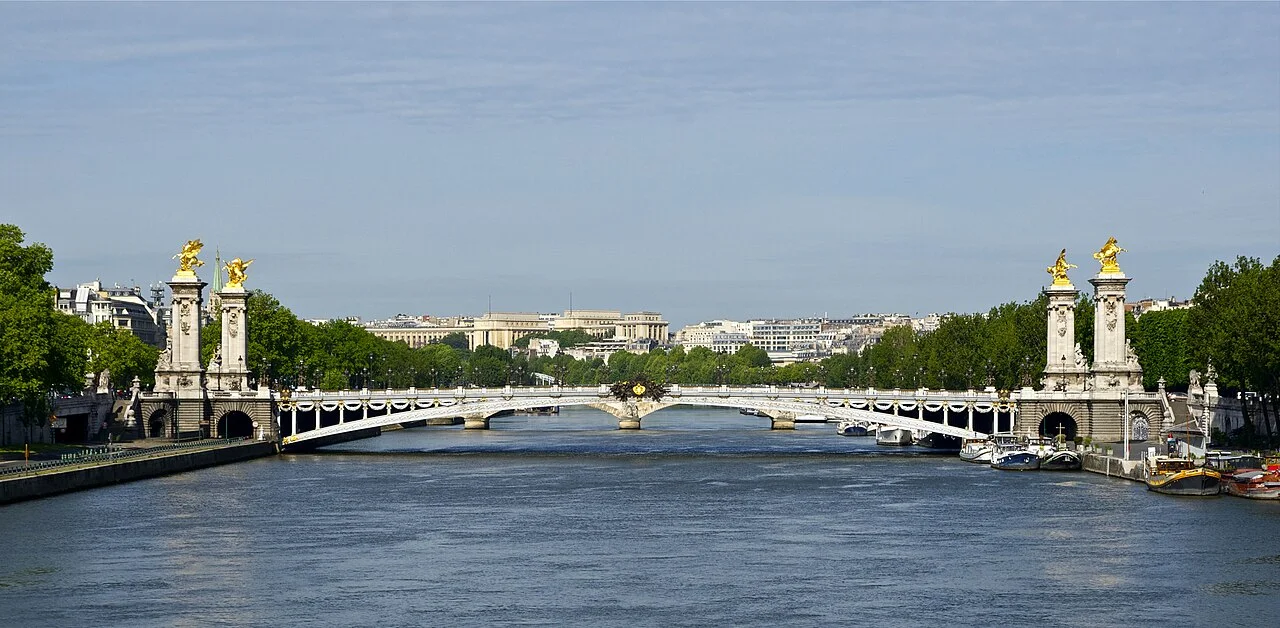
Separate the chosen walking setting from the section where you want a seated meal. Looking at riverside surroundings, entering a cultural place and having a long dinner need not fit within the same short period. Connect the end of the walk with your real accommodation address. Do not make every bridge visible within a busy scene a visit target. Stopping in one limited area to observe details can also provide a city experience. Discuss which interest to retain if rain or tiredness shortens the outdoor part. If arranging an evening meeting, choose one understandable starting point for companions who have moved separately beforehand. An indoor alternative should suit what you want to see, not simply expand the list.

Paris's official food source introduces options including croissant and croque-monsieur. The former can join a bakery pause; the latter, where offered, can inform a meal choice. Do not treat them as identical dinner formats. Learn the actual product's contents. Keeping the following morning's bakery visit separate from the night programme can clarify the day. Do not equate a business's special-date menu with normal daily service; consult its current conditions directly. Paris's example connects street observation with eating time without merging them into one hurried stop. The area where you finish the evening may differ from the most striking daytime photograph location. Choose the return arrangement through what your companions actually intend to do.
Venice: build the evening around bridges and the real address
A Cannaregio setting and another distant area are not necessarily one small walk. Consider actual movement from the chosen beginning to eating and accommodation. Bridges and arriving with luggage involve different needs from relaxed daytime observation. If you want a main-square setting, treat that as a separate evening preference rather than assuming every street visit must continue there. Understanding one limited area before another interest can make the programme clearer. For an interior visit, check the place's current admission conditions through its source. Observing the exterior setting involves a different programme. Leave room to decide how much walking the group wants after dinner, especially if arrival has already involved carrying bags and settling into a new address.


Cicchetti or sarde in saór, where offered, can provide local tasting options introduced by Venezia Unica's gastronomic source. Distinguish small tastings from a main meal and learn actual quantity and ingredients. The idea of tasting in several places does not mean everyone wants the same movement rhythm that evening. Discuss which setting you return to after eating before choosing accommodation. If transferring luggage to another address, include that time within the day. Venice's example avoids selecting the night only through a famous image. Historical street context in a photograph does not show a special year-end event; a current programme requires consulting the responsible source separately.
Berlin: plan one district focus without enlarging the evening
Rather than putting several districts into one short evening, choose a food setting and one daytime interest. Assess the transfer between them and the return for the actual date. A distant accommodation address makes sense only if it fits those movements; a room photograph alone cannot answer that question. Visit Berlin introduces currywurst. Where offered, it can inform a limited local meal, but use actual ingredients and portion to assess the main eating need. Separate a small tasting pause from a long seated occasion. If companions need not finish in the same place, keep meeting and departure decisions clear. An early departure the following morning may lead you to choose a more limited final section.

Prague: place a calmer meal beside a historic-centre introduction
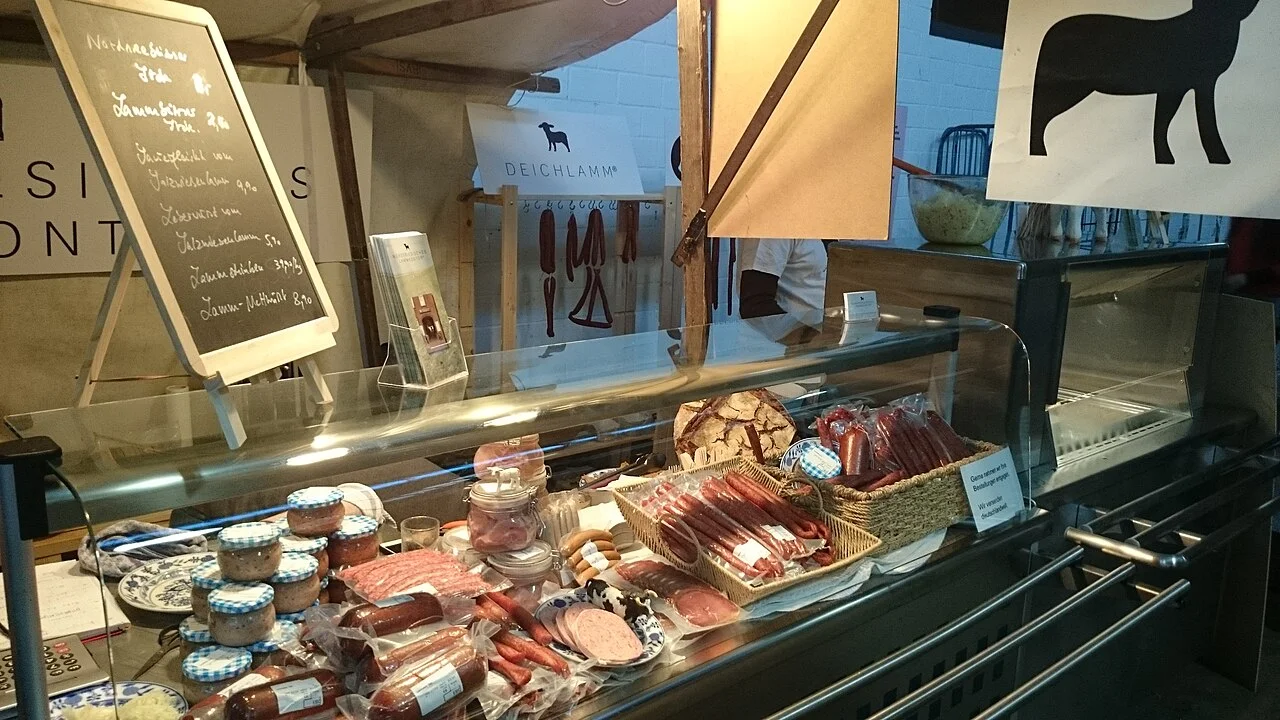
Make the selected historic-centre walk, a small tasting and seated dinner distinct decisions. The official city source introduces chlebíčky-style open sandwiches. Where offered, these can provide a concrete snack between walking sections; do not automatically treat a snack as the main meal for the entire evening. Review return connections through the real address and leave time for next-day departure. Compare daytime interest, meal format, evening length and return needs across the five cities. More stops do not automatically create a better year-end break. Constructing an evening that fits your companions and checking date-specific services through their sources is more useful than following a general celebration list. The resulting plan can include quiet observation as well as any independently verified event you choose.