
Increasing leave days on a calendar and making better use of the time left for a visit are different things. The Tatilmerkezi Stork considers travel-day planning here rather than making legal claims about workplace leave conditions. Make the time you actually have visible through arrival, full sightseeing, changing location and departure sections. Then choose which interest deserves that time. Bruges, Copenhagen, Lucca, Kyrenia and Bristol illustrate different decisions; you need not combine them in one journey. Another night's accommodation does not always add a full day. Moving between addresses, luggage and arrival arrangements also use the programme's time. The purpose is to explain what fits within the days you have, not guarantee longer leave. Companions may want different rest and movement rhythms. A shared focus, meal and return arrangement can make the break clearer than filling every day with stops.
Bruges: give a short arrival day a small central focus
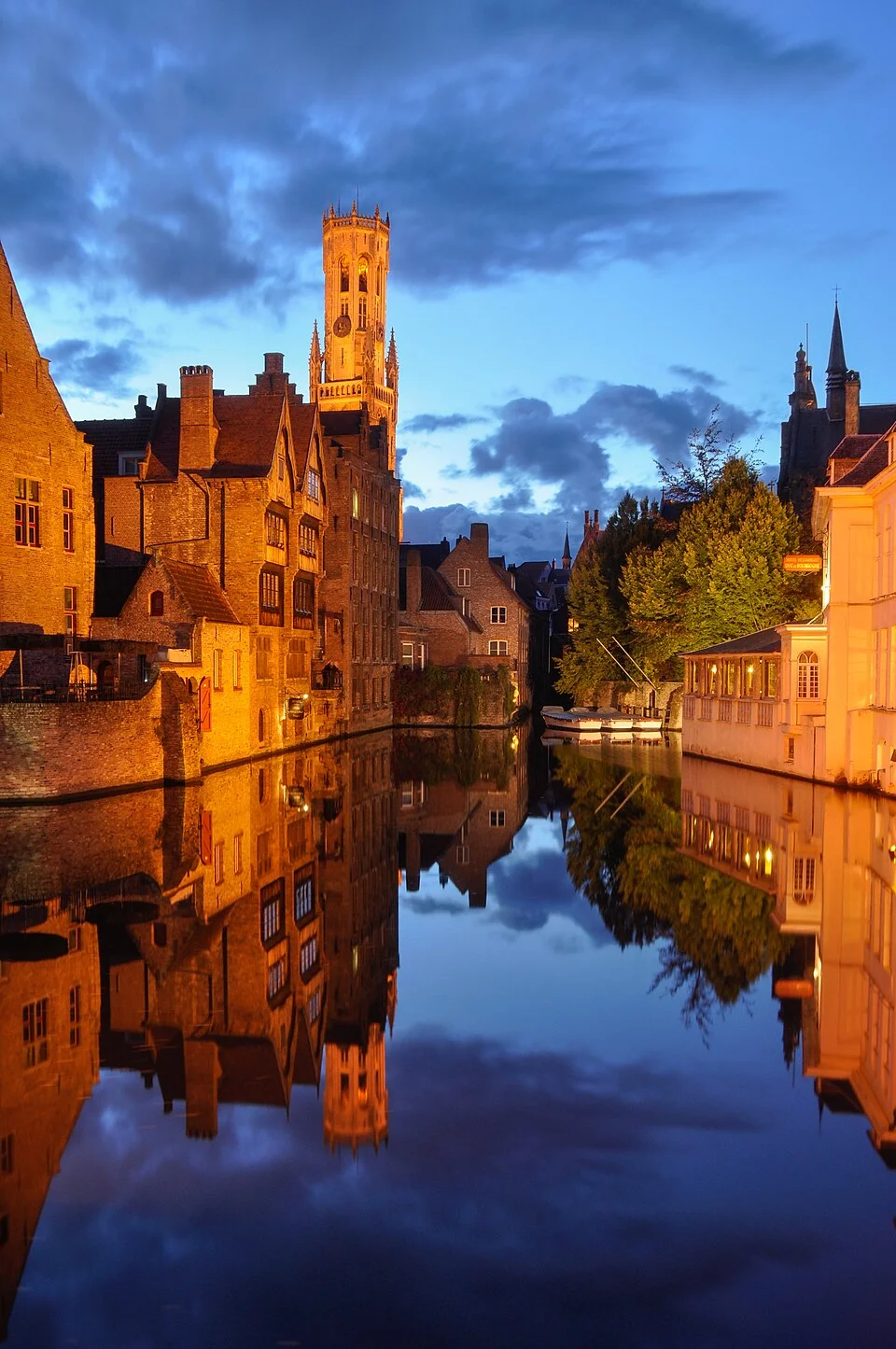
Bruges' official source introduces central and canal settings. If arrival leaves limited time, choose one central section. A square observation and nearby canal walk can provide enough beginning after reaching accommodation. You need not add every street or a boat trip to the same short period. Learn actual services and starting conditions if considering a boat. The connection from arrival point to room belongs within the available time. A day when you have not yet settled with luggage involves different needs from a comfortable central day. Assess where the first evening begins and ends through the real address. You may prefer to see after arriving whether you still want more movement. A limited beginning is a valid choice, not a missed opportunity to complete a list.
Waffles or chocolate, where offered, can join a short tasting pause; the official food source introduces them. Do not automatically count a sweet as dinner. Arrange the first main meal and next morning's beginning separately. Learn the actual scope of included breakfast at accommodation. Before adding a nearby city, consider how much of the full day intended for Bruges would become travel. Leaving the arrival day small does not require compensating with more stops the next morning. This example uses leave time according to the first evening's actual movement needs. The practical plan should fit the journey you have rather than an imaginary full day beginning before you arrived.
Copenhagen: give the full sightseeing day one line of interest
Visit Copenhagen introduces Christianshavn's canal surroundings. With a full day, begin around one neighbourhood focus and choose a transfer to another interest. A longer day does not oblige you to add repeated distant stops. Think about a canal walk, meal and cultural visit as three different needs. Learn actual entry arrangements for an interior stop through its source. An outside walk may not involve the same preparation. Assess the connection from accommodation to the beginning and the area of evening return. Do not hide transfer time from the main programme when choosing something farther away. A full sightseeing day is different from a calendar in which every hour must be filled.


Where offered, smørrebrød provides a named local lunch choice; Visit Copenhagen introduces the tradition. Learn actual portion and ingredients before deciding the meal's place. Give time to food you want that day instead of completing a tasting list. Someone wanting rest and someone preferring extended culture can choose different small sections within the same leave break. A meeting and return arrangement helps make that possible. Copenhagen's focus is to use a full day through one clear line of interest. Arriving from another city in the morning and leaving again in the evening does not involve the same available time as the settled day described here. The distinction matters before you compare how much a programme can contain.
Lucca: two settings need not mean a different address each evening
Lucca's official sources introduce the walls promenade and historic centre. Give one day to a selected walls section and another to a central interest. The two experiences do not automatically require different accommodation. Assess actual access from the address to both beginnings first. If changing rooms, allow time for packing, carrying luggage and settling at the next address. That section should not count as occurring outside the travel day. Evaluate what remaining in one city gives your interests compared with moving elsewhere. Do not make the whole of Tuscany an obligatory target for a short leave break. Looking more carefully at one centre is another form of a visit. Choose the programme according to what you want to experience.


Buccellato, where offered, can provide a local bakery pause; the official food source introduces it. Learn actual ingredients and quantity while considering the main meal separately. Using one address as the beginning for two days does not require eating at the same place and time. Give one day an outdoor focus and the other a central interest. Luggage arrival, comfortable walking and transfer to another city are different kinds of movement. Lucca helps avoid measuring the use of time only by the number of accommodation changes. Assessing which interest gains more time can explain the decision better than counting addresses. A limited base can still support two noticeably different days.
Kyrenia: make the time required by a surrounding day visible
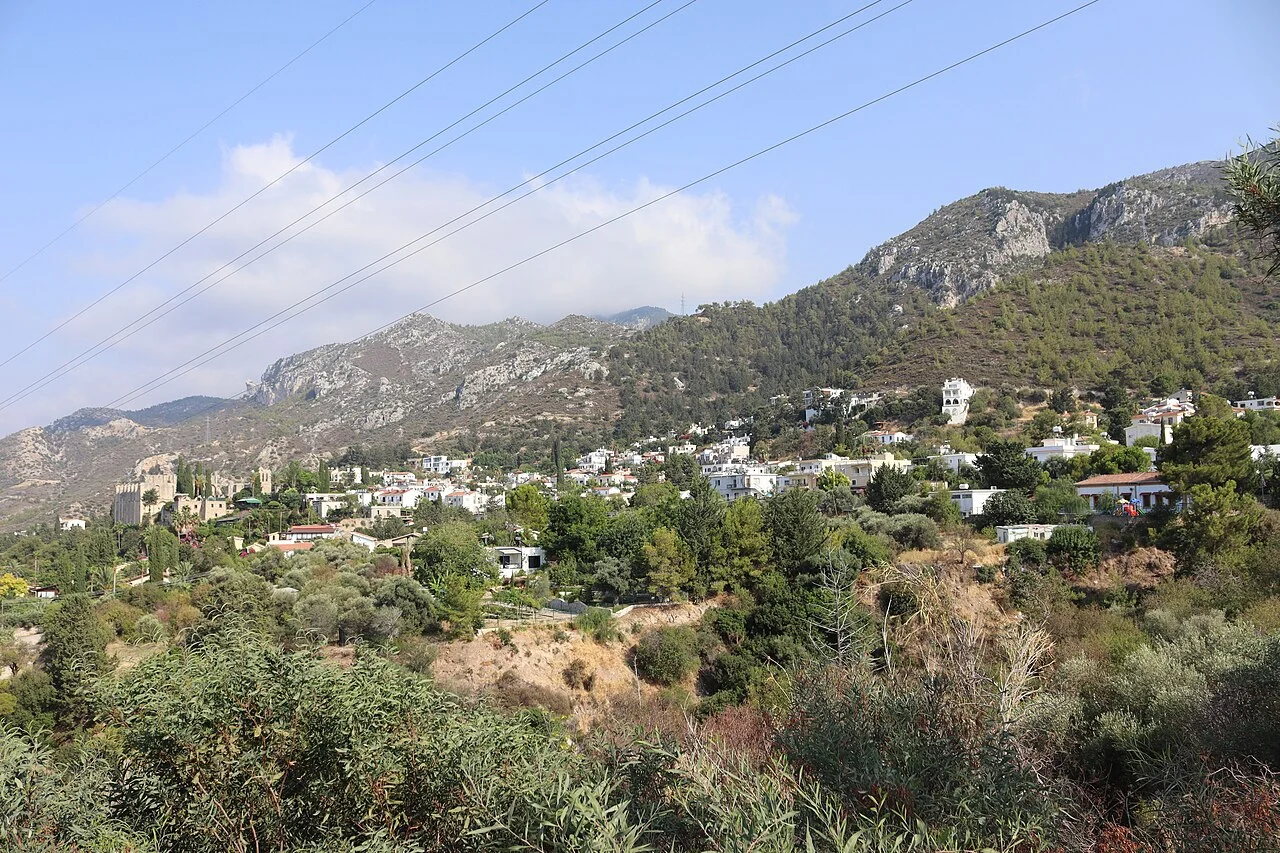
Visit North Cyprus introduces Kyrenia's harbour and surroundings such as Bellapais. A limited harbour section and a Bellapais addition require different time. If giving another day to a northern Cyprus break, write transport, meal and return separately. Do not assume two settings form one small visit because their images look close. Learn entry and movement through the relevant source for an interior castle visit. Assess how the actual accommodation address connects with the day's beginning. A night in another city also involves a new arrival section that should remain visible. The regional scope here is the northern part of the island; it makes no entry or crossing claim. Select the addition for what it provides, not merely to enlarge the list.

Hellimli or molohiya can join a local meal where offered. Learn actual ingredients and portion for products introduced by official sources. A small bread pause and seated meal do not have identical timing. Do not leave the main meal uncertain because you want to explore another setting. Remaining in Kyrenia and returning from the surroundings differs from staying elsewhere. Choose whichever fits your leave time. Adding one area does not commit you to completing the entire island. A limited harbour section and a separate surrounding day are options that should not count as interchangeable. Make clear which part is shared and which additional interest you intend to pursue.
Bristol: finish with a limited section fitting departure
Visit Bristol introduces Clifton and harbour surroundings. Choose whichever fits the actual connection on departure day. A bridge observation, extended surrounding walk and harbour day are not one identical small outing. Learn where luggage can remain and how you connect with departure. Actual food options at St Nicholas Market can inform the meal; the council source explains the market's use. Review transfers and current service before choosing. Finishing without a distant addition does not make the leave break incomplete. Across five examples, the shared need is to divide real available time into visible sections. Short arrival, full day, changing accommodation, surrounding visit and departure require different decisions. Making how the days pass clear gives a more understandable journey without promising more leave. The resulting plan can leave room for rest as well as the interest that brought you there.

