

Planning food spending abroad involves more than reading one number on a menu. How much you want to eat, whether you will sit down or take food away, your drink choice and the time of the next walk also affect the decision. The Tatilmerkezi Stork compares ways to make a clear meal choice through five European settings. Smørrebrød in Copenhagen, fika in Stockholm, a sweet pause in Bruges, buccellato in Lucca and a market meal in Riga answer different needs. This is not a cheapest-city ranking and contains no invented current prices. The purpose is to know what to compare in a real offer: portion, service format, inclusions and its place in your daily route. Distinguishing tasting from the main meal helps make the choice deliberate. Learning whether accommodation actually includes breakfast can also shape the next day. Two people visiting the same country may want different eating arrangements. Use the examples according to your appetite and travel rhythm rather than treating one product as a complete solution.
Copenhagen: assess the open sandwich as an actual meal
Visit Copenhagen introduces the smørrebrød tradition and food options in the city. Where offered, an open sandwich can be the focus of your lunch arrangement. Do not assume the product name alone tells you whether it provides enough food. Learn the actual portion, topping and number you are ordering before deciding. Asking whether a fish, meat or another ingredient suits you clarifies the choice. Table service and takeaway are different formats. Before comparing a lower-looking number in one place with a complete meal elsewhere, check whether you are choosing equivalent things. Consider the drink separately and form your own total through the menu currently offered. A familiar name can describe different sizes and combinations; it should be a beginning for a question rather than the end of the decision.
On a food-focused day around Torvehallerne or Christianshavn, establish a clear boundary between the meal and the beginning of the canal walk. Do not plan a meal you want to enjoy seated as an item to eat continuously while moving. Connections for other stops matter alongside access to the eating surroundings when choosing accommodation. If arriving early, resolve luggage storage and meal timing separately. Learn actual service instead of assuming every stall provides the same offer every day. The purpose is to build a sufficient meal, not complete a sandwich list. Noting what you enjoyed after the visit can make portion and ingredient choices easier next time. There is no need to measure the day by the number of food names you tried.
Stockholm: distinguish a fika pause from the main meal
Visit Stockholm introduces fika and kanelbulle culture. Coffee with a cinnamon bun can create a seated rest within a walk, but that break is not automatically lunch. Think about breakfast and what you want to eat later. You need not postpone a main meal simply because you wish to try one local product. Review the actual offer for product size, drink and seating arrangements. If two companions do not want the same thing, separate orders may fit better. Sitting together does not require sharing every item. Determine your own total through the current menu rather than assuming a photograph or an old example describes what is available now. Give the pause a purpose within your day and leave space for the meal you really want.


Combine a Gamla Stan walk with a fika pause and leave a longer Djurgården section for another time if that fits your day. Rather than splitting the entire programme into sweet stops, select a main-meal place and a return interval. If breakfast is included at your accommodation, learn its actual scope; the word included does not describe every morning need. Plan the area where you will spend the evening too, avoiding an unnecessary transfer only for a short pause. Trying a local product and relying on the same kind of food throughout the day are different decisions. In Stockholm, this planning approach begins by distinguishing the role of a pause from a main meal, not by looking for one supposedly cheap item that will answer everything.
Bruges: reserve a separate tasting choice for waffles and chocolate
Bruges' official food source introduces waffles and chocolate. A tasting pause can be a selected short section within a central walk. If you do not intend to count a sweet as the complete meal, arrange lunch separately. Distinguish the quantity of chocolate you will eat now from a product you want to carry away. A display image does not tell you current stock or the package you intend to choose. Learn the real product and serving format when ordering. Visiting several shops does not require buying the same item in all of them. Looking from outside, tasting and purchasing are separate activities. Include only the choices you actually make in your daily total rather than allowing a sightseeing list to become an automatic shopping list.


Connect the surroundings of Markt with a canal section through a meal. If continuing towards Minnewater, consider the return and where you will sit later. Choosing accommodation solely for proximity to sweet shops may not suit the whole journey: the arrival connection and movement on other days matter too. Learning a business's current offer and selecting the product you want gives a clearer result than reading an old photograph as today's menu. Giving sweets a limited place does not diminish local discovery. Separating the main meal from gift shopping instead helps you see what you bought and why. A successful food day can include a single satisfying taste rather than many repeated purchases along the same street.
Lucca: do not let buccellato replace the centre-day meal plan
Buccellato appears in Lucca's official food source. Where available, it can join a bakery pause. A small tasting does not resolve an entire day's food needs. Learn the quantity offered, whether the product is sold whole or by the slice, and how much you want. If you are considering preparing or storing food at your accommodation, ask about actual facilities beforehand. Without such arrangements, do not select more than you can carry or use merely because a large package looks convenient. Compare package and portion differences when assessing another offer. A small decision based on the current product is more useful than a historical price list. Takeaway purchases should fit what you will do afterwards, not only what looks appealing at the counter.
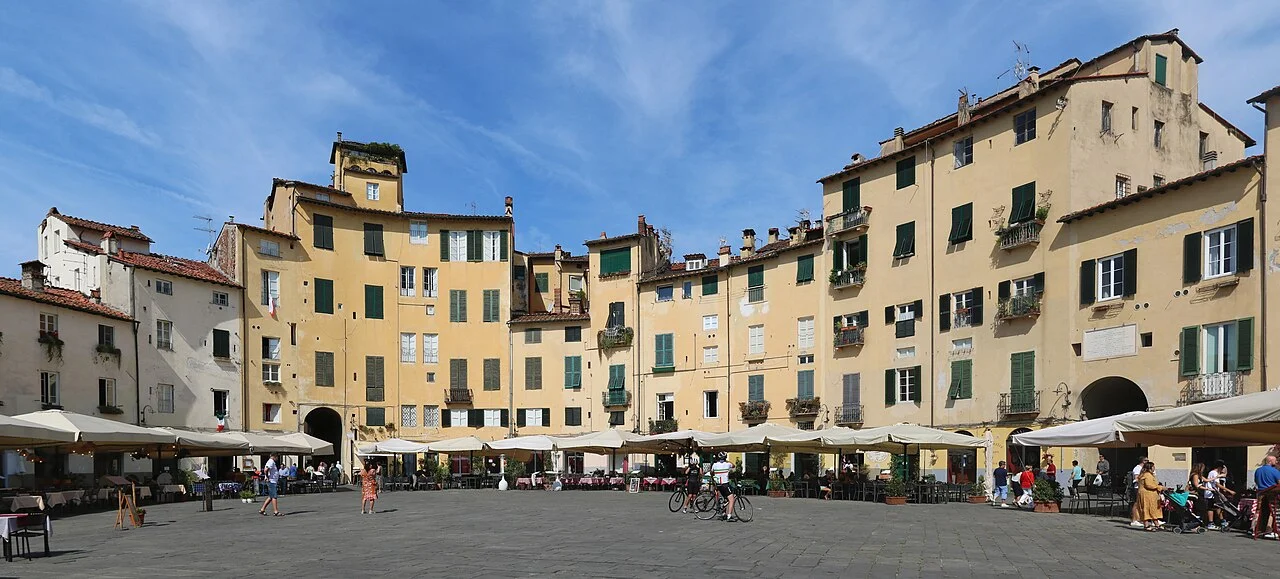

Connect a short central walk near San Michele with a main meal and consider outdoor time on the walls afterwards. An accommodation address within the walls can have particular arrival requirements; think about luggage and the first meal together. Before squeezing a bakery stop and a transfer to another Tuscan city into one programme, assess the actual transport need. Lucca's role in this comparison is to fit small tasting decisions into the route without leaving the main meal invisible. Enjoying a product does not mean wanting the same quantity every day. Select it according to the day's movement and return. A centre-based itinerary provides a useful opportunity to learn what portion fits your own needs rather than adopting someone else's appetite.
Riga: select the market product, portion and eating place together
The Riga Central Market source introduces products including rye bread and smoked fish. Where offered, these may join a market meal. Learn at the actual stall what is ready to eat and what is intended to be taken home. A product sold by weight and a single serving are not identical comparisons. Consider where you intend to eat and whether the ingredients suit you before ordering. A market walk need not require purchasing at every stop. Looking first and then choosing one meal is a valid arrangement. Without storage facilities at your accommodation, consider that limitation before buying more than you need. The shared idea across five examples is to separate a pause, a main meal and a product to carry away. Learn portion and service information from the actual menu or counter and select food fitting the daily route. Do not build the plan around an unsupported claim that a whole city is cheap.

