

Tatilmerkezi’s Stork invites you to read Havana through the shape of a meal. A food route can be more enjoyable than a list of dishes to complete: keep breakfast small, give your walk through the squares a generous lunch break, and choose another neighbourhood for dinner. That leaves room for both the city and the table. This guide focuses on choosing meals, pauses and a useful accommodation area across Old Havana, Centro Habana and Vedado, rather than counting museums or monuments. Its suggested sequence is a planning idea, not a claim to have personally visited or eaten at the places described.
The main meal: recognise a few local names
Ropa vieja, picadillo a la criolla and lechón asado provide three names to look for when considering a main meal. Choose one rather than trying to order every option at the same sitting. Ajiaco can offer another direction for a different day. Bringing a short vocabulary list helps you spend less time translating a menu and more time deciding what suits your appetite. Spread your choices across two lunches: one main dish on the first day and a different choice on the next. The Stork’s suggestion is to give your first lunch room to breathe. Sit down, decide which streets come next, and avoid stacking activities immediately after the meal. Preparation varies between establishments, so recognising a dish name does not promise an identical plate everywhere.
Congrí, yuca and tostones: leave room for the sides
Havana’s official gastronomy guide also lists congrí, yuca con mojo and tostones among local food choices. Read the accompaniments separately after selecting your main dish: understanding what is already included can prevent ordering the same thing twice. Two travellers might choose a main dish each and a different side for the table, creating a modest tasting plan without turning lunch into an oversized challenge. A solo visitor can begin with one main and one accompaniment. If a long walk follows lunch, there is little reason to compress the whole food list into that single meal. Thinking about appetite and walking pace together leaves space to encounter more dishes over several days, rather than trying to finish everything before the afternoon has begun.
Old Havana: connect a meal to the squares
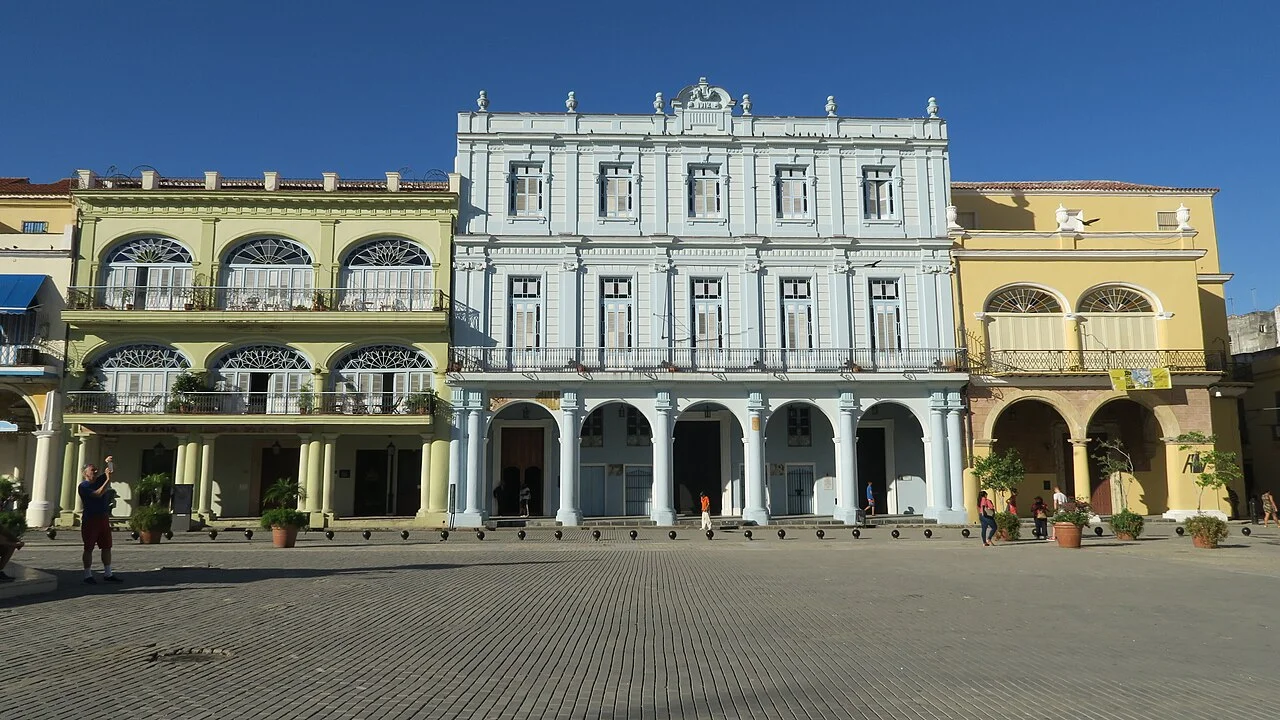
If your first day is based in Old Havana, keep lunch there too. Explore around Plaza Vieja, then sit down within the same area rather than crossing the city only to eat. Finish the morning walk at one square and continue along another street after lunch, making a small circuit instead of repeatedly retracing your steps. The official restaurant directory includes Café Taberna at Mercaderes and Teniente Rey as one address to research. A directory entry is a starting point rather than a promise of a reservation or today’s menu; complete that choice for your actual travel date. The square photograph shows the surroundings of a food walk. It does not depict a particular restaurant’s table, and it should not be treated as evidence of the food served there.

Granizado and coffee: two different pauses
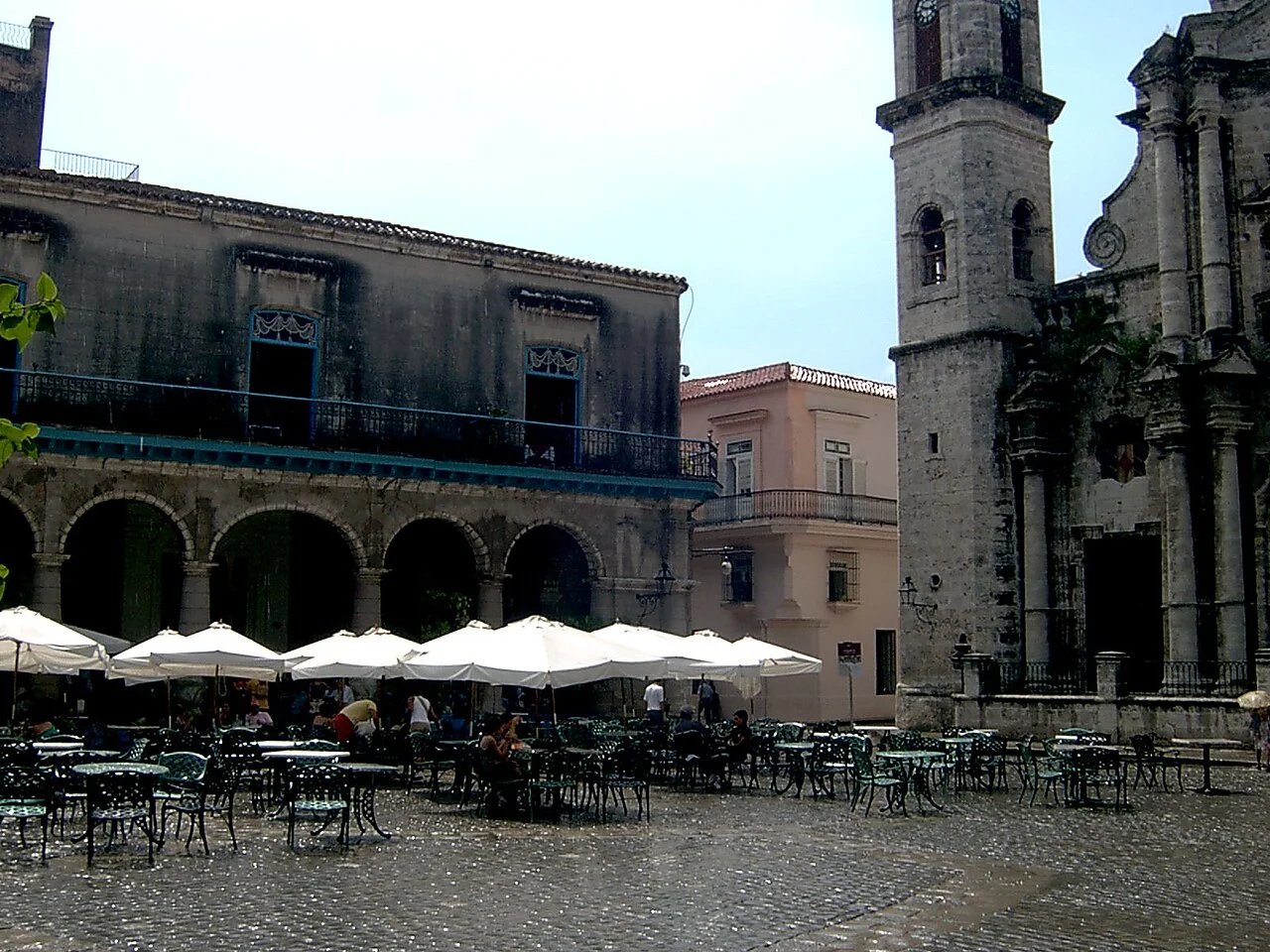
Granizado carts are the documented subject of the dated street photograph used in this guide. Read the colourful bottles as part of an older image of Havana’s street-drink culture, rather than evidence of one precise recipe. Coffee can form a separate pause. You do not need to combine the morning cup with the afternoon rest; placing a second stop midway through a long day gives the walk a gentler rhythm. A short seated break around the cathedral area can interrupt the squares route without creating a major detour. Instead of choosing a distant address only for a drink, consider a suitable stop in the area where you already are. That preserves the main benefit of a food route: balancing time spent at tables with time spent on the streets between them.

A sweet pause: a small street discovery
Havana’s food directory includes the name gaceñiga, while the national gastronomy page mentions sweet options such as buñuelos. Add those names to your curiosity list, then learn the actual name of the product you encounter. The source description for our confectionery photograph does not identify its type, so the caption does not assign it either of those names. A sweet pause does not have to follow directly after a substantial lunch. Giving it a separate place in a short afternoon walk on day two distributes your appetite and your activities more comfortably. Begin with a modest portion, return to something you enjoy on another day, and let the search unfold across several stops. This creates a more personal discovery than gathering every sweet option into one sitting.


Vedado and Malecón: keep your evening in one area
Spending the second evening around Vedado adds a different section of Havana to the first day’s Old Havana circuit. Choose the dinner area first, then connect a short waterfront walk to it. Malecón is a long seafront: a photograph should not make it look like a small street that must be walked from end to end. Set a starting point and a return point so the after-dinner section stays relaxed. If you choose an alcoholic drink, names such as mojito or daiquirí can enter your menu research; ordering one is not a condition of experiencing the city. Coffee or another non-alcoholic choice works within the same evening sequence. Rather than eating in one district and crossing into another solely for a drink, keep the two parts of dinner’s evening within a coherent area.


A two-day food and accommodation plan
Day one: a small breakfast in Old Havana, a walk between the squares, a local main meal and a brief coffee pause. Day two: a later lunch, a separate confectionery discovery, dinner in Vedado and a selected waterfront section. Staying in Old Havana shortens the first day’s walks; staying in Vedado makes the second evening’s return easier. Centro Habana offers another accommodation choice between these parts of the city, but the exact address matters more than the neighbourhood label. Decide how to travel by examining the route between your accommodation entrance and the restaurant, not simply by comparing district names. Build your food itinerary around a few well-spaced meals and Havana becomes more than a checklist: its streets and its tables have room to remain in the same memory.